


Likeable Badass: How Women Get the Success They Deserve
$12.99
$18.00
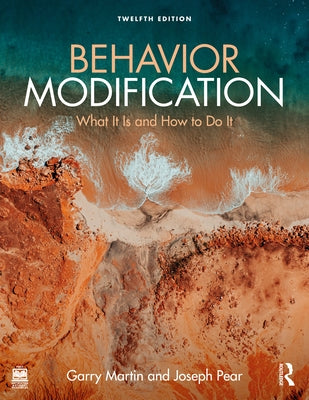
Behavior Modification: What It Is and How to Do It
$188.99
$190.00


Crystallizing Public Opinion
$9.99
$12.95

Child Psychopathology
$257.99


The Art of Is: Improvising as a Way of Life
$13.99
$18.95

Listen, Little Man!
$14.99
$16.00

Pseudoscience and the Paranormal
$16.99
$22.99




The Art of Rest: How to Find Respite in the Modern Age
$12.99
$18.00

Brain Power: Learn to Improve Your Thinking Skills
$16.99
$21.95


Liquid Love: On the Frailty of Human Bonds
$17.99
$19.95

Carl Jung: The Godfather of Shadow Work
$21.99
$24.95


The Elements of Choice: Why the Way We Decide Matters
$12.99
$18.00



The Loss of Common Sense in Modern America Culture
$12.99
$17.98

Face Value: The Hidden Ways Beauty Shapes Women's Lives
$12.99
$17.00


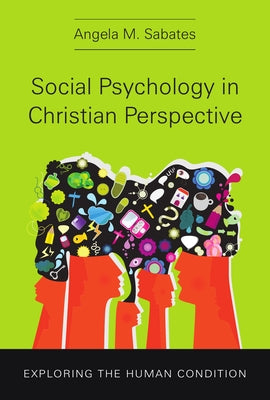


Job Therapy: Finding Work That Works for You
$21.99
$30.00


The Way of the Actor: A Path to Knowledge & Power
$18.99
$24.95


The Moral Psychology of Disgust
$53.99
$54.00


