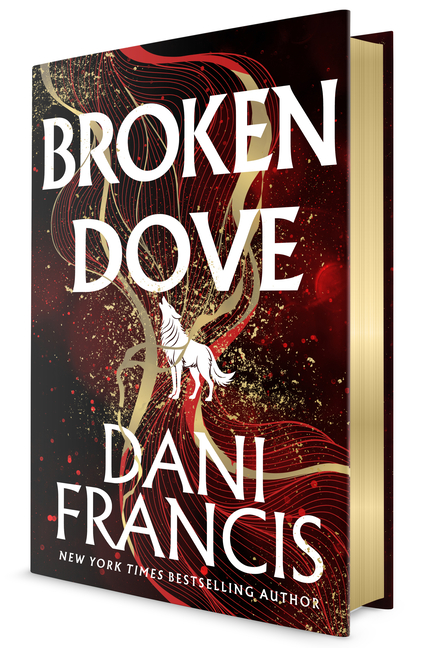
Step into the universe of sci-fi books, where imagination meets technology. Ready to travel across galaxies, face the unknown, and challenge ideas? Discover your next great read today.
Why Sci-Fi Books Inspire Readers
Science fiction books have always pushed the boundaries of creativity, blending scientific concepts with bold storytelling. They don’t just entertain — they make us question reality, ethics, and the future. Whether it’s the vastness of space, the dangers of artificial intelligence, or dystopian visions of tomorrow, sci-fi books provide stories that both thrill and provoke thought.
The main reasons sci-fi books remain popular include:
-
Imaginative worlds that expand our perspective.
-
A blend of futuristic technology and human emotion.
-
Endless subgenres to match every taste.
-
Insight into real-world science and philosophy.
Hard Sci-Fi
Hard science fiction focuses on accuracy and scientific realism, perfect for readers who enjoy technical detail.
Why hard sci-fi stands out:
-
Rooted in real physics and technology.
-
Complex plots for serious readers.
-
Raises ethical and scientific questions.
Cyberpunk Sci-Fi
Cyberpunk explores futuristic societies dominated by corporations, technology, and gritty urban environments.
Highlights:
-
Neon-lit cities and cybernetic humans.
-
Themes of rebellion and survival.
-
Dark but fascinating visions of the future.
Space Opera Sci-Fi
Space operas are epic, character-driven stories filled with galactic battles and star-spanning adventures.
What to expect:
Time Travel Sci-Fi
Time travel sci-fi explores paradoxes, alternate timelines, and the consequences of altering history.
Why readers love it:
-
Fascinating “what if” scenarios.
-
Emotional depth in changing destiny.
-
Endless possibilities of past and future.
A.I. & Robots Sci-Fi
Stories about artificial intelligence and robotics explore the relationship between humans and machines.
Highlights:
-
Themes of identity and consciousness.
-
Futuristic technologies and ethical dilemmas.
-
Robots as heroes, villains, or companions.
Dystopian Sci-Fi
Dystopian sci-fi imagines societies where freedom, equality, or survival are at stake.
What to expect:
-
Oppressive governments or systems.
-
Stories of rebellion and resilience.
-
Reflection of current societal fears.
Apocalyptic Sci-Fi
Apocalyptic sci-fi shows the end of civilization through disasters, invasions, or plagues.
Key features:
-
Survival against catastrophic odds.
-
Harsh, desolate environments.
-
Hope and resilience amid destruction.
Alien Contact Sci-Fi
Alien contact stories explore humanity’s first interaction with extraterrestrial life.
Why it’s fascinating:
-
Encounters with the unknown.
-
Themes of communication and coexistence.
-
Both peaceful and hostile possibilities.
Military Sci-Fi
Military sci-fi blends war, strategy, and futuristic weapons in large-scale conflicts.
Expect:
-
Intense action and tactical detail.
-
Strong camaraderie and leadership themes.
-
Perfect for fans of war stories.
Exploration Sci-Fi
Exploration sci-fi focuses on discovering new planets, galaxies, or dimensions.
Why readers enjoy it:
-
A sense of wonder and discovery.
-
Beautifully described alien landscapes.
-
Adventure with philosophical undertones.
Young Adult Sci-Fi
YA sci-fi features young protagonists exploring futuristic or dystopian settings.
Highlights:
-
Relatable characters and themes.
-
Accessible yet thought-provoking plots.
-
Stories of growth, love, and survival.
Sci-Fi Thriller
Sci-fi thrillers combine suspense with futuristic concepts, keeping readers on edge.
Expect:
-
Twists, danger, and relentless tension.
-
Conspiracies and high-tech mysteries.
-
Fast-paced, cinematic storytelling.
Sci-Fi Horror
This subgenre blends fear with futuristic or alien settings.
Why readers love it:
-
Terrifying alien creatures and hostile worlds.
-
Isolation in space or dystopian labs.
-
Fear of the unknown amplified by science.
Science Fiction Fantasy
Science fiction fantasy merges magic and futuristic technology, creating imaginative hybrids.
Highlights:
-
A blend of science and sorcery.
-
Mythical worlds with futuristic twists.
-
Perfect for fans of both genres.
Action & Adventure Sci-Fi
Action-driven sci-fi focuses on speed, battles, and epic missions.
Why it excites:
Sci-Fi Comics
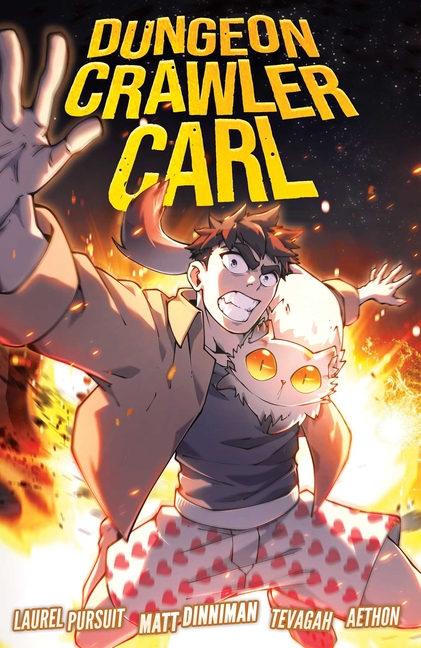
Sci-fi comics bring futuristic worlds to life with vivid visuals and dynamic art.
What to expect:
Romance Sci-Fi
Romantic science fiction blends love with futuristic or alien settings.
Highlights:
-
Relationships tested by technology or distance.
-
Emotional depth amid cosmic adventures.
-
A unique balance of passion and wonder.
Superheroes Sci-Fi
Superhero sci-fi novels and comics mix extraordinary powers with futuristic technology.
Why they’re popular:
-
Iconic characters and epic battles.
-
Themes of justice, identity, and hope.
-
Universes filled with limitless action.
How to Choose the Right Sci-Fi Book
With so many subgenres, the best choice depends on your mood:
-
For realism: hard sci-fi.
-
For epic stories: space operas.
-
For suspense: sci-fi thrillers.
-
For love stories: sci-fi romance.
-
For fear: sci-fi horror.
Summary
Sci-fi books continue to inspire readers by blending imagination and science. From the hard realism of hard sci-fi to the neon worlds of cyberpunk, the epic scope of space operas, or the eerie chills of sci-fi horror, the genre offers limitless possibilities. Whether you prefer YA adventures, time travel mysteries, alien contact tales, or futuristic romances, sci-fi books deliver thrilling journeys through space, time, and human imagination.
📚 Explore our full collection of sci-fi books today — and let your next intergalactic adventure begin!
FAQ
What makes sci-fi books different from fantasy?
Sci-fi focuses on technology, science, and future possibilities, while fantasy is based on magic, mythology, and the supernatural.
Which sci-fi subgenre is best for beginners?
Space operas, YA sci-fi, and dystopian sci-fi are accessible and engaging entry points.
Can sci-fi books be realistic?
Yes. Hard sci-fi uses real science and theories to build believable futures, while other subgenres lean on imagination.











![The Dispossessed [50th Anniversary Edition]](https://cdn.shopify.com/s/files/1/0831/4771/8930/files/img_a522cb1a-eea8-4da3-bbe9-01cae5c0e487.jpg?v=1738016041&width=100&crop=center)