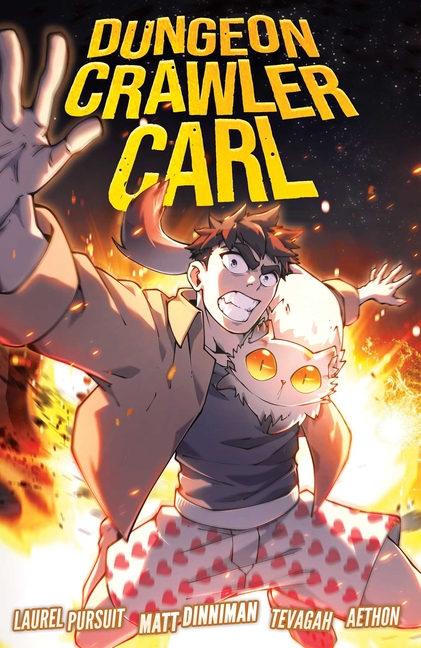
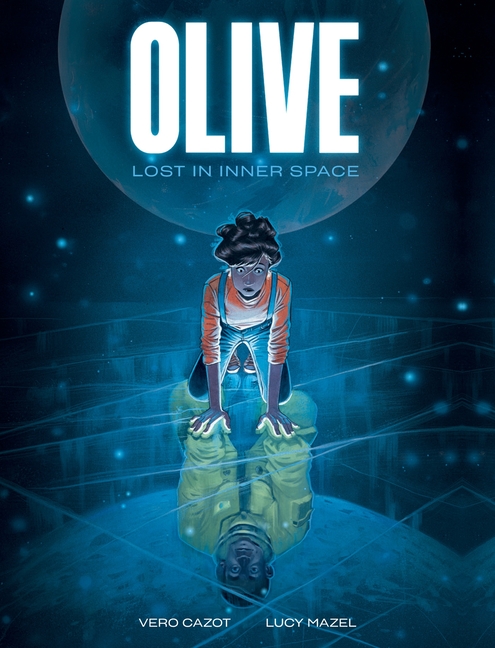
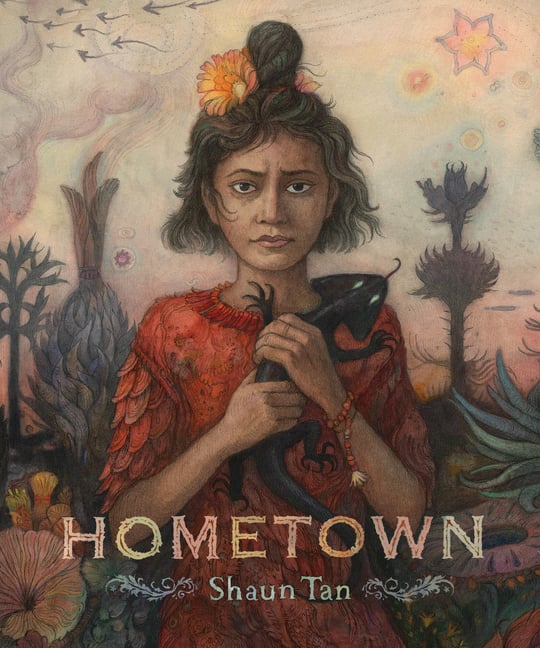
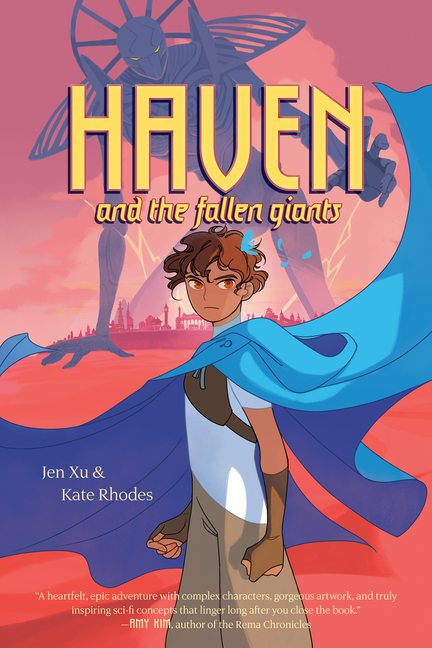
Ready to travel through galaxies, timelines, and hearts? Explore our hand-picked Sci-Fi Comics & Graphic Novels that mix fantasy, dystopia, horror, and romance — and start your next adventure today!
Why Sci-Fi Comics & Graphic Novels Matter
Science fiction comics don’t just predict the future — they build new realities. They fuse visual storytelling with speculative imagination, translating complex ideas into scenes you can see and feel. Whether you're decoding alien languages, fighting oppressive regimes, or falling in love across timelines, sci-fi graphic novels are both mirror and map: reflecting society’s fears while charting new hopes.
In a world of streaming and short attention spans, comics remain the most cinematic reading format — rich visuals, tight pacing, and emotional resonance. A single frame can say what pages of prose can’t.
Let’s dive into the dimensions of sci-fi storytelling — and find your next favorite universe.
Fantasy in Sci-Fi – Magic Meets the Machine
Fantasy and science fiction often collide in imaginative hybrids where magic feels like advanced tech — and tech becomes indistinguishable from magic. Worlds like these blend mythic structure with futuristic imagination.
Expect: enchanted planets, digital wizards, AI prophets, cosmic beasts, and ancient powers awakening in neon cities.
Why read: for wonder, visual lushness, and the feeling that anything is possible.
Top picks:
-
“Saga” by Brian K. Vaughan & Fiona Staples – A space-opera Romeo & Juliet with horns, wings, and intergalactic politics.
-
“Descender” by Jeff Lemire & Dustin Nguyen – A watercolor-painted journey through robots, empathy, and survival.
-
“The Incal” by Alejandro Jodorowsky & Moebius – The surreal, psychedelic core of modern sci-fantasy comics.
Expect: enchanted planets, digital wizards, AI prophets, cosmic beasts, and ancient powers awakening in neon cities.
Why read: for wonder, visual lushness, and the feeling that anything is possible.
Horror in the Future – Fear Beyond Flesh
In sci-fi horror, the monsters are rarely just creatures — they’re our own creations. Artificial intelligence, genetic modification, and cosmic isolation become the perfect breeding ground for dread.
Expect: eerie silence of space, mutation nightmares, androids with empathy glitches, and psychological survival.
Why read: cathartic tension, haunting visuals, existential fear.
Top picks:
-
“Aliens: Dead Orbit” by James Stokoe – Meticulously drawn claustrophobic terror in orbit.
-
“The Nice House on the Lake” by James Tynion IV – Apocalypse meets morality play — dread in paradise.
-
“Nameless” by Grant Morrison – Cosmic horror that fuses myth and astrophysics.
Dystopian Realities – Broken Futures, Human Hope
Dystopian sci-fi comics warn, question, and awaken. Through visual metaphor, they dramatize inequality, censorship, and the erosion of truth — making politics visceral.
Expect: bleak megacities, rebels in respirators, holographic propaganda, and sparks of rebellion.
Why read: to reflect on today’s systems — and imagine how to fix them.
Top picks:
-
“V for Vendetta” by Alan Moore & David Lloyd – Anarchism, masks, and memory under total surveillance.
-
“Transmetropolitan” by Warren Ellis & Darick Robertson – Cyberpunk journalism meets moral chaos.
-
“Snowpiercer” by Jacques Lob & Jean-Marc Rochette – Humanity’s last train endlessly circles a frozen world.
YA Sci-Fi – Emotion, Energy, and Identity
Young Adult science fiction comics combine coming-of-age emotion with futuristic settings. They tackle belonging, rebellion, and identity through stories that feel immediate and heartfelt.
Expect: teen heroes on alien planets, found families, first loves under alien suns, and destiny rewritten.
Why read: for empathy, hope, and style — with clean art and accessible voice.
Top picks:
-
“Paper Girls” by Brian K. Vaughan & Cliff Chiang – 1980s teens time-travel through chaos and parallel selves.
-
“Space Boy” by Stephen McCranie – Soft sci-fi meets slice-of-life tenderness.
-
“Nimona” by ND Stevenson – Shapeshifting rebellion in a futuristic medieval world.
Romance in the Stars – Love Across Light-Years
Even in intergalactic chaos, love finds its frequency. Sci-fi romance comics prove that emotional gravity defies physics — exploring how affection, loss, and longing transcend planets and timelines.
Expect: telepathic soulmates, alien empathy, forbidden bonds, and heartbreak under twin moons.
Why read: emotional catharsis and aesthetic beauty — these are the “soft sci-fi” stories that linger.
Top picks:
-
“On a Sunbeam” by Tillie Walden – Queer love, architecture in space, and breathtaking visual poetry.
-
“Heartbeat” by Maria Llovet – Gothic and futuristic, sensual and surreal.
-
“The Infinite Loop” by Pierrick Colinet & Elsa Charretier – Time-traveling love story that fights systemic prejudice.
Time Travel – The Ultimate Comic Playground
No medium handles paradoxes and loops as gracefully as comics. With frames that literally bend time, graphic storytelling turns chronology into choreography.
Expect: loops, alternate selves, historical rewrites, and destiny-defying missions.
Why read: complex structure made clear through art; mind-bending made emotional.
Top picks:
-
“Chrononauts” by Mark Millar & Sean Murphy – High-speed time-hopping adventure with cinematic flair.
-
“Daytripper” by Fábio Moon & Gabriel Bá – Poetic exploration of life’s alternate paths.
-
“The Manhattan Projects” by Jonathan Hickman – History gone quantum — darkly funny, wildly smart.
Formats & Reading Experience
Sci-Fi graphic novels come alive in every format:
-
Print editions for rich art and bookshelf presence.
-
Digital/ComiXology for zoomable detail and late-night scrolling.
-
Omnibus hardcovers for collectors who want entire arcs unified.
-
Webtoons & digital exclusives for serialized binge-reading.
Tip: Pair your read with ambient synthwave or lo-fi playlists for total immersion.
How Sci-Fi Comics Expand the Imagination
Beyond entertainment, science fiction comics train your imagination. They improve design thinking, empathy for “the other,” and even awareness of technology’s moral trade-offs. Visual metaphor turns abstract ethics — cloning, AI rights, memory editing — into relatable stories.
They remind us: what we build tomorrow depends on what we imagine today.
Summary
From fantasy-infused sagas and haunting techno-horrors to YA rebellions, forbidden cosmic romances, and chronological paradoxes, Sci-Fi Comics & Graphic Novels deliver thrill, thought, and tenderness in equal measure.
Whether you crave escapism, adrenaline, or emotion, there’s a universe waiting for you — drawn in vivid panels and inked with imagination.
Ready to explore?
Browse our Sci-Fi Comics collection today — and take your imagination light-years ahead.
FAQ
What’s the difference between sci-fi and fantasy comics?
Sci-fi explores speculative futures and technology grounded in logic, while fantasy relies on magic and myth — but modern creators often blend both to build deeper worlds.
Are sci-fi graphic novels suitable for young readers?
Yes! Many titles like Space Boy or Paper Girls are YA-friendly. Always check age ratings — themes range from gentle adventure to mature dystopia.
Where should I start if I’m new to sci-fi comics?
Begin with Saga for emotional depth, Descender for accessible futurism, or On a Sunbeam for quiet beauty. Each offers an unforgettable first step into the cosmos.