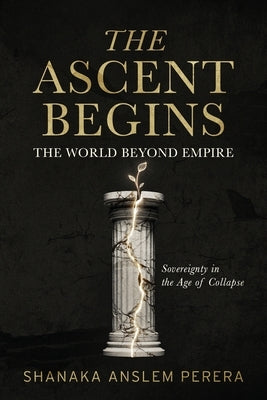
The Sword and the Neck: Reading the al-Aqsa Flood
$13.99
$15.00


Leviathan
$11.99
$15.99
Collected Works of Josef Stalin: Volume 1
$20.99
$22.00

The Myth of the 20th Century
$25.99
$30.00

Necropolitics
$26.99

Eurocentrism
$18.99


The Book of Sleep
$12.99
$17.00

America's Racial Karma: An Invitation to Heal
$9.99
$12.95

Law, Legislation, and Liberty, Volume 19: Volume 19
$37.99
$38.00

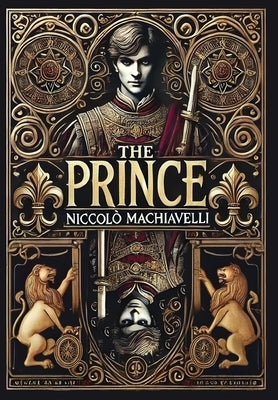
The Prince: Second Edition
$11.99
$12.00

The Uprising: On Poetry and Finance
$10.99
$14.95

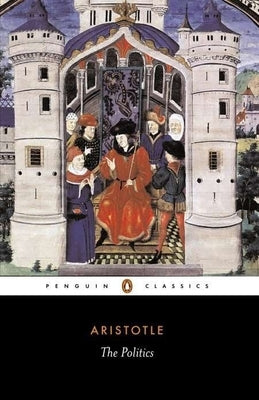
The Politics
$10.99
$14.00

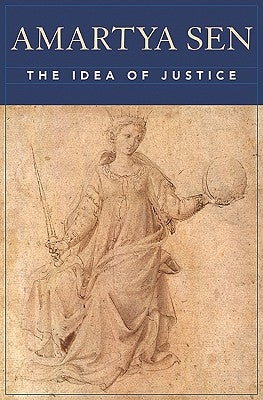
The Idea of Justice
$32.99

On Liberty, Utilitarianism and Other Essays
$9.99
$12.95


The Poulantzas Reader: Marxism, Law and the State
$33.99
$44.95

Western Civilization Bites Back
$32.99
$35.00

The Revolt Eclipses Whatever the World Has to Offer
$12.99
$16.95

Situationist International Anthology
$21.99
$29.95

Undoing the Demos: Neoliberalism's Stealth Revolution
$16.99
$22.95
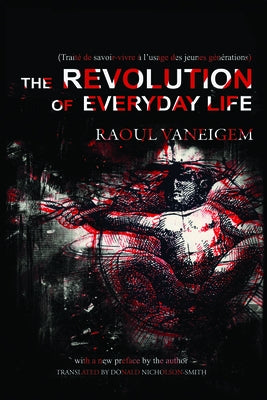
Revolution of Everyday Life
$15.99
$22.00


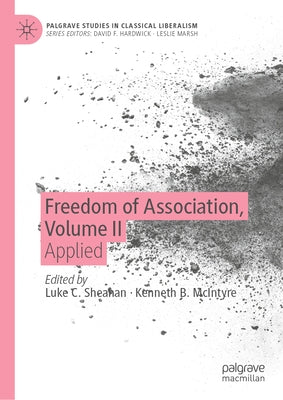
Freedom of Association, Volume II: Applied
$158.99
$159.99
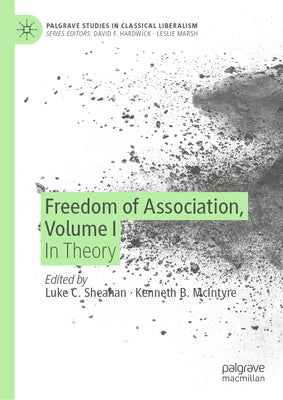
Freedom of Association, Volume I: In Theory
$158.99
$159.99


What Is Power?
$14.99
$16.95
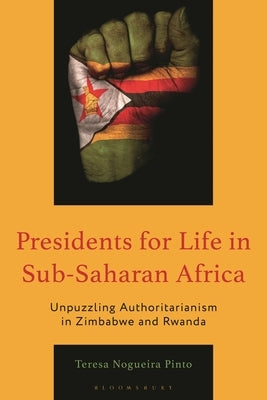
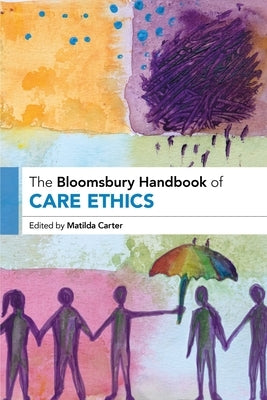


Gandhi on Non-Violence
$10.99
$14.95

Worse Than Nothing: The Dangerous Fallacy of Originalism
$14.99
$20.00
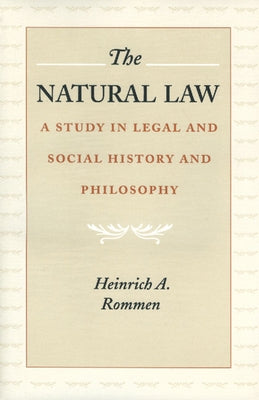

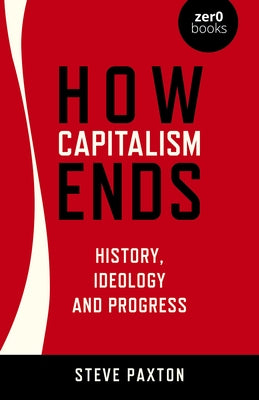
How Capitalism Ends: History, Ideology and Progress
$15.99
$21.95