Authority. Justice. System design.
Political philosophy explores how power is gained, exercised, justified, and restrained.
Political Philosophy Books provide structured insight into theories of power, critiques of corruption, socialist thought, revolutionary ideology, and systemic reform. Whether you're examining strategic influence, analyzing constitutional design, studying historical political figures, or exploring critiques of capitalism and climate policy, these books offer frameworks for critical thought and civic reflection.
Explore our Political Philosophy Books collection and engage deeply with the ideas shaping political systems.

Why Political Philosophy Matters
Targeted political philosophy resources help readers:
-
Analyze structures of power
-
Evaluate competing ideologies
-
Understand constitutional design
-
Critically examine economic systems
-
Explore the ethical foundations of governance
Political philosophy invites debate, analysis, and rigorous reasoning.
Strategy, Power & Influence
Power dynamics influence politics, business, and social systems alike.
Strategy-focused books emphasize:
-
Psychological influence
-
Leadership positioning
-
Tactical awareness
-
Social leverage
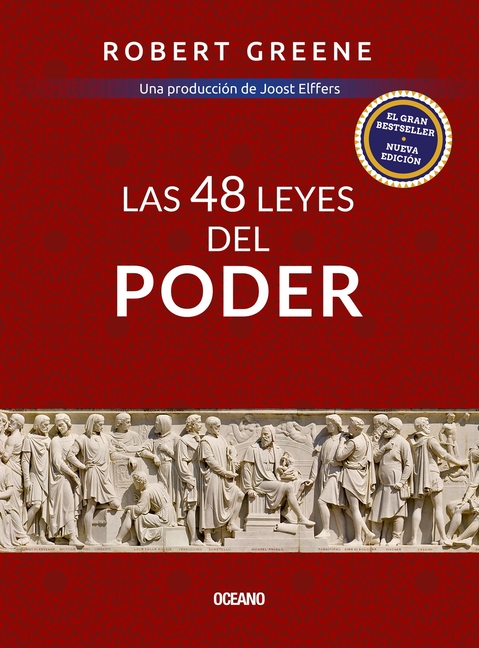
The 48 Laws of Power examines historical examples of influence and authority, distilling them into strategic principles often discussed in political and organizational contexts.
Critical reading encourages ethical reflection alongside strategic insight.
Contemporary Conflict & Ideological Analysis
Political philosophy also engages with current geopolitical events and interpretations.
Books in this area emphasize:
The Sword and the Neck: Reading the al-Aqsa Flood explores contemporary conflict through a specific ideological lens, contributing to broader debates on political interpretation and power.
Readers benefit from engaging multiple perspectives when analyzing modern events.

Historical Revolutionary Thought
Studying historical political figures provides insight into 20th-century ideological movements.
Works in this category highlight:
-
Revolutionary leadership
-
Party doctrine development
-
Early socialist state-building
-
Political rhetoric and theory
Collected Works of Josef Stalin: Volume 1 compiles early writings attributed to Stalin, often examined in academic contexts to understand the development of Soviet political ideology.
Such texts are typically studied critically for historical analysis rather than endorsement.
Constitutional Reform & Anti-Corruption Theory
Modern political philosophy frequently addresses systemic reform.
Reform-focused books emphasize:
Systemic Corruption: Constitutional Ideas for an Anti-Oligarchic Republic explores structural solutions aimed at reducing concentrated power and political corruption.
Institutional design shapes political outcomes.
Capitalism, Socialism & Systemic Futures
Debates about capitalism, climate, automation, and war remain central to political philosophy.
System-critique books highlight:
-
Economic sustainability
-
Automation’s impact on labor
-
Climate policy implications
-
Competing systemic futures
Socialism or Extinction: Climate, Automation and War in the Final Capitalist Breakdown presents a critical examination of contemporary capitalism and explores alternative systemic frameworks.
Engaging with competing economic visions strengthens analytical depth.

Political Philosophy as Critical Inquiry
Political Philosophy Books support:
Healthy political discourse depends on rigorous, critical engagement.
Featured Political Philosophy Books
The 48 Laws of Power
A strategic examination of influence and authority.
The Sword and the Neck: Reading the al-Aqsa Flood
A contemporary analysis of political conflict and interpretation.
Collected Works of Josef Stalin: Volume 1
Historical writings studied for insight into early Soviet ideology.
Systemic Corruption: Constitutional Ideas for an Anti-Oligarchic Republic
A reform-oriented exploration of institutional redesign.
Socialism or Extinction: Climate, Automation and War in the Final Capitalist Breakdown
A critique of modern capitalism and a discussion of alternative futures.

How to Choose the Right Political Philosophy Book
Let your intellectual focus guide your selection:
-
Power and influence: strategic authority frameworks
-
Contemporary conflict: ideological analysis texts
-
Historical ideology: primary political writings
-
Institutional reform: constitutional and anti-corruption theory
-
System critique: capitalism versus socialism debates
Political philosophy thrives on balanced reading and critical examination.
Summary
Political Philosophy Books explore the foundations of power and governance.
-
Focused on ideology and institutional design
-
Grounded in historical and contemporary analysis
-
Designed to encourage critical thinking
From strategic power theory and constitutional reform to revolutionary writings and systemic critiques of capitalism, these books provide structured perspectives on how societies organize authority, distribute power, and imagine alternative futures.
Explore Political Philosophy Books and engage thoughtfully with the ideas shaping political life.
FAQs
What topics are included in political philosophy books?
They cover power theory, ideological debate, constitutional reform, socialism, capitalism, and historical political writings.
Are controversial historical texts included?
Yes. Some works are studied for historical and analytical purposes within academic contexts.
Do these books promote a specific ideology?
They present varied perspectives and are best approached with critical analysis.
Why study opposing political systems?
Comparative understanding strengthens informed civic engagement.
Can political philosophy books replace academic study?
They provide structured insight but may complement formal education or scholarly research.