Sale 10% Off Your First Order

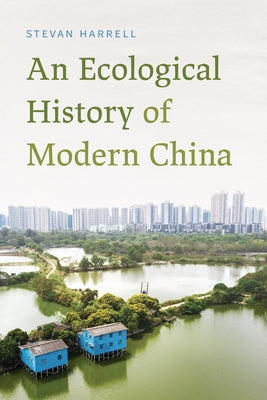
This comprehensive academic work examines China's environmental transformation from the founding of the People's Republic through the lens of ecosystem science and biophysical change. Written by Stevan Harrell, professor emeritus of anthropology and environmental and forest sciences at the University of Washington, this book provides critical analysis of how rapid economic development has affected China's natural systems.
The book addresses fundamental questions about the relationship between economic development and environmental degradation. Through detailed case studies and decades of research, it explores whether ecosystem restoration is achievable once government officials and the public commit to environmental protection. The analysis focuses on specific development projects including mega-dams, industrial agriculture expansion, and urban growth patterns.
Central to this work is the concept of ecosystem resilience—the ability of natural systems to withstand disturbances and continue functioning under pressure from additional growth. The book documents how agricultural intensification, industrial expansion, and urbanization have tested the limits of China's ecosystems, providing concrete examples of both degradation and recovery efforts.
Drawing on extensive field research, Harrell demonstrates how China's economic rise has created environmental impacts that extend beyond national borders. The book untangles the paradoxes inherent in development: the tension between economic prosperity and environmental sustainability, the challenge of balancing growth with ecological preservation, and the question of whether sustainable development is achievable at China's scale and pace.
Written in clear, accessible prose, this environmental history serves as a critical resource for students, scholars, and general readers interested in environmental change, Chinese history, and sustainable development. The book synthesizes complex ecological concepts with historical analysis, making it valuable for courses in Asian studies, environmental policy, development studies, and ecological sciences.
Stevan Harrell brings interdisciplinary expertise to this analysis, combining anthropological methods with environmental science. His previous works include Ways of Being Ethnic in Southwest China, demonstrating his deep engagement with Chinese society and culture. This background enables nuanced examination of how human societies interact with and transform their environments.
How mega-dams, industrial agriculture, and other developments challenge ecosystem resilience
Is environmental degradation an inevitable result of economic development? Can ecosystems be restored once government officials and the public are committed to doing so? These questions are at the heart of An Ecological History of Modern China, a comprehensive account of China's transformation since the founding of the People's Republic from the perspective not of the economy but of the biophysical world. Examples throughout illustrate how agricultural, industrial, and urban development have affected the resilience of China's ecosystems--their ability to withstand disturbances and additional growth--and what this means for the country's future.
Drawing on decades of research, Stevan Harrell demonstrates the local and global impacts of China's miraculous rise. In clear and accessible prose, An Ecological History of Modern China untangles the paradoxes of development and questions the possibility of a future that is both prosperous and sustainable. It is a critical resource for students, scholars, and general readers interested in environmental change, Chinese history, and sustainable development.
Stevan Harrell is professor emeritus of anthropology and environmental and forest sciences at the University of Washington. His many books include Ways of Being Ethnic in Southwest China.