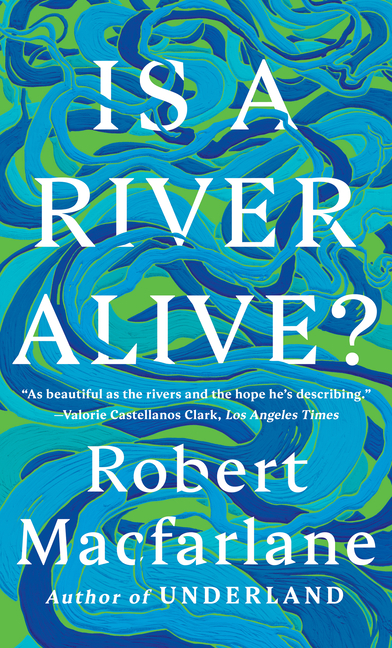
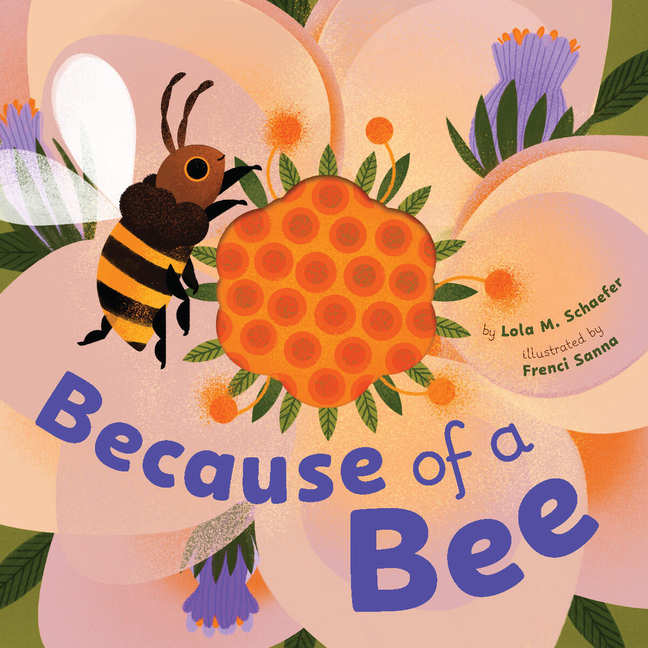
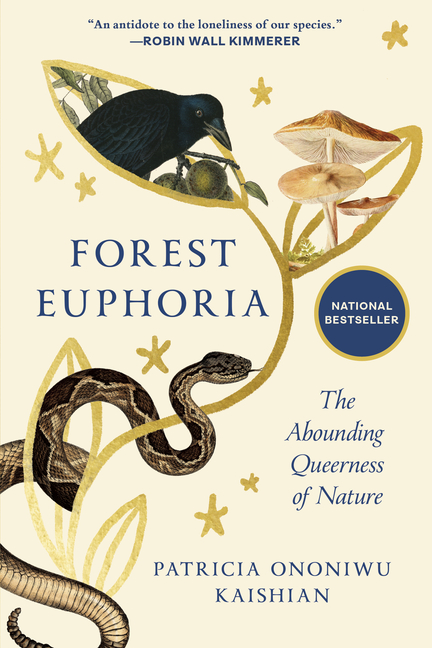
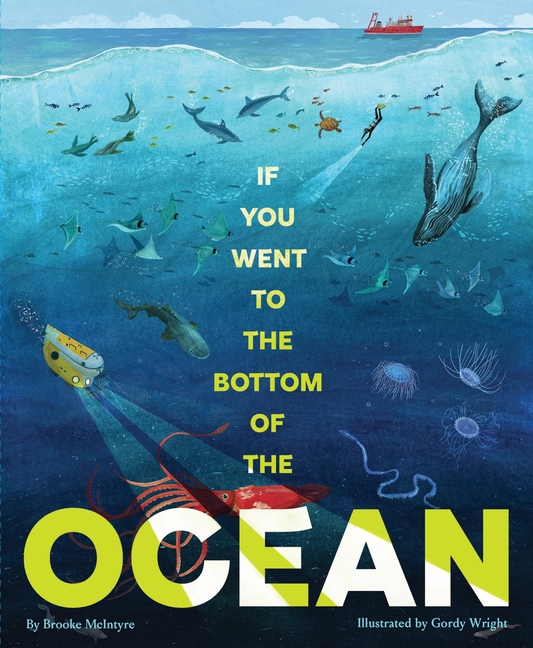
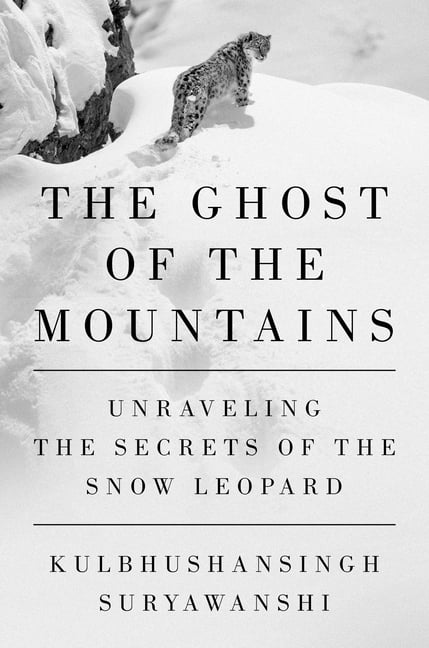
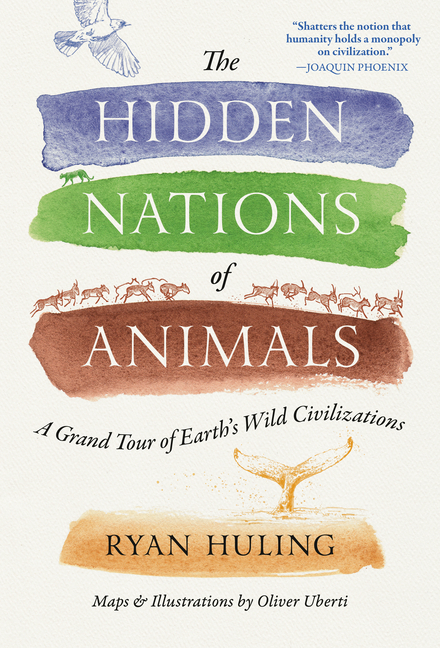
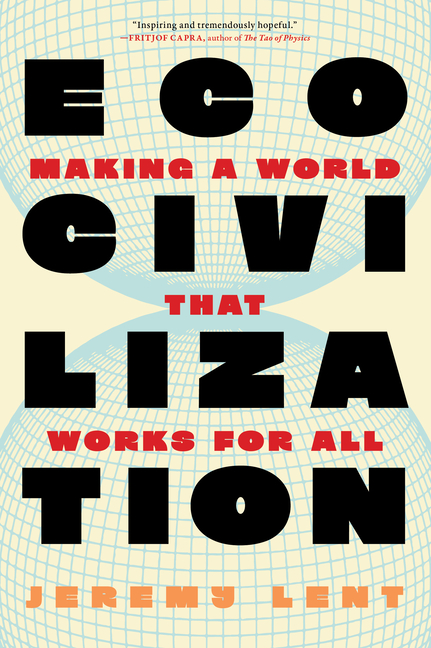
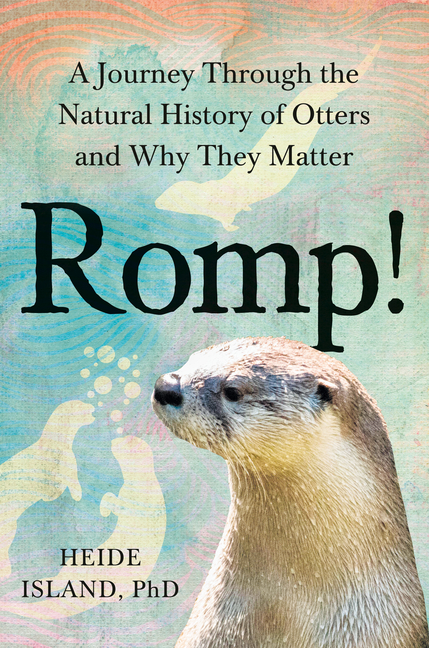
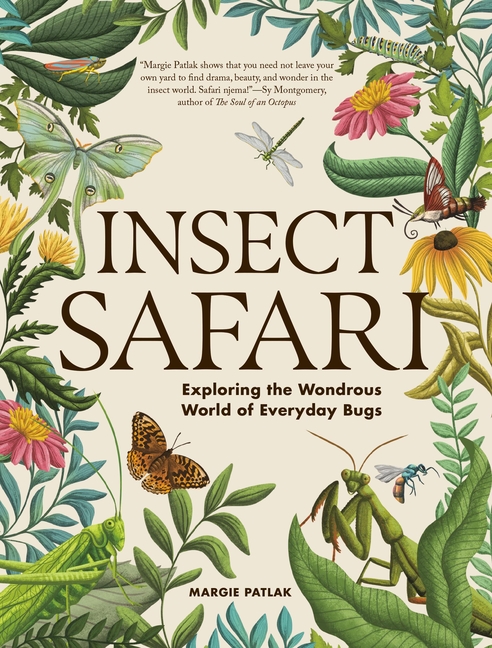
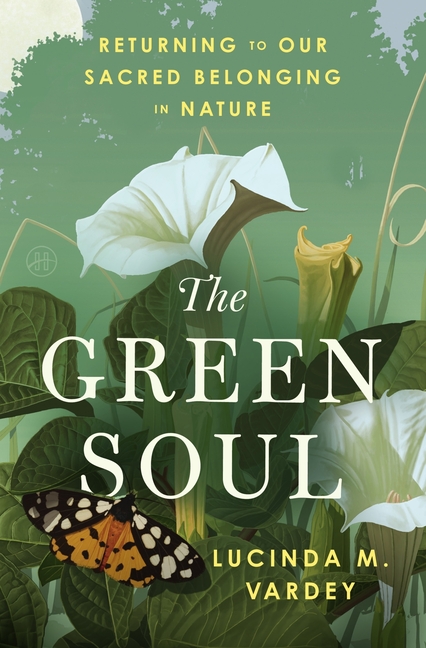
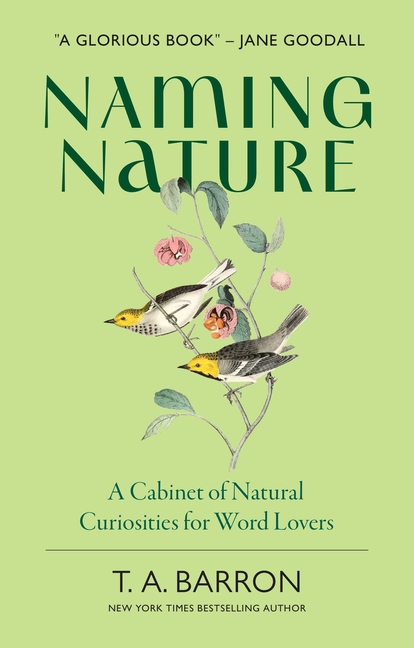
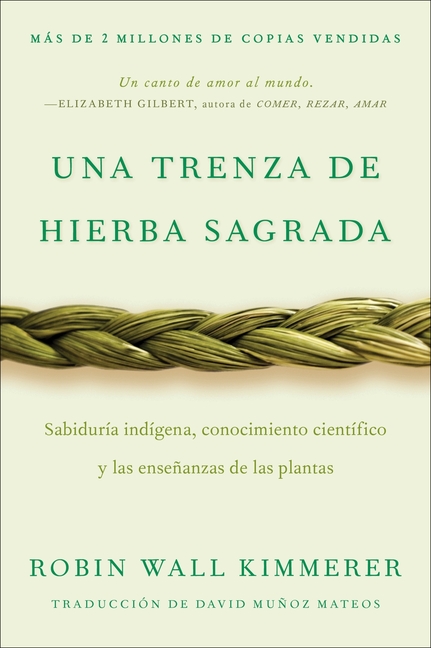
Ecology books explore the relationships between organisms and their environments — from individual species to entire ecosystems. Rather than studying plants or animals in isolation, this category examines how living systems interact with climate, geography, and one another. If you're interested in biodiversity, conservation, climate change, or environmental science, discover our Ecology Books collection and explore expert works that reveal the interconnected web of life on Earth.
Ecology connects biology, environmental science, and climate research to explain how ecosystems function and adapt. It studies patterns of population growth, energy flow, and environmental balance across forests, oceans, grasslands, and urban environments.
Life is interconnected at every level.

Why Readers Turn to Ecology Books
Readers choose ecology books to better understand environmental systems and sustainability challenges. Common interests include:
-
Ecosystem dynamics and biodiversity
-
Climate change and habitat shifts
-
Population ecology and species interaction
-
Conservation biology
-
Human impact on natural systems
These books combine scientific research with practical environmental insight.
What Defines Ecology
Ecology is typically organized across multiple levels of biological organization:
-
Organismal Ecology
How individual species adapt to environmental conditions
-
Population Ecology
Growth, competition, and survival within species
-
Community Ecology
Interactions between species in shared environments
-
Ecosystem Ecology
Energy flow, nutrient cycles, and environmental systems
Together, these levels provide a comprehensive understanding of life-environment interactions.
Key Themes in Ecology Books
This collection may include works exploring themes such as:
-
Food Webs and Energy Flow
How energy moves through ecosystems
-
Biodiversity and Species Richness
The importance of genetic and ecological diversity
-
Climate and Habitat Change
Environmental shifts affecting ecosystems
-
Conservation and Restoration
Protecting and rebuilding natural habitats
-
Sustainability and Human Impact
Resource use, pollution, and ecological footprint
These themes highlight ecology’s relevance to global environmental issues.

Ecosystems and Biodiversity
A central focus of ecology books is understanding ecosystem structure and diversity. Topics often include:
-
Forest, marine, and freshwater ecosystems
-
Keystone species and ecological balance
-
Invasive species and habitat disruption
-
Species migration and adaptation
-
Biodiversity hotspots
Ecosystem stability depends on complex biological relationships.
Climate Change and Environmental Stress
Modern ecology books frequently address climate-driven challenges. Common topics include:
-
Global warming and shifting habitats
-
Ocean acidification
-
Deforestation and land-use change
-
Species extinction risks
-
Carbon cycles and ecosystem resilience
Ecology provides the scientific foundation for climate action and conservation policy.
Human Ecology and Sustainability
Ecology also examines how human systems interact with natural environments. Books in this area explore:
Understanding ecological limits is essential for long-term sustainability.

5 Popular Ecology Books
If you’re looking for influential and widely read titles in ecology, these books are frequently recommended:
These titles range from classic environmental works to scientific textbooks.
How to Choose the Right Ecology Book
The right ecology book depends on your focus and background. Consider whether you’re seeking:
-
Introductory environmental science texts
-
Conservation and climate-focused works
-
Academic ecology textbooks
-
Field guides and ecosystem studies
-
Policy and sustainability analysis
Selecting based on specialization and depth will guide your reading choice.
Reading Ecology Thoughtfully
Ecology books encourage systems thinking and long-term perspective. Many readers benefit from:
-
Connecting ecological principles to local environments
-
Comparing case studies across ecosystems
-
Reviewing data on biodiversity and climate
-
Reflecting on sustainability practices
-
Considering ethical dimensions of conservation
Ecology broadens understanding of how life persists and adapts.
Summary
Ecology books explore the relationships between organisms and their environments.
-
Study of ecosystems, biodiversity, and population dynamics
-
Examination of climate change and environmental stress
-
Insight into conservation and sustainability
-
Analysis of human impact on natural systems
If you want to understand how living systems interact and how environmental balance can be maintained, discover our Ecology Books collection and explore works that illuminate the science of interconnected life.

FAQs
What is ecology?
Ecology is the scientific study of how organisms interact with each other and their environment.
Are ecology books only for scientists?
No. Many ecology books are accessible to general readers and focus on conservation and environmental awareness.
Do ecology books cover climate change?
Yes. Climate change is a major topic in modern ecological research and literature.
What’s the difference between ecology and environmental science?
Ecology focuses specifically on biological interactions, while environmental science includes broader physical, chemical, and policy-related aspects.
Why is ecology important?
Ecology helps us understand biodiversity, ecosystem stability, and how to manage natural resources sustainably for future generations.