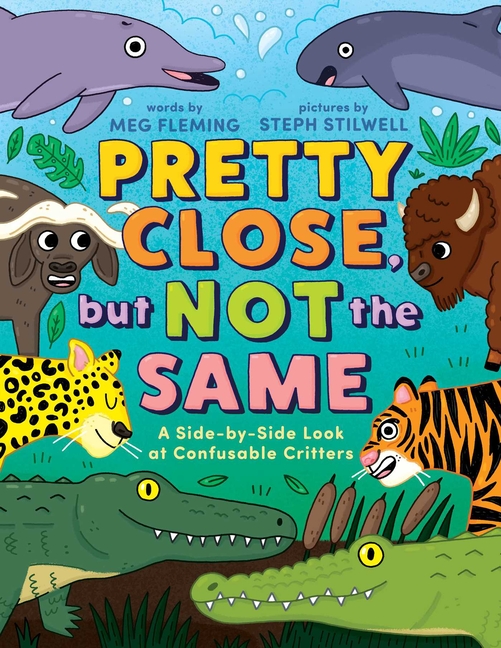
Explore our Life Sciences Books collection and deepen your understanding of the biological systems that sustain life on Earth. This comprehensive category brings together authoritative resources in biology, zoology, botany, genetics & genomics, ecology, and anatomy & physiology — offering structured insight into living organisms, evolutionary processes, and the complex interactions that shape ecosystems and human health. Whether you're studying formally or expanding your scientific knowledge, this collection provides research-driven, clearly organized material designed for academic and professional growth.
From cellular mechanisms to ecosystem dynamics, these books emphasize scientific rigor, empirical research, and practical application.

Why Readers Choose Life Sciences Books
The life sciences are foundational to medicine, environmental science, biotechnology, and research innovation. Readers turn to this category to:
-
Build strong foundations in biological principles
-
Understand animal and plant diversity
-
Explore genetic inheritance and molecular biology
-
Study ecological systems and environmental sustainability
-
Learn human anatomy and physiological processes
-
Support academic coursework or scientific careers
These books combine theory, laboratory insight, and applied research to support structured learning.

What Defines This Collection
The Life Sciences Books collection integrates six essential biological disciplines:
Covers cellular biology, molecular biology, evolution, and foundational life science principles that underpin all related fields.
Examines animal classification, behavior, physiology, and evolutionary development across diverse species.
Focuses on plant biology, plant physiology, taxonomy, and the ecological importance of plant systems.
Explores DNA structure, gene expression, heredity, biotechnology, and genome research, including advances in molecular genetics.
Analyzes interactions between organisms and their environments, biodiversity, conservation, and ecosystem stability.
Studies the structure and function of the human body, including organ systems, cellular processes, and physiological regulation.
Together, these disciplines provide a comprehensive framework for understanding life at molecular, organismal, and ecological levels.

Key Themes You’ll Discover
-
Cellular structure and biochemical processes
-
Evolutionary theory and natural selection
-
Animal and plant system classification
-
Genetic inheritance and genome sequencing
-
Biodiversity and environmental conservation
-
Human body systems and physiological regulation
-
Biotechnology and scientific innovation
These themes support readers seeking structured scientific knowledge grounded in empirical research and biological methodology.
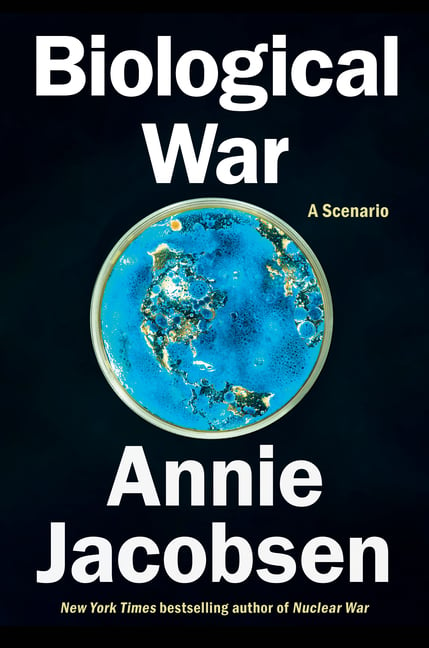
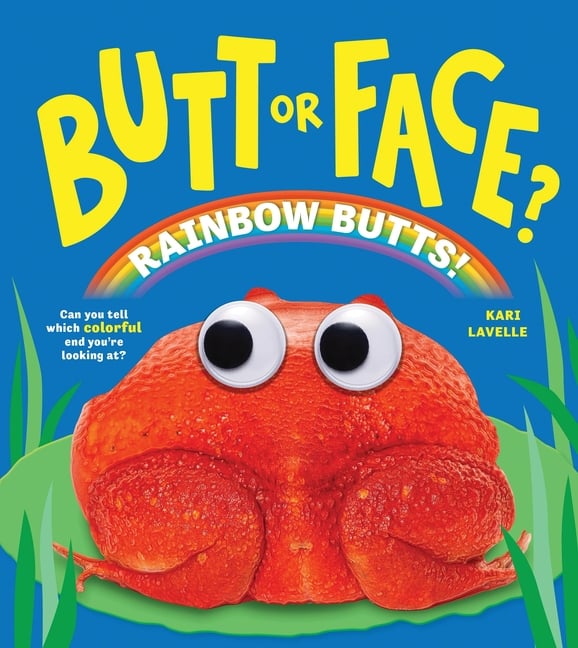
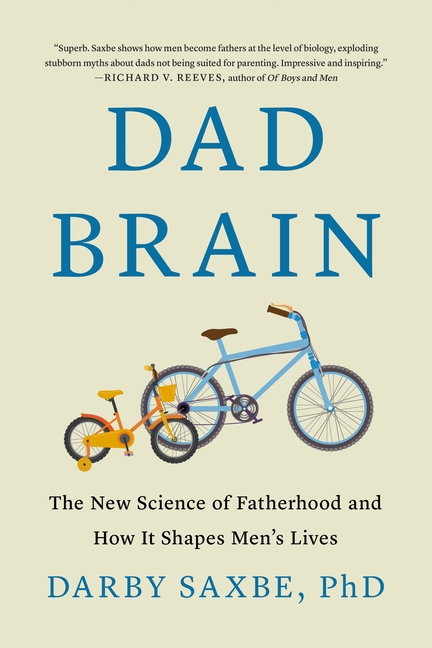
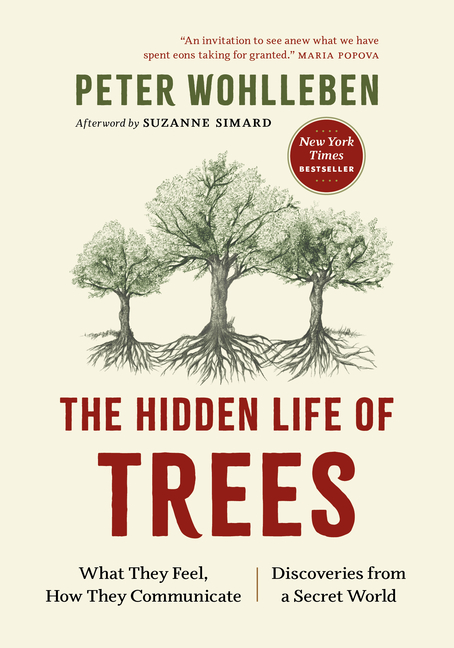
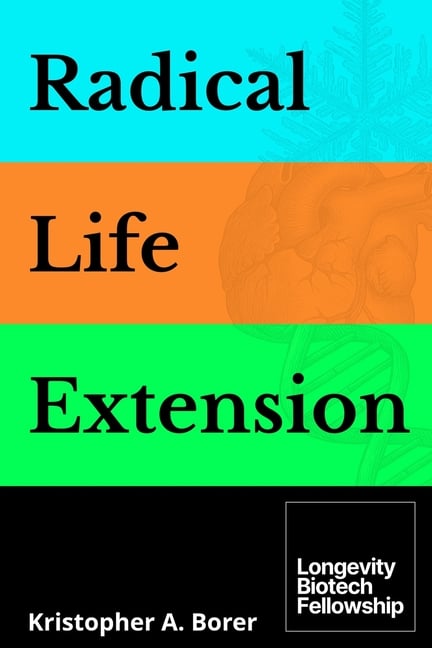
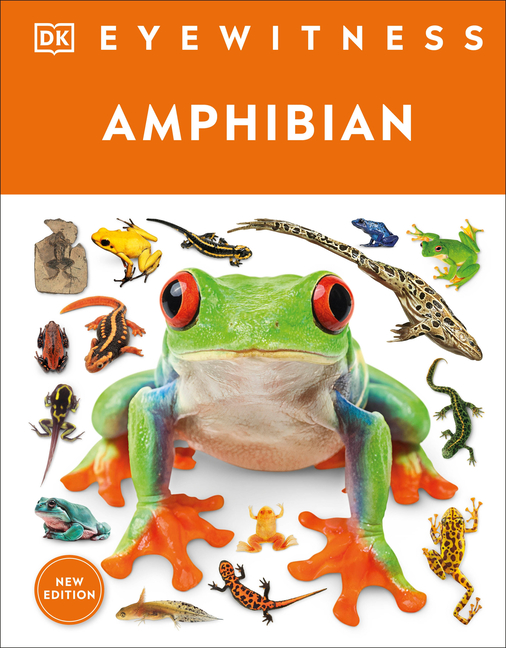
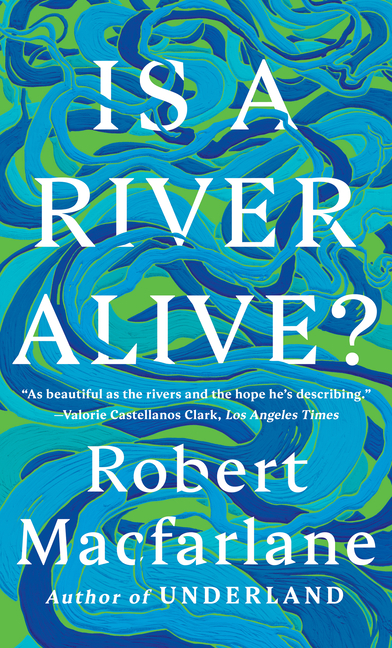
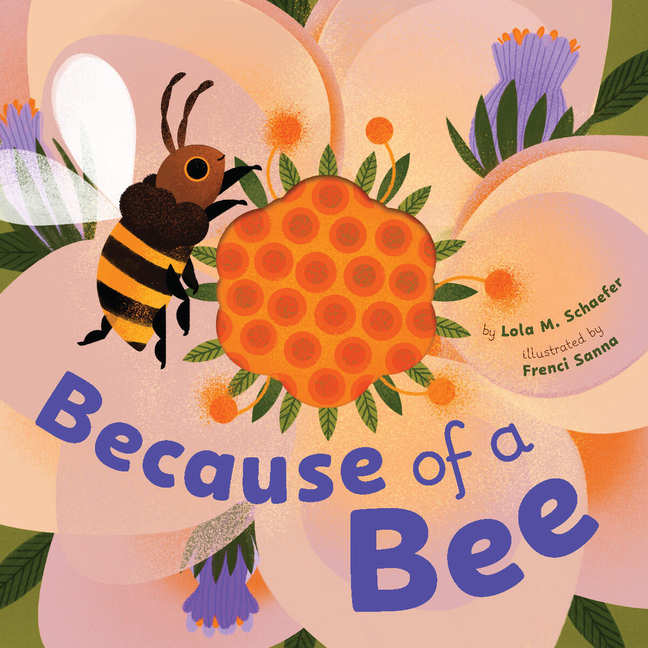
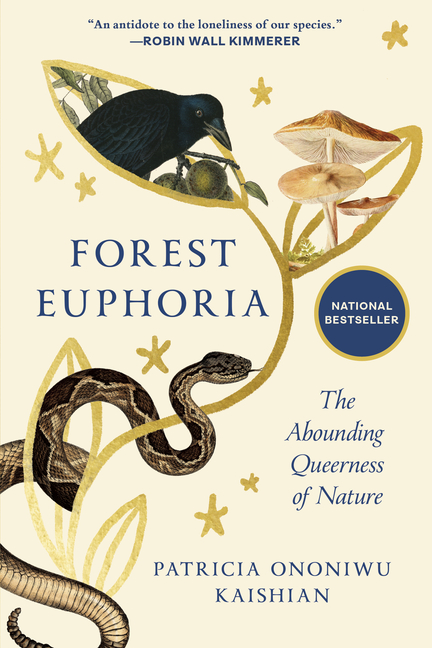
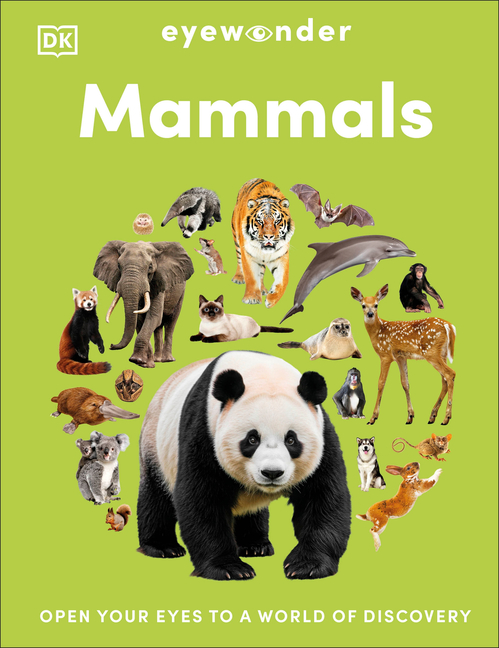
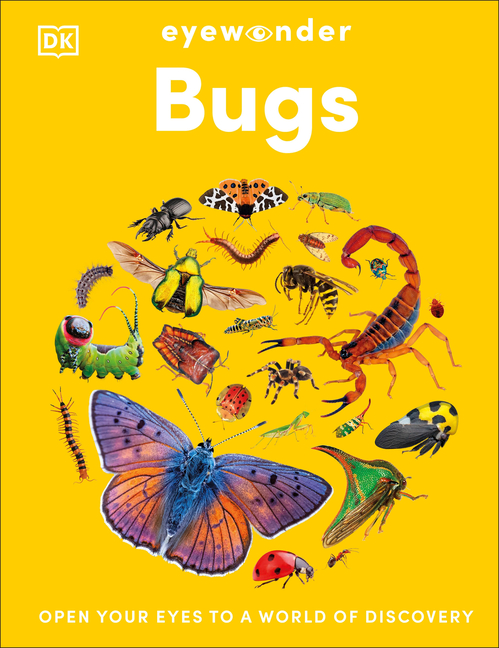
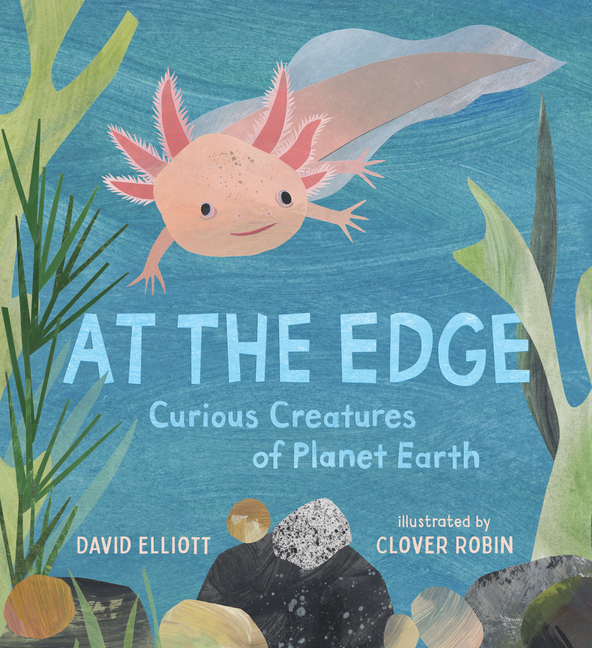
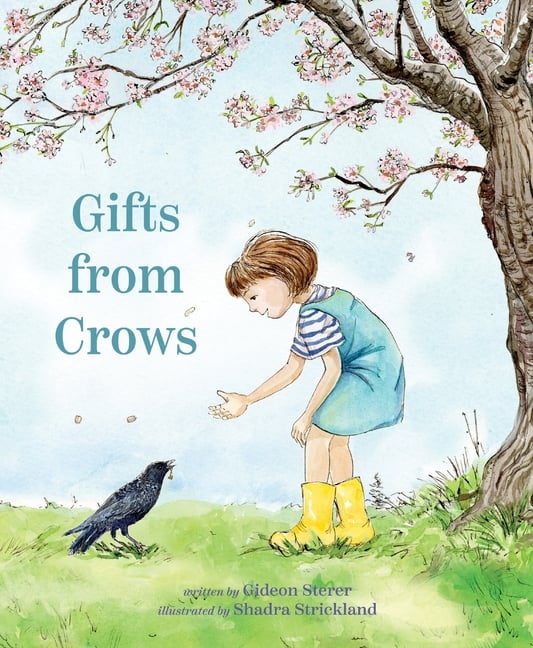
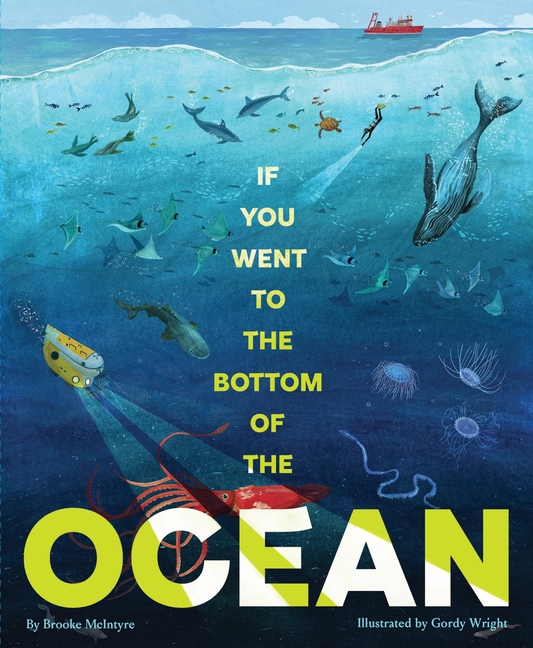
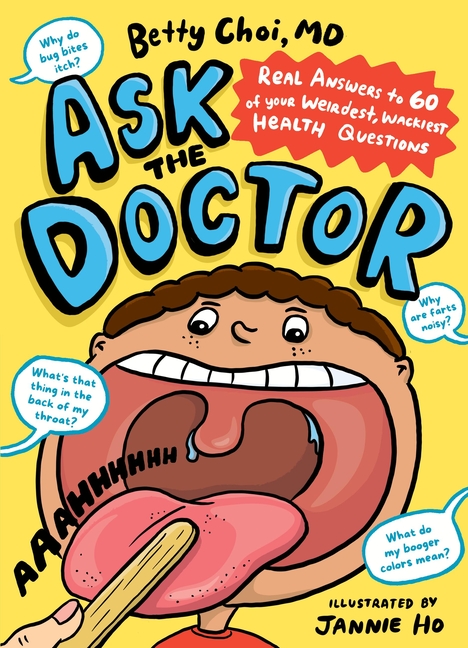
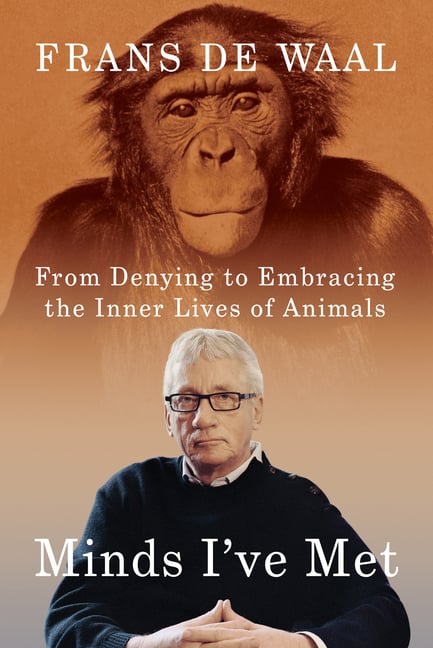
5 Popular Titles in Life Sciences
Who These Books Are For
-
Biology and life science students
-
Medical and healthcare professionals
-
Environmental scientists and conservationists
-
Researchers in genetics and biotechnology
-
Readers interested in scientific literacy and natural systems
Whether preparing for academic study or advancing professional expertise, this collection supports evidence-based learning and scientific exploration.

Summary
The Life Sciences Books collection brings together biology, zoology, botany, genetics & genomics, ecology, and anatomy & physiology into one comprehensive scientific category. These books provide structured, research-based insight into living systems — from molecular processes to ecosystem dynamics. Designed for analytical readers and students, this collection offers foundational and advanced resources for understanding the science of life.
FAQ
What are life sciences books?
Life sciences books focus on the scientific study of living organisms, including cellular biology, genetics, ecology, and human physiology.
Are these books academic?
Many titles are used in university courses and are grounded in scientific research and peer-reviewed knowledge.
Do these books include medical topics?
Some titles, particularly in anatomy & physiology and genetics, overlap with medical education and healthcare studies.
Are these books suitable for beginners?
Yes. The collection includes introductory textbooks as well as advanced scientific works.
Why study life sciences?
Life sciences provide essential understanding for medicine, biotechnology, environmental conservation, and scientific innovation.