

A Little Larger Than the Entire Universe: Selected Poems
$14.99
$20.00

The Odyssey
$13.99

The Poetics of Space
$13.99
$19.00
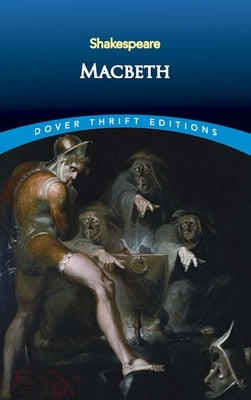
Macbeth
$3.99
$5.00

The Odyssey
$12.99

The Uprising: On Poetry and Finance
$10.99
$14.95


Arthurian Romances
$14.99
$20.00

Rumi: In the Arms of the Beloved
$7.99
$10.00
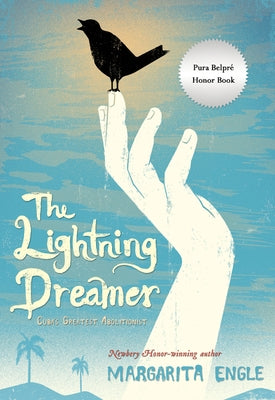

The Sonnets and a Lover's Complaint
$16.99
$23.00

Poetry Prescription: Wild Remedy
$9.99
$12.99


Book of Sketches
$13.99
$19.00

Edna St. Vincent Millay Selected Poems
$14.99
$20.00

Civil War
$9.99
$12.95

The Complete Poems
$17.99
$25.00

Poetics
$9.99
$13.00

Idylls of the King
$12.99
$18.00

Poetry Prescription: Becoming
$9.99
$12.99


The Quest of the Holy Grail
$12.99
$18.00
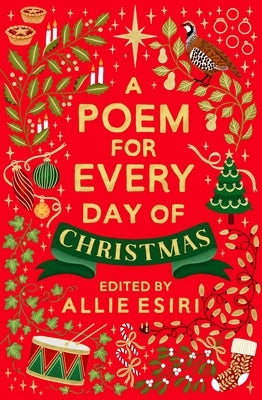
A Poem for Every Day of Christmas
$12.99
$17.99

The Bhagavad Gita
$8.99
$12.00

Box: Henry Brown Mails Himself to Freedom
$6.99
$8.99

Stung with Love: Poems and Fragments
$11.99
$16.00

Hope Ablaze
$14.99
$20.00


Leaves of Grass: The Death-Bed Edition
$18.99
$26.00
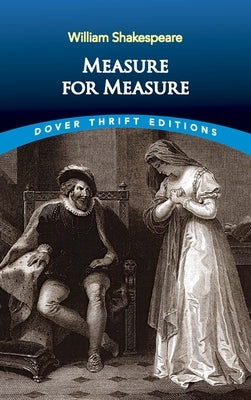
Measure for Measure
$3.99
$5.00

Letters to a Young Poet
$5.99
$7.00

When You Are Old: Early Poems and Fairy Tales
$17.99
$25.00
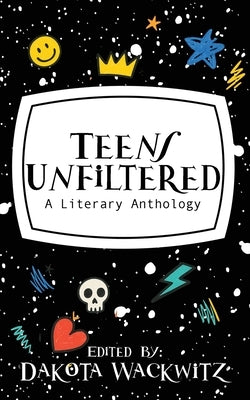
Teens Unfiltered
$10.99
$14.99
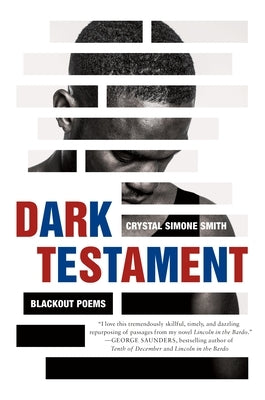
Dark Testament: Blackout Poems
$14.99
$19.99

Here in Harlem: Poems in Many Voices
$9.99
$12.99

Apple: (Skin to the Core)
$13.99
$18.99

Rainbows After Rainstorms
$9.99
$12.50

Quiet Fire: Emily Dickinson's Life and Poetry
$32.99
$37.32

Silver People: Voices from the Panama Canal
$7.99
$10.99
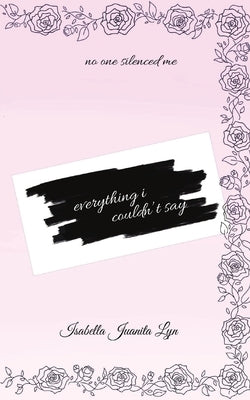
Everything I Couldn't Say
$11.99
$12.99
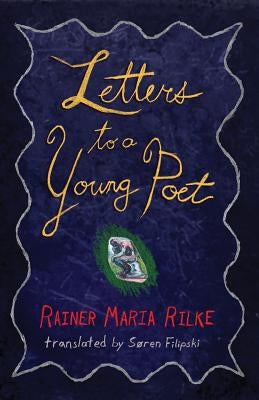
Letters to a Young Poet
$8.99
$9.85


Four Quartets
$10.99
$14.00

The Portable Thoreau
$17.99
$25.00

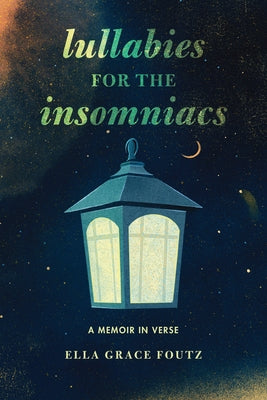
Lullabies for the Insomniacs: A Memoir in Verse
$11.99
$15.99

Lullabies for the Insomniacs: A Memoir in Verse
$34.99
$39.99

Coffee Days Whiskey Nights
$12.99
$16.99

Home Is Not a Country
$12.99
$17.99


