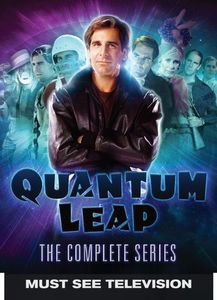
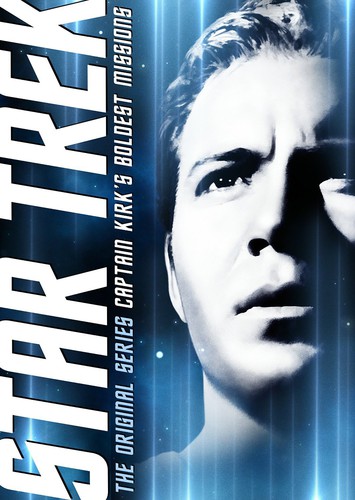
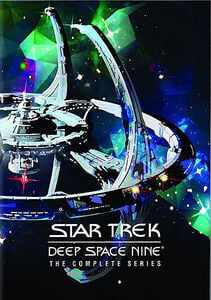
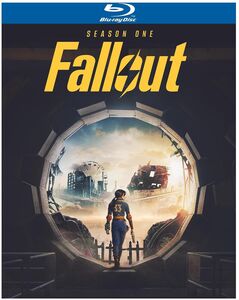
Science fiction TV series imagine bold futures, strange worlds, and ideas that push the boundaries of possibility. Explore science fiction series to discover visionary stories, innovative concepts, and unforgettable adventures that challenge the imagination episode after episode.
The Spirit of Exploration
Sci-fi television isn’t just escapism — it’s a lens for possibility. The best series use futuristic settings to mirror our fears and hopes about the present. Viewers are drawn to these stories because they:
-
Ignite curiosity about science and technology
-
Explore moral and philosophical dilemmas
-
Combine spectacle with intellect
-
Offer a sense of wonder about what’s beyond our reach
Every episode is both adventure and allegory — a journey outward and inward at once.
From Retro Futures to Modern Masterpieces
The Visionary Age (1950s–1980s)
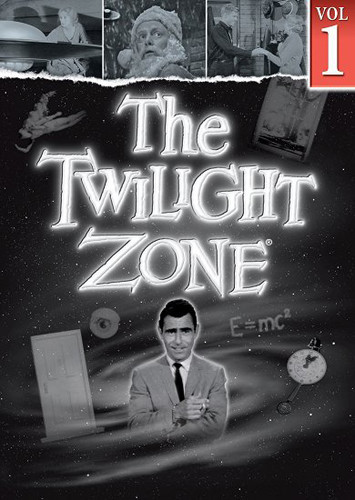
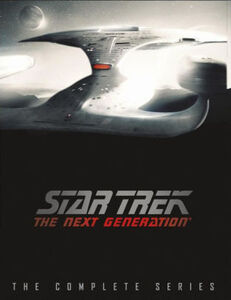
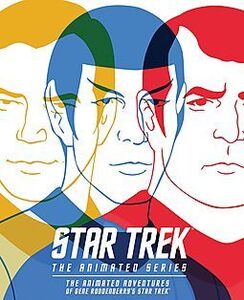
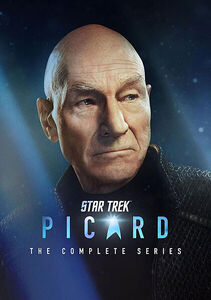
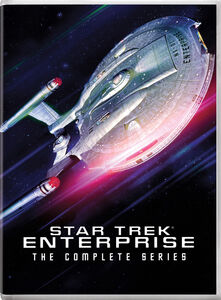
Early classics like Doctor Who, The Twilight Zone, and Star Trek introduced audiences to speculative storytelling that blended optimism with caution. These shows defined the moral core of sci-fi — discovery tempered by responsibility.
The Complex Era (1990s–2000s)
As technology advanced, so did the stories. The X-Files blurred the line between science and conspiracy, while Battlestar Galactica reinvented space opera with realism, religion, and political depth.
The Streaming Frontier (2010s–Present)
Today’s sci-fi thrives on bold creativity and cinematic ambition. Black Mirror, Westworld, and The Expanse explore artificial intelligence, digital identity, and survival in space — turning philosophical questions into visual poetry.
Dimensions of Science Fiction
-
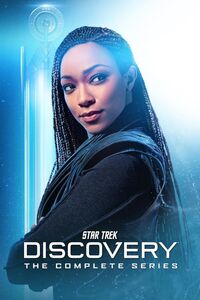
Space Exploration: Adventures beyond Earth (Star Trek: Discovery, The Expanse).
-
Cyber & Tech Futures: The collision of man and machine (Black Mirror, Westworld).
-
Post-Apocalyptic Worlds: Humanity after collapse (The 100, Snowpiercer).
-
Time Travel & Multiverses: Playing with fate and paradox (Dark, 12 Monkeys).
-
Social & Political Sci-Fi: Dystopian mirrors of modern life (The Handmaid’s Tale, 3%).
Each subgenre transforms complex ideas into human drama — proof that even in the far future, emotion remains timeless.
Our Picks – Must-Watch TV Sci-Fi Series
The Expanse
A richly detailed space epic where politics, science, and survival intertwine — realistic, expansive, and deeply human.
Westworld
Artificial intelligence, identity, and freedom collide in a stunning blend of philosophy and spectacle.
Dark
Germany’s haunting, intricate tale of time travel, destiny, and family — complex yet emotionally devastating.
Doctor Who
The timeless journey of a traveler through space and time — endlessly imaginative and culturally iconic.
The 100
Humanity returns to a ruined Earth to rebuild — testing morality, leadership, and survival instincts.
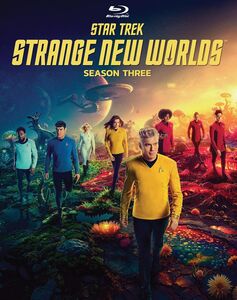
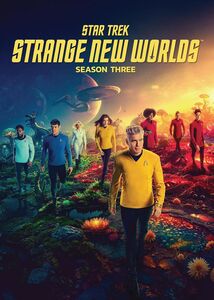
Star Trek: Strange New Worlds
Classic optimism reborn — character-driven adventure that celebrates curiosity and courage.
Summary
TV sci-fi series expand the imagination while holding a mirror to reality. They:
-
Challenge ideas about progress, morality, and identity
-
Blend cutting-edge visuals with philosophical storytelling
-
Turn science into metaphor and technology into art
-
Inspire wonder about humanity’s past, present, and future
From dystopian nightmares to hopeful visions, browse Science Fiction titles that remind us every great discovery begins with imagination — and that the future is only as limitless as our dreams.
FAQs
What makes a sci-fi show truly great?
Depth — not just visuals, but stories that explore ethics, emotion, and the human cost of innovation.
Which sci-fi series are the most influential?
Star Trek, Doctor Who, and The Twilight Zone shaped the genre’s moral and creative DNA for generations.
Why does modern sci-fi feel darker than before?
Today’s creators use dystopian settings to reflect real-world anxieties — technology, control, and survival.
Can sci-fi be emotional?
Absolutely. Shows like Dark and The Expanse balance science with heart, proving emotion drives every great idea.
What’s next for TV sci-fi?
More global voices, grounded futurism, and hybrid storytelling — merging science fiction with mystery, horror, and philosophy.