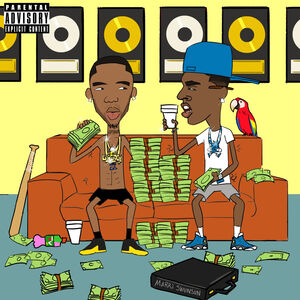
Rap and hip-hop music blend rhythm, lyricism, and cultural influence into powerful, expressive sound. Explore rap and hip-hop music to discover groundbreaking artists, sharp storytelling, and impactful tracks that continue to shape modern music and identity.
From the Block to the World
Hip-hop emerged in the Bronx, New York during the 1970s — a blend of DJing, MCing, breakdancing, and graffiti that gave voice to unheard communities. Artists turned turntables into instruments and rhymes into protest.
What began as block parties and street poetry grew into a worldwide movement — uniting music, fashion, art, and social commentary.
The Evolution of Hip-Hop
-
Old School (1970s–1980s): The birth of rap culture — Grandmaster Flash, Run-D.M.C., LL Cool J.
-
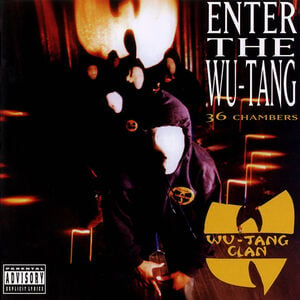
Golden Age (1990s): Lyricism, innovation, and storytelling — Tupac Shakur, The Notorious B.I.G., Nas, Wu-Tang Clan.
-
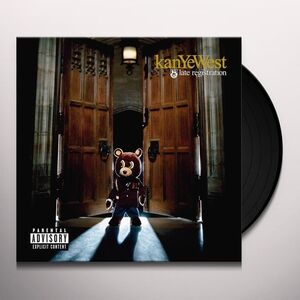
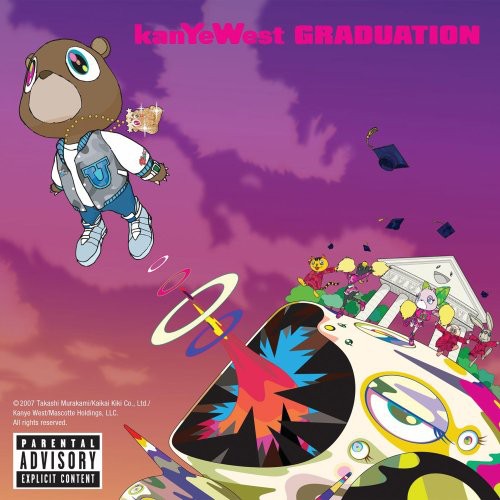
Mainstream Explosion (2000s): Hip-hop goes global — Eminem, Jay-Z, Kanye West, Missy Elliott.
-
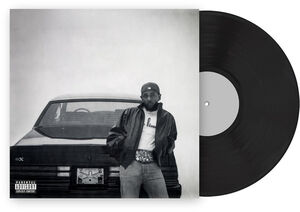
Modern Hip-Hop (2010s–Today): Genre fusion and digital dominance — Drake, Kendrick Lamar, Travis Scott, Nicki Minaj, Doja Cat.
-
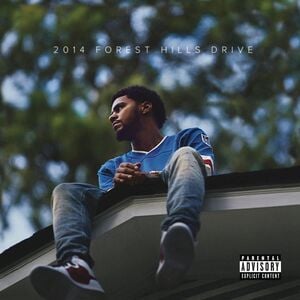
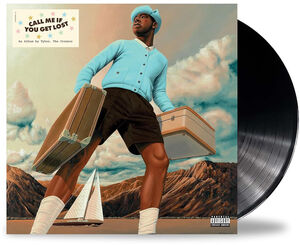
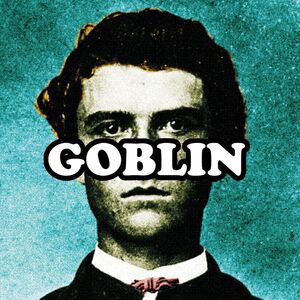
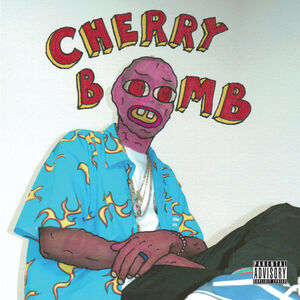
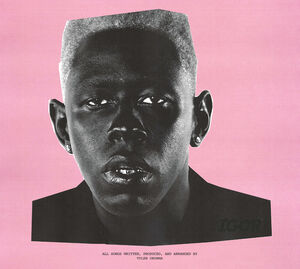
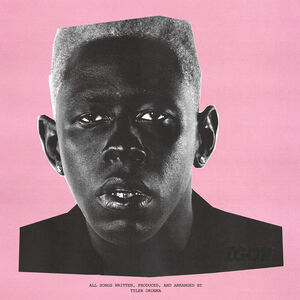
Conscious & Alternative Waves: Thought-provoking, experimental soundscapes — J. Cole, Tyler, The Creator, Noname.
Hip-hop’s history is one of resilience and reinvention — turning rhythm into resistance, and truth into art.
The Culture Behind the Beat
Hip-hop is built on authenticity and rhythm. Every lyric carries experience, every beat moves emotion. It’s not just about fame or flow — it’s about voice.
From political protest to personal reflection, hip-hop bridges entertainment and empowerment. It’s community, competition, and creativity rolled into one — a global language born from survival and ambition.
Our Picks – Essential Rap & Hip-Hop Albums & Artists
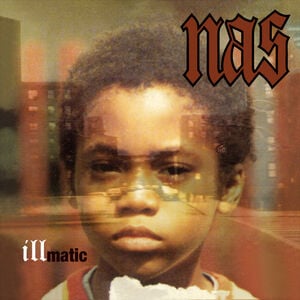
Nas – Illmatic (1994)
A poetic masterpiece — storytelling and wordplay at their finest.
The Notorious B.I.G. – Ready to Die (1994)
Gritty and emotional — the defining East Coast narrative.
Tupac Shakur – All Eyez on Me (1996)
Raw passion, social awareness, and lasting legacy.
Eminem – The Marshall Mathers LP (2000)
Complex, controversial, and lyrically unmatched.
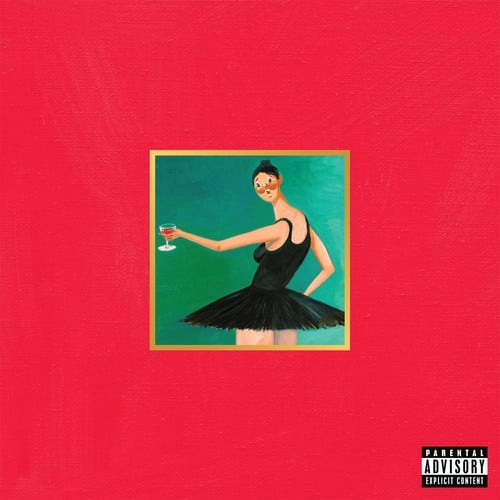
Kanye West – My Beautiful Dark Twisted Fantasy (2010)
Genre-defying innovation — ambitious, emotional, and cinematic.
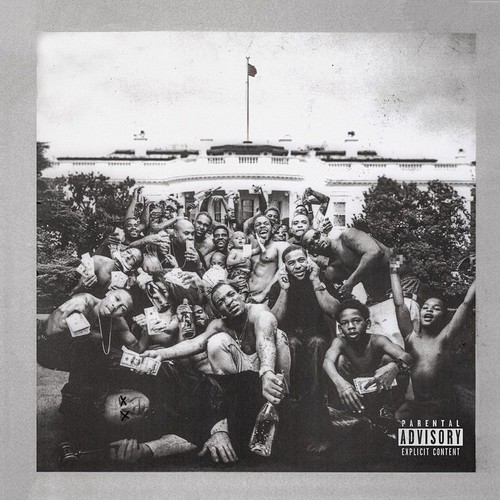
Kendrick Lamar – To Pimp a Butterfly (2015)
A modern classic — blending jazz, funk, and powerful social commentary.
Nicki Minaj – Pink Friday (2010)
Empowerment, attitude, and versatility — redefining pop-rap artistry.
Summary
Rap and hip-hop music transformed from underground expression to a global phenomenon. It:
-
Gave voice to communities and generations through rhythm and poetry
-
Continues to push cultural, lyrical, and sonic boundaries
-
Reflects truth, struggle, and triumph in every beat
-
Bridges art, fashion, and activism into one movement
Join the rhythm that changed the world — browse our Rap & Hip-Hop Music collection and experience the sound of creativity, identity, and revolution.
FAQs
Where did hip-hop originate?
In the Bronx, New York, during the 1970s — born from block parties, street art, and the desire for expression and unity.
What makes rap and hip-hop different?
Rap is the lyrical style — rhythm and rhyme — while hip-hop is the larger culture encompassing music, art, dance, and lifestyle.
Who are the most influential hip-hop artists?
Tupac Shakur, The Notorious B.I.G., Jay-Z, Eminem, Kanye West, and Kendrick Lamar have each shaped the genre’s evolution.
How has hip-hop changed over time?
It’s expanded globally, blending with pop, R&B, and electronic sounds while retaining its roots in rhythm and storytelling.
Why is hip-hop so culturally significant?
Because it gives a platform to truth — amplifying real stories, social issues, and identity while constantly reinventing sound and style.




![Turning My Money Over [Quadruple Album]](https://img.surprisecastle.com/img/mediacdn/prod-img/300/54/4530254-3683299.jpg)