

Father Nature: The Science of Paternal Potential
$23.99
$32.95


The Voices of Nature: How and Why Animals Communicate
$22.99
$23.95


Principles of Neural Science
$180.99
$182.00


Neurocomic: A Comic about the Brain
$12.99
$17.99


Psych: The Story of the Human Mind
$15.99
$21.99


Psych: The Story of the Human Mind
$23.99
$32.00


Behave: The Biology of Humans at Our Best and Worst
$25.99
$36.00



What Is It Like to Be a Bat?
$11.99
$13.99

Neuroscience of Attention
$67.99




Human Diversity: The Biology of Gender, Race, and Class
$25.99
$35.00


The Balanced Brain: The Science of Mental Health
$14.99
$19.95

Feeling & Knowing: Making Minds Conscious
$12.99
$18.00
Self Comes to Mind: Constructing the Conscious Brain
$12.99
$17.00


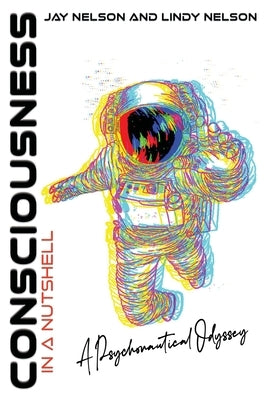
Consciousness in a Nutshell: A Psychonautical Odyssey
$17.99
$24.95
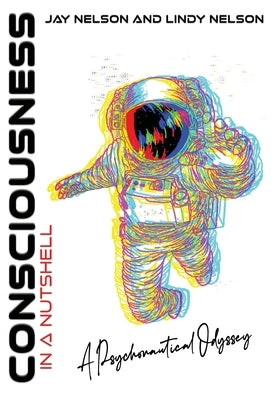
Consciousness in a Nutshell: A Psychonautical Odyssey
$21.99
$28.95

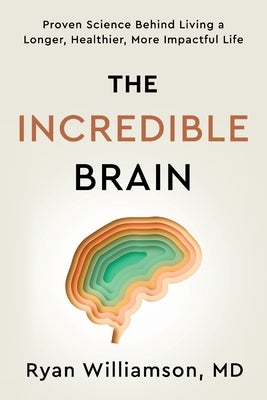
The Incredible Brain
$16.99
$17.99


The Brain from Inside Out
$99.99
Eye and Brain: The Psychology of Seeing - Fifth Edition
$14.99
$19.95

Deep Listeners: Music, Emotion, and Trancing
$29.99
$32.00