


We Come Here to Starve
$17.99

Against the Day
$17.99
$25.00

Buckeye: A Read with Jenna Pick
$21.99
$30.00

The Fall
$11.99
$16.00

Everything I Never Told You
$12.99
$18.00

Spectacular Things: Reese's Book Club: A Novel
$22.99
$31.00

Vagabond (Vizbig Edition), Vol. 5
$17.99
$24.99

Goodnight Punpun, Vol. 2
$17.99
$24.99

Assassin's Apprentice Volume 1 (Graphic Novel)
$21.99
$29.99

The Summer Layoff
$20.99

I Who Have Never Known Men
$12.99
$16.95

Paradise Logic
$20.99
$27.99

Deliver
$16.99
$18.99

Rakesfall
$20.99
$27.99

The Hard Switch
$13.99
$18.99

The Conquering Sword of Conan
$12.99
$18.00

The Piano Teacher
$12.99
$18.00

Doomsday Clock: The Complete Collection
$28.99
$39.99

Father of Lies
$12.99
$18.00

Queer
$12.99
$17.00

Rooms of Their Own: Where Great Writers Write
$18.99
$26.00

The Sorrow of War: A Novel of North Vietnam
$12.99
$18.00

Beastars, Vol. 4
$9.99
$12.99

The Handmaid's Tale
$20.99
$28.00

The Book of Disquiet: The Complete Edition
$20.99
$27.95

Swimming in the Dark
$13.99
$18.99

King Nyx
$20.99
$28.99

Goodnight Punpun, Vol. 1
$17.99
$24.99

Tender Is the Flesh
$12.99
$17.99

Dirty Weekend
$10.99
$11.99

The Champagne Slipper
$12.99
$17.95

Pride and Prejudice
$10.24

Coming of the Dry Season
$16.99
$18.48
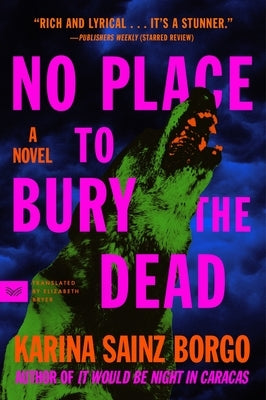
No Place to Bury the Dead
$17.99

Death of a Prince
$8.00


The Lost Domain
$13.99

A Long Winter
$20.00

The Little Lights of Town: Stories
$17.99
$24.00

Bookstores of the World
$64.99
$89.95

Buckeye: A Read with Jenna Pick
$23.99
$32.00

Angel Down
$20.99
$28.99

The Director
$20.99
$28.99
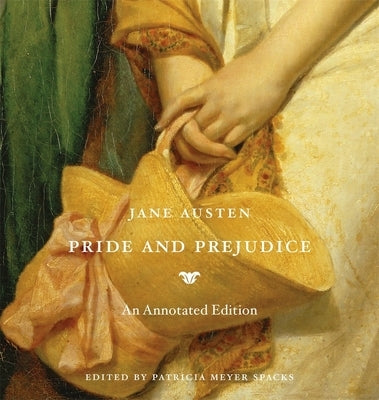
Pride and Prejudice
$32.99
$45.00

The Great Gatsby (Painted Editions)
$14.99
$19.99

The Silmarillion Collector's Edition
$25.99
$35.00

The Sky Beneath Us
$12.99
$16.99

Frankenstein: Or the Modern Prometheus
$5.99
$7.95

The Prince of Tides
$17.99
$23.99


