Jazz music blends improvisation, rich expression, and dynamic rhythms that have shaped generations of sound. Explore jazz music to discover timeless standards, modern interpretations, and influential artists who continue to redefine musical creativity.
The Birth of a Movement
Jazz was born in early 20th-century New Orleans, where blues, ragtime, and gospel converged. Musicians like Louis Armstrong and Jelly Roll Morton turned rhythm and melody into a conversation — spontaneous, soulful, and full of life.
As it spread across America, jazz became a symbol of creativity, freedom, and cultural pride, influencing every genre that followed.
The Many Faces of Jazz
-
New Orleans & Dixieland Jazz (1910s–1920s): Energetic and communal — Louis Armstrong, King Oliver.
-
Swing & Big Band (1930s–1940s): Danceable and elegant — Duke Ellington, Count Basie, Benny Goodman.
-
Bebop Revolution (1940s–1950s): Complex and fast-paced — Charlie Parker, Dizzy Gillespie, Thelonious Monk.
-
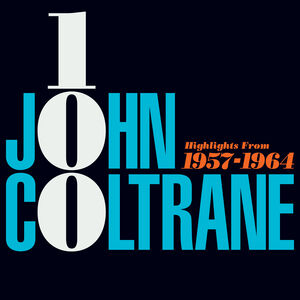
Cool & Modal Jazz (1950s–1960s): Smooth and introspective — Miles Davis, John Coltrane, Bill Evans.
-
Fusion & Modern Jazz (1970s–Today): Mixing rock, funk, and electronics — Herbie Hancock, Snarky Puppy, Esperanza Spalding.
Jazz never stands still — it evolves, experiments, and redefines itself with every new artist who dares to improvise.
The Soul of Jazz
At its core, jazz is a conversation — between instruments, between musicians, and between emotion and intellect. Improvisation isn’t just a technique; it’s philosophy in motion.
The best jazz lives in the moment — unpredictable, free, and profoundly human. It’s about listening, responding, and creating something that exists only once, then lingers forever.
Our Picks – Essential Jazz Albums & Artists
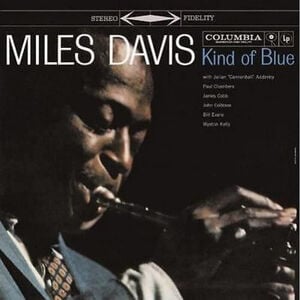
Miles Davis – Kind of Blue (1959)
The pinnacle of cool jazz — serene, spacious, and endlessly influential.
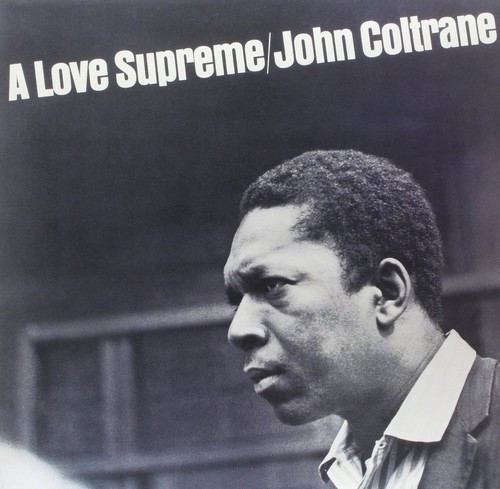
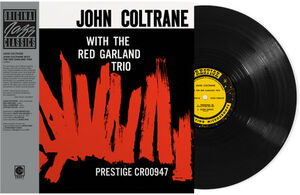
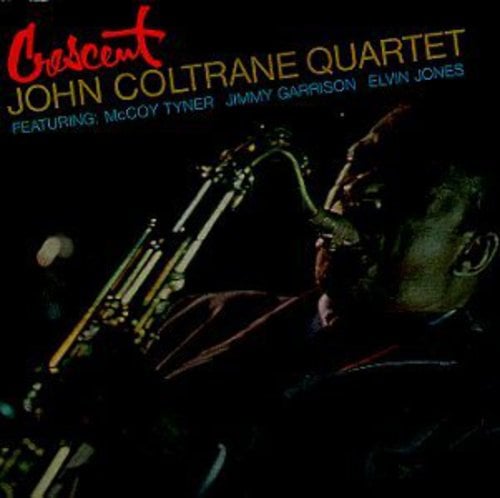
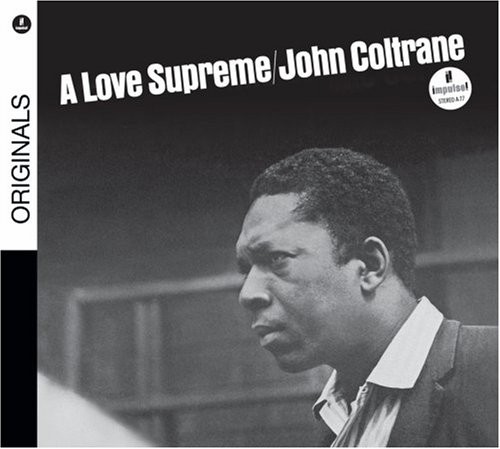
John Coltrane – A Love Supreme (1965)
Spiritual, searching, and transcendent — jazz as divine expression.
Louis Armstrong – The Complete Hot Five & Hot Seven Recordings
The joyful foundation of modern jazz — pure genius and soul.
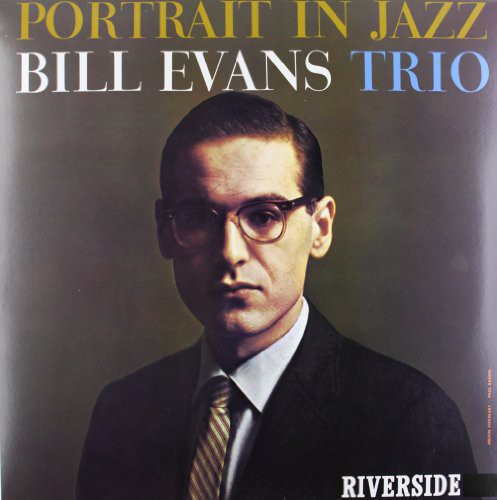
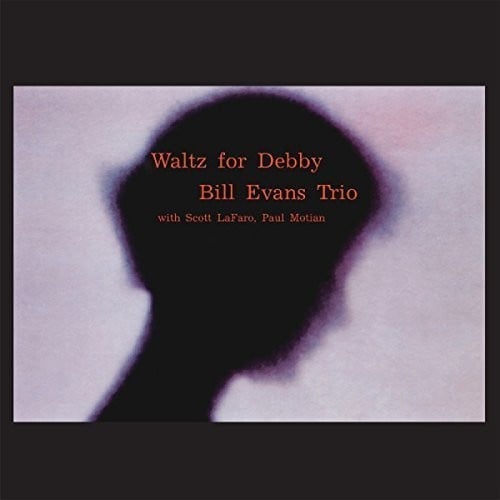
Bill Evans Trio – Waltz for Debby (1961)
Elegant and intimate — a masterclass in interplay and emotion.
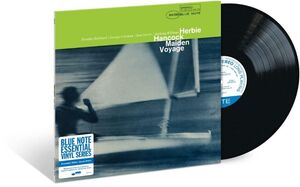
Herbie Hancock – Head Hunters (1973)
Funk meets fusion — vibrant, inventive, and rhythmically electric.
Nina Simone – I Put a Spell on You (1965)
A genre-crossing masterpiece of voice, passion, and protest.
Esperanza Spalding – Emily’s D+Evolution (2016)
Modern jazz innovation — fearless, melodic, and beautifully avant-garde.
Summary
Jazz music is the sound of freedom — a living dialogue between soul and sound. It:
-
Blends emotion, intellect, and improvisation
-
Connects tradition with constant innovation
-
Inspires every major music genre from rock to hip-hop
-
Transforms individuality into harmony
Join the rhythm of creativity — browse our Jazz Music collection and discover the albums and artists who turned improvisation into an art form and emotion into timeless sound.
FAQs
What defines jazz music?
Improvisation, swing rhythm, and emotional expression — musicians create spontaneously while responding to one another.
Where did jazz originate?
In early 1900s New Orleans, blending African rhythms, blues, and brass band traditions into a new sound of freedom.
Who are the most influential jazz artists?
Louis Armstrong, Miles Davis, John Coltrane, Duke Ellington, and Ella Fitzgerald are among jazz’s foundational legends.
How did jazz influence other genres?
It inspired rock, funk, R&B, and hip-hop — shaping modern rhythm, harmony, and production.
Is jazz still evolving today?
Yes — artists like Kamasi Washington, Esperanza Spalding, and Robert Glasper continue to push jazz into new sonic and cultural directions.




![A Charlie Brown Christmas (Deluxe Edition) [2 LP]](https://img.surprisecastle.com/img/mediacdn/prod-img/300/18/4128818-2873683.jpg)


![Kind Of Blue [Mono Vinyl]](https://img.surprisecastle.com/img/media/graphics/items/sdimages/a/500/0/8/0/3/2353080.jpg)