

The Extended Selfish Gene
$28.99
$39.99

Unlock Genetics in 10 Concise Chapters
$12.99
$16.99

Evolution: A Very Short Introduction
$9.99
$12.99

Blueprint: How DNA Makes Us Who We Are
$14.99
$19.95


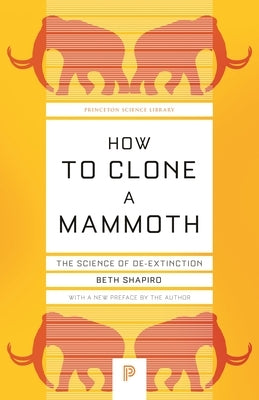
How to Clone a Mammoth: The Science of De-Extinction
$10.99
$14.95


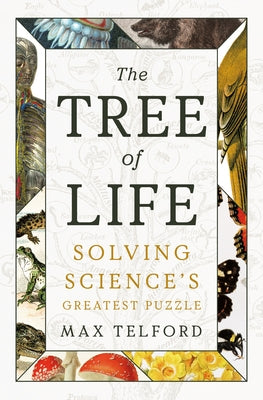






The History of Life: A Very Short Introduction
$9.99
$12.99


Marrow Memory: Essays of Discovery
$13.99
$19.00

The Genetic Book of the Dead: A Darwinian Reverie
$15.99
$22.00


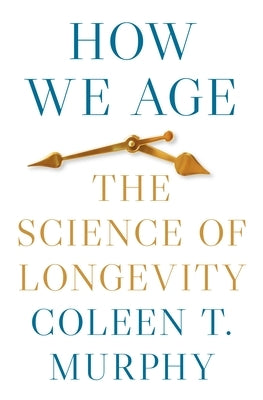
How We Age: The Science of Longevity
$16.99
$22.95

Experiments in Bacterial Genetics: A Laboratory Manual
$92.99
$95.00

Scotland: A History from Earliest Times
$15.99
$21.95


The Cosmic Serpent: DNA and the Origins of Knowledge
$13.99
$19.00

The Lost Family: How DNA Testing Is Upending Who We Are
$15.99
$21.50



Seven Decades: How We Evolved to Live Longer
$25.99
$35.00

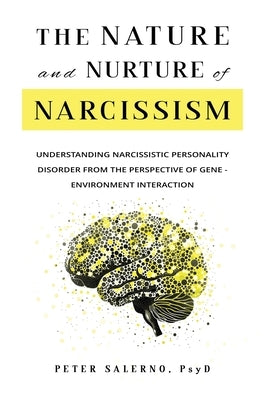
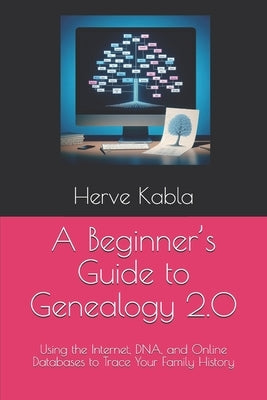
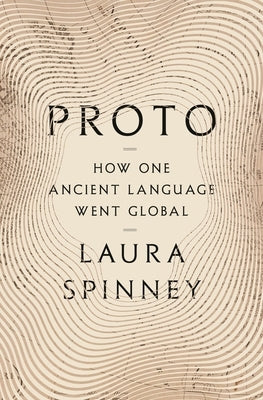
Proto: How One Ancient Language Went Global
$21.99
$29.99

Genes: A Very Short Introduction
$9.99
$12.99

Human Evolution: A Very Short Introduction
$9.99
$12.99

Evil Genes
$19.99

A Broken Tree: How DNA Exposed a Family's Secrets
$21.99
$22.00

Synthetic Biology: A Lab Manual (Second Edition)
$97.99
$98.00


