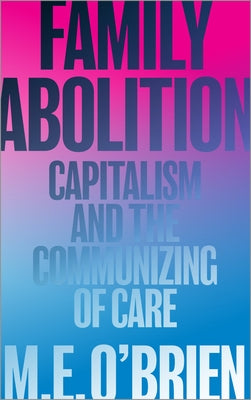
Family Abolition: Capitalism and the Communizing of Care
$16.99
$22.95


Uncut: A Cultural Analysis of the Foreskin
$21.99
$29.95

The Rise and Decline of Patriarchal Systems
$21.99
$29.95

Naked: On Sex, Work, and Other Burlesques
$13.99
$18.99


Unsafe Words: Queering Consent in the #Metoo Era
$16.99
$22.95



The Kurdish Women's Movement: History, Theory, Practice
$17.99
$24.95


All of Me: Stories of Love, Anger, and the Female Body
$14.99
$19.95


Grandma's Story
$7.99
$9.99

Queer for Fear: Horror Film and the Queer Spectator
$31.99
$32.00

Of Woman Born: Motherhood as Experience and Institution
$12.99
$17.99

I'm Afraid of Men
$11.99
$16.00

Nine Parts of Desire: The Hidden World of Islamic Women
$12.99
$18.00





David Bowie Made Me Gay: 100 Years of LGBT Music
$13.99
$19.00

Persistence: All Ways Butch and Femme
$15.99
$21.95


Transitioning Later in Life: A Personal Guide
$15.99
$21.95


What's on Her Mind: The Mental Workload of Family Life
$21.99
$29.95


Feminism Against Progress
$12.99
$17.99

Letters to My Weird Sisters: On Autism and Feminism
$12.99
$16.99


Feminisms: The Basics
$24.99


Girls: On Boredom, Rebellion and Being In-Between
$39.99
$55.00


How to Be Lovely: The Audrey Hepburn Way of Life
$16.99
$23.00


Call the Midwife: A Memoir of Birth, Joy, and Hard Times
$12.99
$18.00

Queer Traffic: Sex, Panic, Free Trade
$33.99
$34.00