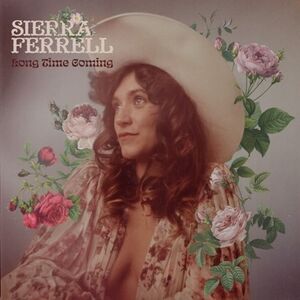
Folk music celebrates tradition, storytelling, and the human experience through heartfelt lyrics and acoustic warmth. Explore folk music to discover timeless ballads, modern songwriters, and authentic voices that connect past and present through simple, powerful melodies.
The Roots of Tradition
Folk music began long before recording — passed from voice to voice, carrying the history of people, places, and beliefs. Each culture developed its own rhythms and storytelling styles, yet the message was always universal: music for the people, by the people.
In America, folk evolved from European ballads, African rhythms, and working-class songs — eventually giving rise to protest movements, poetic lyricism, and acoustic artistry that continues to inspire today.
Evolution Through Time & Culture
-
Traditional Folk: Oral storytelling through melody and verse — Woody Guthrie, Lead Belly.
-
1960s Folk Revival: The sound of change and protest — Bob Dylan, Joan Baez, Simon & Garfunkel.
-
British & Celtic Folk: Lyrical, mystical, and melodic — Fairport Convention, The Dubliners.
-
Contemporary Folk: Acoustic honesty meets modern introspection — Nick Drake, Joni Mitchell, Iron & Wine.
-
Global Folk Fusion: Artists blending roots with innovation — Mumford & Sons, The Lumineers, First Aid Kit.
Folk music adapts, but never abandons its soul — every era adds a new verse to humanity’s songbook.
The Heart of Folk
Folk music is about truth in simplicity. No need for grand orchestration or studio perfection — just voice, strings, and emotion. It’s the sound of campfires, community, and conscience. Whether political or personal, each song offers reflection, hope, and belonging.
It’s the soundtrack of shared experience — where melody carries memory, and lyrics tell life itself.
Our Picks – Essential Folk Albums & Artists
Bob Dylan – The Freewheelin’ Bob Dylan (1963)
A generation’s voice — poetic, fearless, and politically charged.
Joni Mitchell – Blue (1971)
Raw vulnerability and unmatched lyricism — one of the most beautiful albums ever written.
Woody Guthrie – Dust Bowl Ballads (1940)
The working-class anthem — songs of hardship, dignity, and resilience.
Simon & Garfunkel – Bridge Over Troubled Water (1970)
Harmony and heart — blending folk warmth with pop brilliance.
Nick Drake – Pink Moon (1972)
Minimalist, haunting, and timeless — the quiet power of introspection.
The Lumineers – Cleopatra (2016)
Modern folk storytelling with rhythmic energy and emotional depth.
Summary
Folk music carries the human story — simple melodies filled with truth, struggle, and hope. It:
-
Connects generations through shared experience and storytelling
-
Blends tradition with timeless authenticity
-
Inspires change through heartfelt, honest lyrics
-
Continues to evolve while preserving its roots
Listen to the voice of the people — browse our Folk Music collection and bring home the songs that remind us who we are, where we’ve been, and where we’re going.
FAQs
What defines folk music?
Simple melodies, storytelling lyrics, and a focus on real-life experiences passed down through oral or written tradition.
Who are the most influential folk artists?
Woody Guthrie, Bob Dylan, Joni Mitchell, Joan Baez, and Simon & Garfunkel helped shape modern folk.
How did folk music influence culture?
It inspired social movements, political awareness, and the rise of singer-songwriter artistry throughout the 20th century.
Is folk music still relevant today?
Absolutely — artists like The Lumineers, First Aid Kit, and Phoebe Bridgers continue to reinvent folk for new audiences.
What instruments are most common in folk music?
Acoustic guitar, banjo, fiddle, mandolin, and harmonica — simple tools for honest expression.





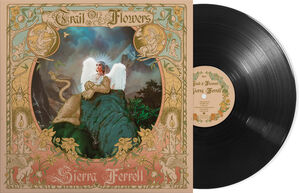
![Trail Of Flowers [GRAMMY Gold LP]](https://img.surprisecastle.com/img/mediacdn/prod-img/300/35/4407735-3338174.jpg)