

Toward Another Kingdom: Two Dramas of the Darker Years
$14.99
$17.00


The Sickness Unto Death: A New Translation
$12.99
$17.99


Irrational Man: A Study in Existential Philosophy
$12.99
$18.00

A Philosopher Looks at Human Beings
$12.99
$16.99


The Gay Science
$7.99
$10.00

Journey to the Y in You
$10.99
$14.99


Metamorphosis
$10.99

Notes from the Underground
$26.99

No-thing - ungraspable freedom
$24.99
$28.90

The Metamorphosis
$14.99
$15.77

The Destiny of Man
$18.99
$19.95

The Wisdom of Life
$9.99

Matter and Memory
$8.99

The Ego and Its Own
$12.99
$13.99

Albert Camus: A Life
$18.99
$24.99

The Antichrist
$3.99
$5.00

The Freudian Exodus: Psychoanalysis and the Mosaic Legacy
$174.99
$179.00

Being Algae: Transformations in Water, Plants
$216.99
$221.00

Discovering Black Existentialism
$58.99
$60.00

Nietzsche Pursued: Toward a Philosophy for the Future
$48.99
$49.00

Thus Spake Zarathustra
$15.99

Human, All Too Human
$11.99
$15.99


Fear and Trembling
$12.99
$17.00

The Birth of Tragedy & the Genealogy of Morals
$9.99
$13.00

Heidegger, Dasein, and Gender: Thinking the Unthought
$108.99
$110.00


At the Heart of Reason
$38.99
$45.00

Ecce Homo: How One Becomes What One Is--Revised Edition
$10.99
$15.00

The Ethics of Ambiguity
$12.99
$17.99


Basic Writings of Existentialism
$15.99
$22.00

How to Be an Existentialist: 10th Anniversary Edition
$14.99
$17.95

Becoming Beauvoir: A Life
$14.99
$19.95

Existential Psychoanalysis
$14.99
$19.99

A Companion to Martin Buber
$36.99

The pain of living
$24.99
$27.00


Heidegger on Religion
$22.99
$23.00

The Philosophy Of Gabriel Marcel
$27.99
$29.95
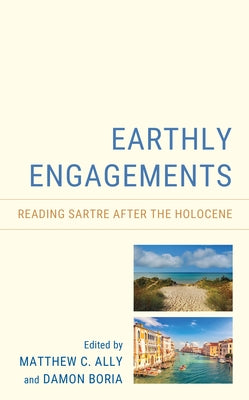
Earthly Engagements: Reading Sartre after the Holocene
$118.99
$120.00


Works of Love: A New Translation
$25.99
$35.99

Existentialism: A Very Short Introduction
$9.99
$12.99
