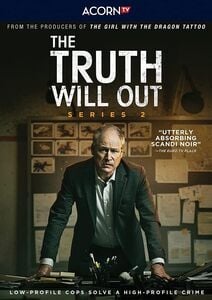
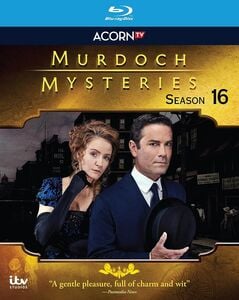
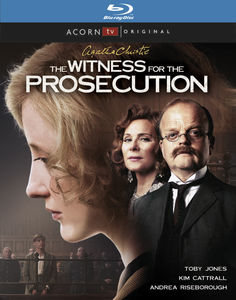
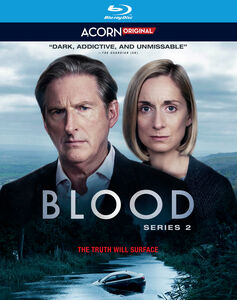
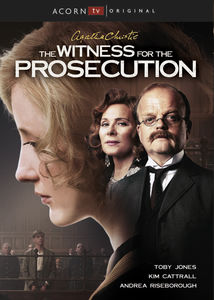
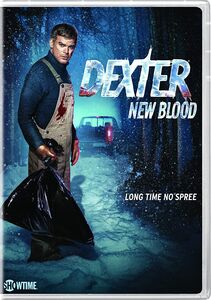
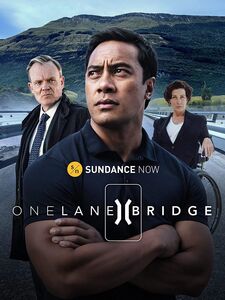
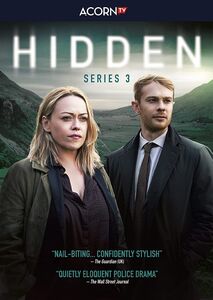
Crime TV series dive into gripping cases, tense investigations, and complex characters driven by truth and justice. Explore crime series to discover twisting mysteries, high-stakes drama, and stories that keep you guessing from the first clue to the final reveal.
Why Audiences Love Crime Series
Crime television satisfies both curiosity and emotion — engaging the mind while pulling at the heart. Fans are drawn to these shows because they:
-
Offer intellectual engagement through investigation and deduction
-
Explore moral complexity and the line between justice and obsession
-
Deliver suspense and emotional stakes that keep viewers hooked
-
Reveal societal truths behind each crime and consequence
Crime dramas are more than entertainment — they’re reflections of fear, morality, and the search for order in chaos.
The Evolution of Crime Television
The Classic Detective Era (1950s–1980s)
Early crime series like Dragnet, Columbo, and Murder, She Wrote defined the genre — structured mysteries with sharp detectives and clear resolutions.
The Gritty Realism Wave (1990s–2000s)
Series such as Law & Order, The Wire, and NYPD Blue brought realism, complexity, and social commentary to television crime — showing both the human side of policing and the system’s flaws.
The Modern Psychological Age (2010s–Present)
Recent series have evolved into character studies and moral dramas — Mindhunter, True Detective, Broadchurch, and Ozark examine not just crime, but the psychology behind it.
Subgenres of Crime Television
-
Procedural Dramas: Case-by-case investigations (CSI, NCIS).
-
Psychological Thrillers: Focused on motive and mind (Mindhunter, Hannibal).
-
Detective Mysteries: Solving puzzles through intellect and intuition (Sherlock, Broadchurch).
-
True Crime & Docuseries: Real-life investigations and reenactments (Making a Murderer, The Jinx).
-
Criminal Underworld Stories: Exploring the other side of the law (Breaking Bad, Peaky Blinders).
Each subgenre highlights a different perspective — the investigator, the criminal, or the victim — making the crime genre endlessly rich and diverse.
What Makes Crime TV So Compelling
-
Complex Characters: Detectives, criminals, and victims with layered motivations.
-
Moral Dilemmas: Justice isn’t always black and white.
-
Atmosphere & Suspense: Dark cinematography, haunting music, and unpredictable plots.
-
Truth-Seeking: The pursuit of justice mirrors humanity’s need for order and meaning.
Crime television succeeds when it keeps us guessing — and makes us care about the answers.
Our Picks – Must-Watch Crime TV Series
Sherlock
A modern reinvention of the world’s greatest detective — brilliant, fast-paced, and intricately written.
True Detective
Philosophical, atmospheric, and emotionally devastating — every season explores the human soul beneath the badge.
Broadchurch
A small-town mystery turned emotional epic — grief, guilt, and community collide in unforgettable ways.
The Wire
A masterpiece of realism and depth — exploring crime, politics, and poverty in modern America.
Mindhunter
A chilling, cerebral look into the birth of criminal profiling — when the monsters are all too human.
Luther
A dark, stylish drama about a detective on the edge — torn between duty and darkness.
Summary
Crime TV series combine intellect, emotion, and suspense to reveal both the mystery of crime and the mystery of people. They:
-
Blend tension and empathy through layered storytelling
-
Challenge morality and justice through complex characters
-
Reflect real-world issues through fiction and fact
-
Keep audiences hooked with every revelation and twist
From courtroom dramas to psychological thrillers, browse Crime titles that prove uncovering the truth is never simple — and that every story hides more than meets the eye.
FAQs
What defines a crime TV series?
A show centered around solving or committing crimes — blending investigation, suspense, and human drama.
Are crime shows realistic?
Some are stylized, while others like The Wire and Mindhunter strive for authenticity and social accuracy.
Why are people fascinated by crime stories?
Because they combine fear, logic, and morality — allowing us to confront danger safely and explore the boundaries of justice.
What’s the difference between a procedural and a serial crime show?
Procedurals solve a new case each episode, while serial crime dramas follow an ongoing story across seasons.
Which crime series are best to start with?
Try Sherlock or Luther for mystery, The Wire for realism, and Broadchurch for emotional storytelling.