Country music blends heartfelt storytelling, acoustic charm, and themes rooted in everyday life. Explore country music to discover timeless ballads, modern hits, and authentic voices that capture love, loss, hope, and the spirit of the open road.
From Roots to Radio – The Journey of Country Music
Country music began in the rural South during the early 20th century, blending Appalachian folk, gospel, and cowboy ballads. As recording technology grew, artists carried these sounds from the mountains to the masses.
By the 1940s and ’50s, the Grand Ole Opry turned Nashville into the genre’s beating heart. The outlaw movement of the ’70s brought rebellion, and the modern country-pop era made it global. Through every change, the genre never lost its foundation — storytelling and truth.
The Sound of Tradition & Change
-
Classic Country: Simple, soulful, and story-driven (Hank Williams, Patsy Cline).
-
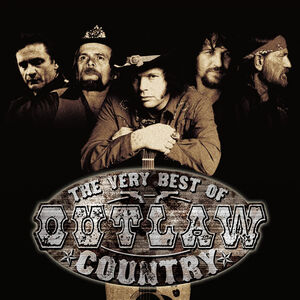
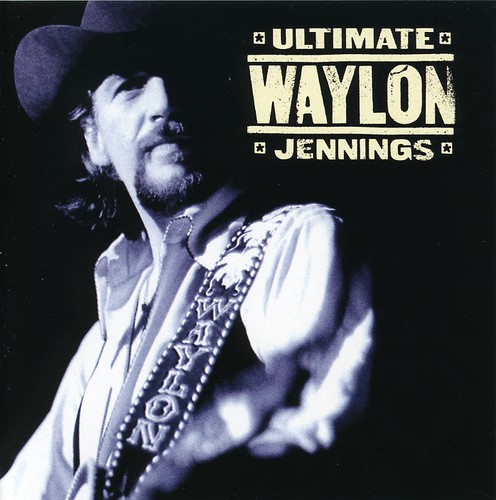
Outlaw Country: Raw emotion and independence (Willie Nelson, Waylon Jennings).
-
Nashville Sound: Smooth vocals and orchestral polish (Tammy Wynette, Glen Campbell).
-
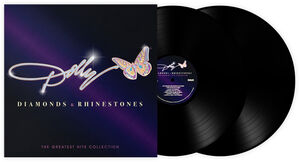
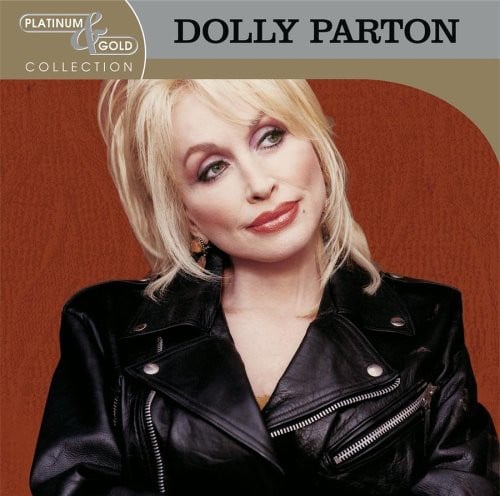
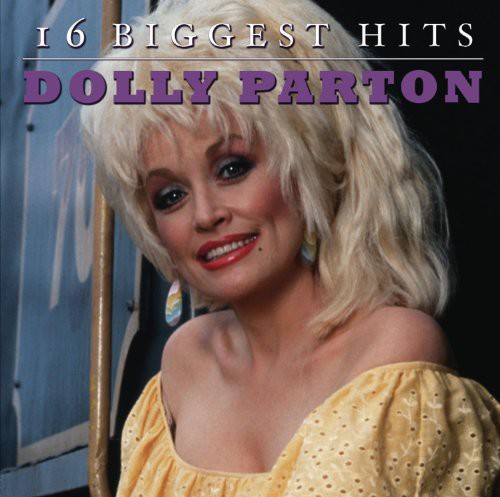
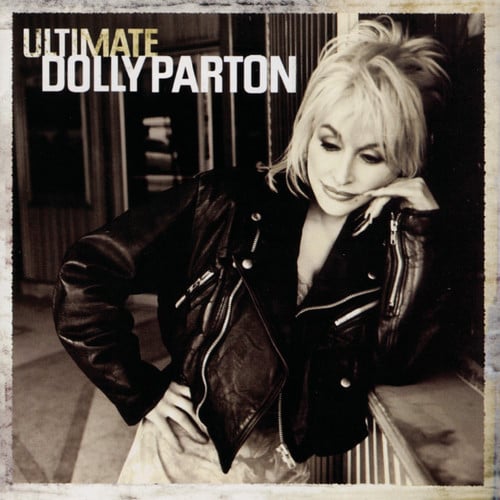
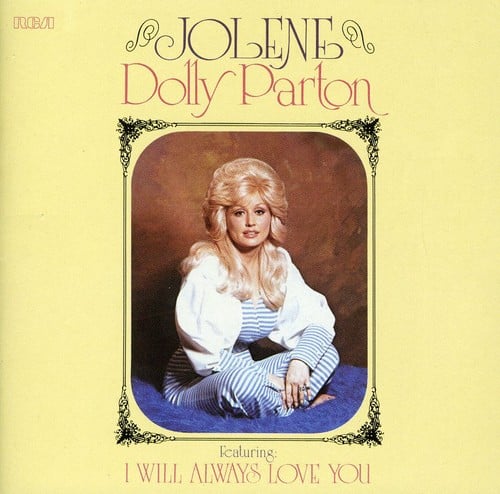
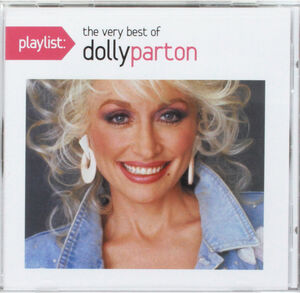
Country Rock & Pop: Bridging genres for new generations (Dolly Parton, The Eagles, Shania Twain).
-
Modern Country: Big choruses, modern themes, and crossover success (Chris Stapleton, Kacey Musgraves, Luke Combs).
Each era adds a new verse to the story of a genre that never stops evolving.
Why Country Endures
Country music thrives because it’s real. The themes — love, loss, family, faith, and freedom — never go out of style. Every lyric feels lived-in, every note feels earned. Whether it’s an acoustic front porch tune or a stadium anthem, country connects through shared experience.
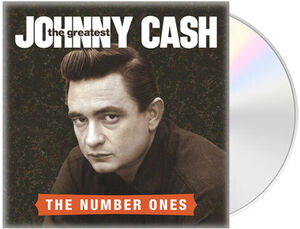
As Johnny Cash once said, “The things that have always been important: loving God, family, and country — they’re in every song.”
Our Picks – Essential Country Albums & Artists
Johnny Cash – At Folsom Prison (1968)
A raw, honest performance that captured the outlaw spirit and redefined authenticity.
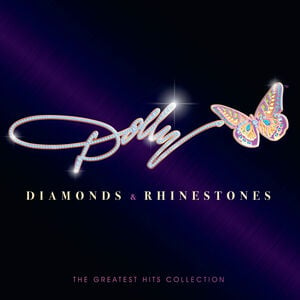
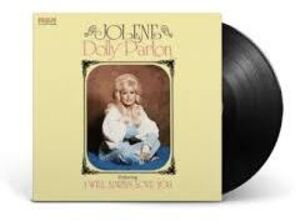
Dolly Parton – Coat of Many Colors (1971)
A deeply personal album that turned humble roots into timeless poetry.
Willie Nelson – Red Headed Stranger (1975)
Minimalist and powerful — a concept album that reimagined country storytelling.
Shania Twain – Come On Over (1997)
Global country-pop perfection — energetic, confident, and era-defining.
Chris Stapleton – Traveller (2015)
A soulful modern masterpiece that blends classic grit with contemporary emotion.
Kacey Musgraves – Golden Hour (2018)
Dreamy, introspective, and genre-blurring — a modern classic that won hearts and Grammys.
Summary
Country music is more than sound — it’s a reflection of life’s simplest and deepest truths. It:
-
Blends heritage and heart across generations
-
Honors tradition while embracing change
-
Connects emotion, storytelling, and melody
-
Speaks to everyone through sincerity and soul
Take the scenic route through music history — browse our Country Music collection and experience the songs that built a legacy of love, grit, and storytelling.
FAQs
Where did country music originate?
In the rural American South, drawing from folk ballads, gospel harmonies, and Appalachian storytelling traditions.
Who are the pioneers of classic country?
Artists like Hank Williams, Patsy Cline, and Johnny Cash laid the foundation for every country artist who followed.
How did modern country evolve?
By blending traditional sounds with pop and rock influences — artists like Shania Twain and Kacey Musgraves expanded its global appeal.
What defines the “outlaw” era of country?
A 1970s movement led by Willie Nelson and Waylon Jennings that rejected Nashville’s polish for raw, independent authenticity.
Is country music still popular today?
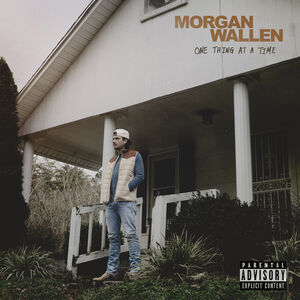
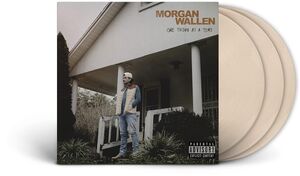
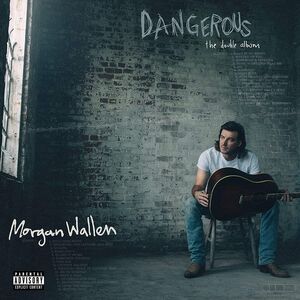
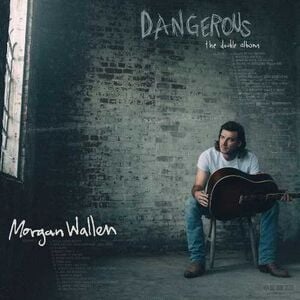
Yes — more than ever. Modern stars like Luke Combs, Morgan Wallen, and Lainey Wilson carry its storytelling spirit into a new generation.