Sale 10% Off Your First Order

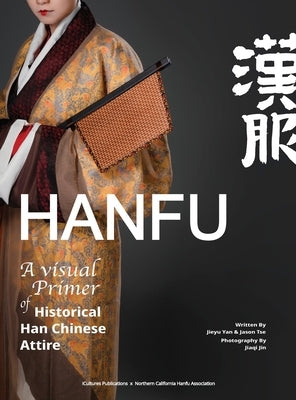
作为全球第一本用英文撰写来介绍汉服的图文书籍,本书由北加州汉服社团队策划创作,系统性展示了汉服的发展演变。汉族是中国人口最多的民族,汉服则是清代以前汉族的传统服饰,承载着深厚的文化与历史记忆。全书图文并茂,复原并拍摄了从东周至明代不同时期的汉族服饰,涵盖帝后、士人、贵妇、平民、儿童、军士等多重身份人士的装束。除丝绸、棉布等常见材质外,书中还介绍了以竹、棕榈叶等异材质制成的竹衣、蓑衣等古代实用服饰,展现古人衣物在功能与文化上的多重面向。
每一套服饰均依据出土文物、古画、文献资料精心考证,并配有相关文物图像作为旁证,使读者在赏析精美图片的同时,更能深入理解其历史背景与文化意义。书中亦探讨汉服与多元文明的互动:如唐代受中亚影响的胡服风尚,元代汉族女装中的蒙古元素,明代男装中融合北族辫线袍制的"弋撒"等,凸显中华传统服饰体系在传承中不断吸收、融合、演化的历程。
本书适合对中华服饰史、传统文化、视觉传达、服装史、人类学及东亚研究感兴趣的读者阅读,亦可作为博物馆、图书馆、学术机构和多元文化教育的重要参考资料。我们希望通过本书,帮助来自不同族裔背景的读者直观了解华裔社区的文明、传统与文化遗产,建设当代的多元化社区贡献一己之力,也为有志于理解东方文明的西方读者,搭建一座通往传统中华文化的桥梁。
The first illustrated English-language book dedicated entirely to Hanfu, the traditional clothing of the Han people of China, this publication was conceived of and created by the Northern California Hanfu Association to offer a comprehensive presentation of Hanfu's historical evolution. Richly illustrated throughout, the book features faithfully reconstructed and photographed outfits spanning 2,000 years from the Zhou Dynasty to the Ming Dynasty, representing people from all levels of society-emperors and empresses, scholars and nobles, gentlewomen, commoners, children, and soldiers.
In addition to covering garments made from familiar materials like silk and cotton, the book also introduces lesser-known practical clothing made from alternative materials such as bamboo and palm leaves, such as rain capes and workwear. These examples reveal the functional, environmental, and cultural dimensions of early clothing traditions.
Each outfit is the result of careful research grounded in archaeological evidence, ancient paintings, and historical texts. Photographs of related artifacts accompany the costume images to provide visual corroboration, allowing readers to appreciate not only the beauty of the clothing but also the underlying historical context and cultural meaning.
The book also explores the dynamic interactions between Han Chinese and other peoples as reflected in clothing tradition. From the Central Asian-influenced fashions of the Tang Dynasty, to Mongol elements in Yuan Dynasty women's attire, to the "yisā" robe in the Ming Dynasty reflecting steppe tailoring traditions, read