Self-Help Psychology books explore practical strategies for improving mental well-being, emotional balance, and everyday functioning through evidence-based psychological principles. Rather than relying on vague inspiration, this category focuses on scientifically grounded approaches drawn from cognitive-behavioral therapy (CBT), positive psychology, behavioral science, and resilience research. If you're looking to improve habits, manage anxiety, strengthen relationships, or build a healthier mindset, discover our Self-Help Psychology Books collection and explore expert resources designed to support lasting personal change.

Self-help psychology is most effective when it blends research with application. It translates clinical insights into tools individuals can use independently to improve thought patterns, behaviors, and emotional responses.

Change begins with awareness — and continues with action.

Why Readers Turn to Self-Help Psychology Books

Readers choose self-help psychology books to address specific life challenges and build stronger coping skills. Common interests include:

  • Managing stress and anxiety

  • Improving self-esteem and confidence

  • Building healthier habits

  • Overcoming procrastination

  • Strengthening communication and relationships

These books are widely used by individuals, coaches, therapists, and professionals seeking practical psychological tools.

What Defines Self-Help Psychology

Self-help psychology typically focuses on:

  • Cognitive Restructuring
    Identifying and changing unhelpful thought patterns

  • Behavioral Activation
    Taking structured action to improve mood and productivity

  • Emotional Regulation
    Managing strong feelings constructively

  • Goal-Directed Change
    Applying measurable systems for improvement

Together, these approaches help transform psychological theory into everyday practice.

Key Themes in Self-Help Psychology Books

This collection may include works exploring themes such as:

  • Mindset and Belief Systems
    Shifting from fixed to growth-oriented thinking

  • Habit Formation
    Building sustainable daily routines

  • Resilience and Coping
    Responding to setbacks effectively

  • Self-Compassion
    Reducing self-criticism and shame

  • Personal Responsibility
    Taking ownership of change

These themes emphasize empowerment through structured psychological insight.

Anxiety, Mood, and Mental Wellness

A central focus of many self-help psychology books is mental health improvement. Topics often include:

  • Managing intrusive thoughts

  • Reducing rumination

  • Cognitive-behavioral coping exercises

  • Exposure techniques for fear

  • Building emotional flexibility

Research-based tools can significantly improve well-being when practiced consistently.

Productivity and Life Organization

Self-help psychology also addresses practical life systems. Books in this field frequently explore:

  • Time management strategies

  • Overcoming procrastination

  • Decision-making frameworks

  • Motivation systems

  • Accountability techniques

Psychological insight supports both emotional and functional improvement.

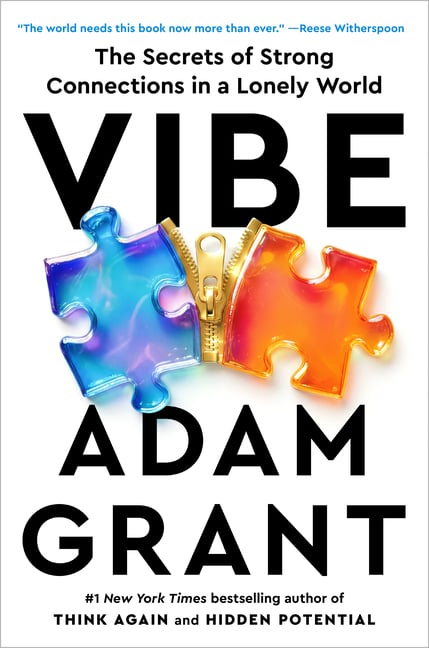
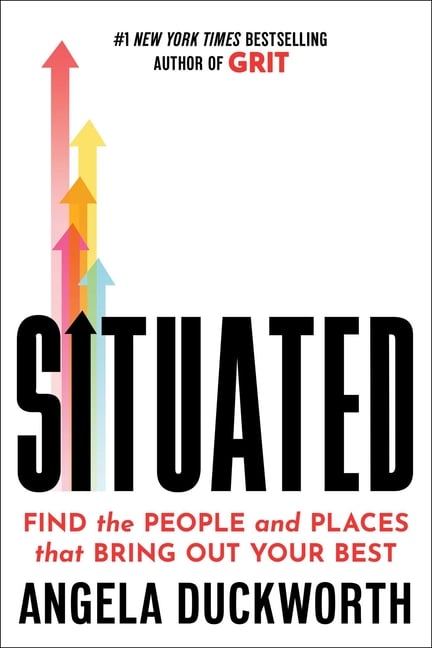
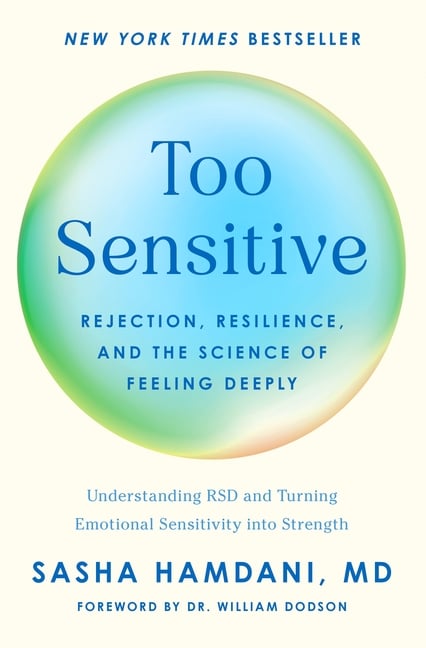
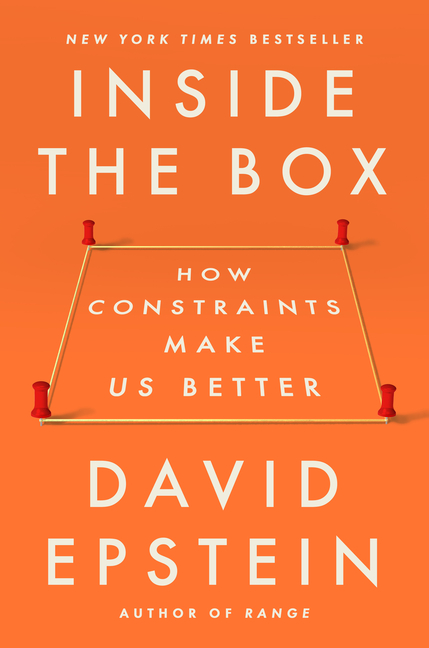
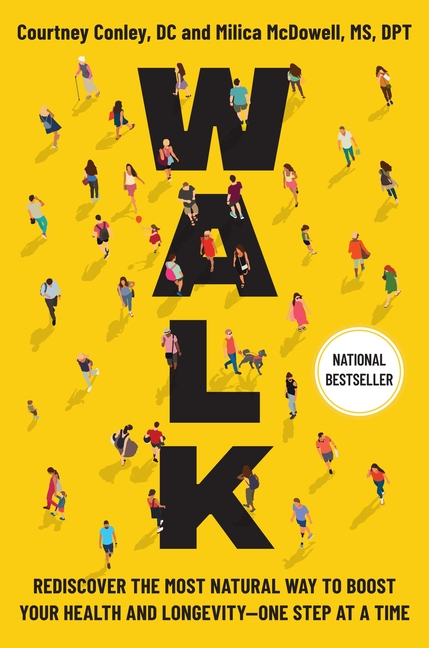
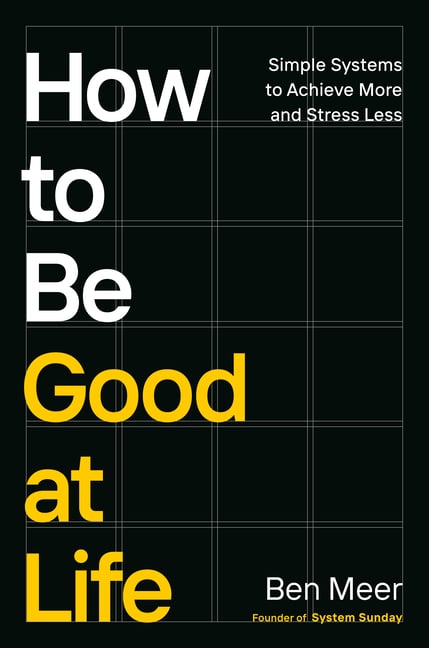
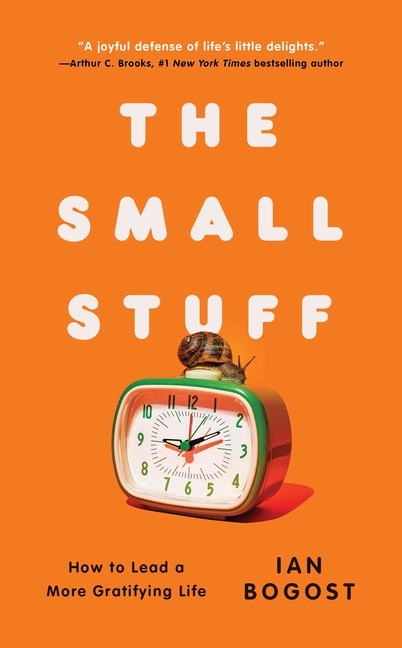
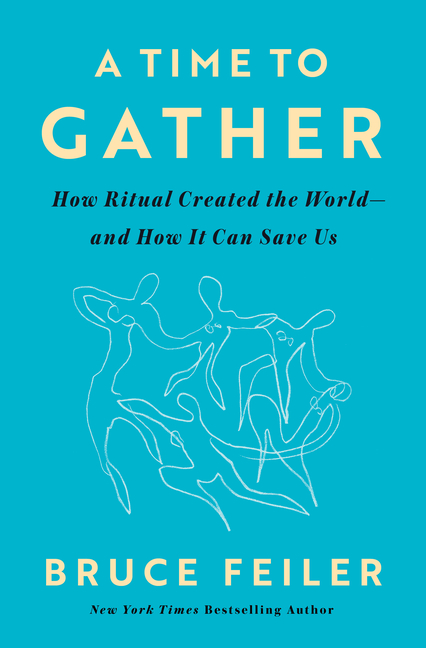
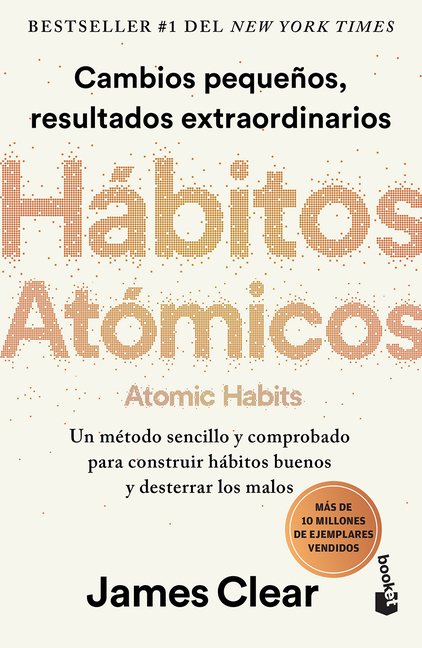
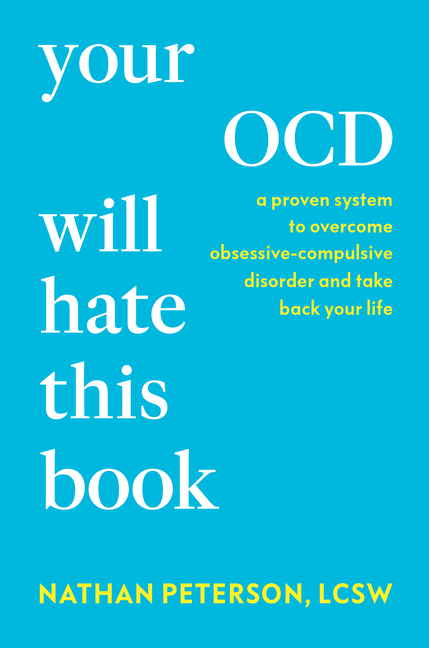
5 Popular Self-Help Psychology Books

If you’re looking for influential and widely read titles in this category, these books are frequently recommended:

These titles combine psychological research with practical, step-by-step guidance.

How to Choose the Right Self-Help Psychology Book

The right book depends on your primary goals. Consider whether you’re seeking:

  • Anxiety and stress reduction strategies

  • Confidence and self-esteem development

  • Habit and productivity systems

  • Relationship and communication tools

  • Long-term mindset transformation

Choosing based on your immediate challenge increases the likelihood of meaningful results.

Applying Self-Help Psychology Effectively

Self-help psychology works best when actively practiced. Many readers benefit from:

  • Completing exercises consistently

  • Tracking behavior and mood changes

  • Challenging cognitive distortions

  • Setting realistic, measurable goals

  • Reviewing progress regularly

Insight alone does not create change — structured action does.

Summary

Self-Help Psychology books translate psychological research into practical tools for everyday life.

  • Study of cognitive and behavioral change strategies

  • Examination of stress, habits, and emotional regulation

  • Insight into resilience, mindset, and self-compassion

  • Actionable frameworks for long-term improvement

If you want science-based strategies for improving mental clarity, confidence, and daily performance, discover our Self-Help Psychology Books collection and explore resources designed to support lasting transformation.

FAQs

What is self-help psychology?
Self-help psychology applies evidence-based psychological principles to personal development and everyday challenges.

Are self-help psychology books scientifically grounded?
Many are based on established research in cognitive-behavioral therapy, behavioral science, and positive psychology.

Can self-help books replace therapy?
They can be helpful tools, but they do not replace professional mental health treatment when needed.

Do self-help psychology books include exercises?
Yes. Many include structured activities, reflection prompts, and behavioral techniques.

Why read self-help psychology books?
Because understanding the science of thought and behavior empowers individuals to create meaningful, sustainable change.

Self-Help Psychology Books

Self-Help Psychology books explore practical strategies for improving mental well-being, emotional balance, and everyday functioning through evidence-based psychological principles. Rather than relying on vague inspiration, this category focuses on scientifically grounded approaches drawn from cognitive-behavioral therapy (CBT), positive psychology, behavioral science, and resilience research. If you're looking to improve habits, manage anxiety, strengthen relationships, or build a healthier mindset, discover our Self-Help Psychology Books collection and explore expert resources designed to support lasting personal change.

Self-help psychology is most effective when it blends research with application. It translates clinical insights into tools individuals can use independently to improve thought patterns, behaviors, and emotional responses.

Change begins with awareness — and continues with action.

Why Readers Turn to Self-Help Psychology Books

Readers choose self-help psychology books to address specific life challenges and build stronger coping skills. Common interests include:

  • Managing stress and anxiety

  • Improving self-esteem and confidence

  • Building healthier habits

  • Overcoming procrastination

  • Strengthening communication and relationships

These books are widely used by individuals, coaches, therapists, and professionals seeking practical psychological tools.

What Defines Self-Help Psychology

Self-help psychology typically focuses on:

  • Cognitive Restructuring
    Identifying and changing unhelpful thought patterns

  • Behavioral Activation
    Taking structured action to improve mood and productivity

  • Emotional Regulation
    Managing strong feelings constructively

  • Goal-Directed Change
    Applying measurable systems for improvement

Together, these approaches help transform psychological theory into everyday practice.

Key Themes in Self-Help Psychology Books

This collection may include works exploring themes such as:

  • Mindset and Belief Systems
    Shifting from fixed to growth-oriented thinking

  • Habit Formation
    Building sustainable daily routines

  • Resilience and Coping
    Responding to setbacks effectively

  • Self-Compassion
    Reducing self-criticism and shame

  • Personal Responsibility
    Taking ownership of change

These themes emphasize empowerment through structured psychological insight.

Anxiety, Mood, and Mental Wellness

A central focus of many self-help psychology books is mental health improvement. Topics often include:

  • Managing intrusive thoughts

  • Reducing rumination

  • Cognitive-behavioral coping exercises

  • Exposure techniques for fear

  • Building emotional flexibility

Research-based tools can significantly improve well-being when practiced consistently.

Productivity and Life Organization

Self-help psychology also addresses practical life systems. Books in this field frequently explore:

  • Time management strategies

  • Overcoming procrastination

  • Decision-making frameworks

  • Motivation systems

  • Accountability techniques

Psychological insight supports both emotional and functional improvement.

5 Popular Self-Help Psychology Books

If you’re looking for influential and widely read titles in this category, these books are frequently recommended:

These titles combine psychological research with practical, step-by-step guidance.

How to Choose the Right Self-Help Psychology Book

The right book depends on your primary goals. Consider whether you’re seeking:

  • Anxiety and stress reduction strategies

  • Confidence and self-esteem development

  • Habit and productivity systems

  • Relationship and communication tools

  • Long-term mindset transformation

Choosing based on your immediate challenge increases the likelihood of meaningful results.

Applying Self-Help Psychology Effectively

Self-help psychology works best when actively practiced. Many readers benefit from:

  • Completing exercises consistently

  • Tracking behavior and mood changes

  • Challenging cognitive distortions

  • Setting realistic, measurable goals

  • Reviewing progress regularly

Insight alone does not create change — structured action does.

Summary

Self-Help Psychology books translate psychological research into practical tools for everyday life.

  • Study of cognitive and behavioral change strategies

  • Examination of stress, habits, and emotional regulation

  • Insight into resilience, mindset, and self-compassion

  • Actionable frameworks for long-term improvement

If you want science-based strategies for improving mental clarity, confidence, and daily performance, discover our Self-Help Psychology Books collection and explore resources designed to support lasting transformation.

FAQs

What is self-help psychology?
Self-help psychology applies evidence-based psychological principles to personal development and everyday challenges.

Are self-help psychology books scientifically grounded?
Many are based on established research in cognitive-behavioral therapy, behavioral science, and positive psychology.

Can self-help books replace therapy?
They can be helpful tools, but they do not replace professional mental health treatment when needed.

Do self-help psychology books include exercises?
Yes. Many include structured activities, reflection prompts, and behavioral techniques.

Why read self-help psychology books?
Because understanding the science of thought and behavior empowers individuals to create meaningful, sustainable change.

Filter

Filter and sort

Filter

7180 products

7180 products

7180 products

$21.99 $23.49
$21.99 $23.49
$15.99 $18.00
$15.99 $18.00
$20.99 $29.00
$20.99 $29.00
$14.99 $19.99
$14.99 $19.99
$35.99 $50.00
$35.99 $50.00
$17.99 $24.00
$17.99 $24.00
Shopping cart

Your cart is empty.

Return to shop