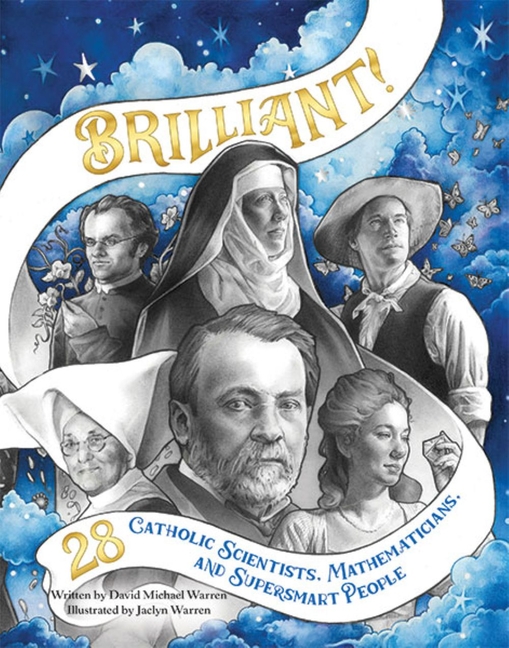
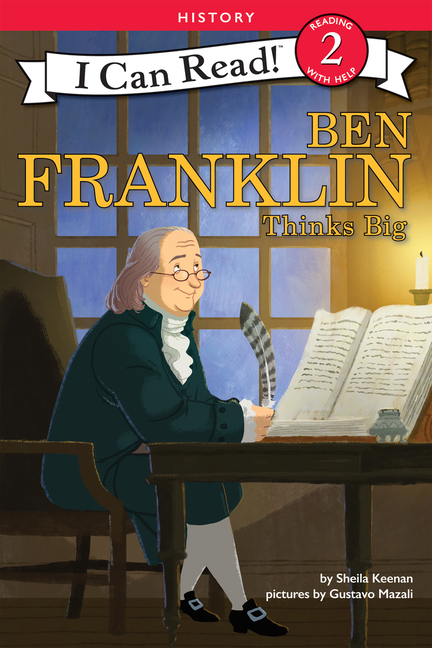
Explore our Scientist Biography Books collection and discover the lives of pioneering thinkers whose discoveries transformed our understanding of the natural world. This curated category brings together biographies of physicists, chemists, biologists, astronomers, and other scientific innovators who advanced knowledge through research, experimentation, and groundbreaking ideas. Whether studying the history of science or exploring the personal stories behind major discoveries, this collection provides structured insight into the individuals who shaped modern scientific thought.
From early scientific revolutionaries to contemporary researchers, these books highlight the curiosity, persistence, and intellectual breakthroughs that drive scientific progress.
Why Readers Choose Scientist Biography Books
Readers turn to this category to:
-
Learn about the lives of influential scientists
-
Understand the context behind major discoveries
-
Explore the development of scientific disciplines
-
Study the challenges and breakthroughs in research
-
Gain inspiration from scientific curiosity and innovation
-
Connect scientific ideas with the people who created them
These biographies combine scientific history with compelling personal narratives.
What Defines This Collection
Scientist biographies focus on individuals whose work significantly expanded knowledge in the natural sciences.
Physicists
Biographies of scientists who explored the laws of matter, energy, motion, and the fundamental structure of the universe.
Chemists
Books covering pioneers who advanced the study of chemical reactions, materials, and molecular structure.
Biologists
Works focused on researchers who investigated living organisms, evolution, genetics, and ecosystems.
Astronomers & Space Scientists
Biographies examining figures who studied the cosmos, planetary systems, and the structure of the universe.
Together, these scientists represent major breakthroughs across scientific fields.
Key Themes You’ll Discover
-
Discovery and experimentation
-
Scientific curiosity and perseverance
-
Development of major scientific theories
-
Collaboration and academic competition
-
Technological innovation
-
The relationship between science and society
These themes illustrate how scientific progress emerges from both individual insight and collective effort.
5 Popular Scientist Biography Titles
-
Einstein: His Life and Universe by Walter Isaacson
-
The Man Who Knew Infinity by Robert Kanigel
-
Rosalind Franklin: The Dark Lady of DNA by Brenda Maddox
-
American Prometheus by Kai Bird and Martin J. Sherwin
-
Surely You're Joking, Mr. Feynman! by Richard P. Feynman
Who These Books Are For
-
Students studying science or history of science
-
Readers interested in major scientific discoveries
-
Educators building science-related reading lists
-
Science enthusiasts seeking deeper context
-
Gift buyers selecting inspiring nonfiction
This collection offers insight into the lives and discoveries of scientists who reshaped human knowledge.
Summary
The Scientist Biography Books collection highlights the lives and achievements of researchers who transformed our understanding of the natural world. Through biographies of physicists, chemists, biologists, and astronomers, these books connect scientific breakthroughs with the individuals behind them. Designed for both academic study and general interest, this category provides an engaging perspective on the history of scientific discovery.
FAQ
What is included in scientist biographies?
These books typically explore a scientist’s life, research, discoveries, and the historical context of their work.
Do these books focus on specific scientific fields?
Yes. Many biographies focus on scientists from fields such as physics, chemistry, biology, and astronomy.
Are these books suitable for general readers?
Yes. Many titles are written to be accessible while still explaining important scientific ideas.
Do the biographies include modern scientists?
Yes. The collection includes both historical figures and contemporary researchers.
Can students use these books for study?
Yes. Scientist biographies are often used to understand the development of major scientific theories and discoveries.