Punk music delivers raw energy, rebellious spirit, and fast, uncompromising sound that challenges convention. Explore punk music to discover influential bands, underground scenes, and powerful tracks that shaped counterculture and continue to inspire new generations.
From the Underground to the Uprising
Punk exploded in the mid-1970s as a response to commercialized rock and social disillusionment. In grim clubs across New York and London, young musicians picked up guitars and played fast, raw, and loud — even if they barely knew how.
Bands like The Ramones, Sex Pistols, and The Clash turned noise into protest and simplicity into power.
It wasn’t just music — it was a statement: anyone can create, resist, and belong.
The Evolution of Punk Sound & Spirit
-
Proto-Punk (Late 1960s–Early 1970s): The spark before the explosion — The Stooges, MC5, New York Dolls.
-
First Wave Punk (Mid–Late 1970s): Fast, furious, and political — The Sex Pistols, The Clash, Ramones, Buzzcocks.
-
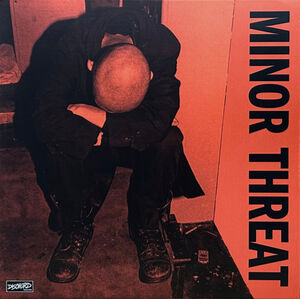
Hardcore Punk (1980s): Faster, louder, and angrier — Black Flag, Dead Kennedys, Minor Threat.
-
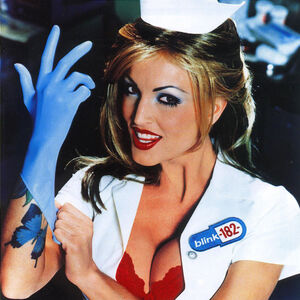
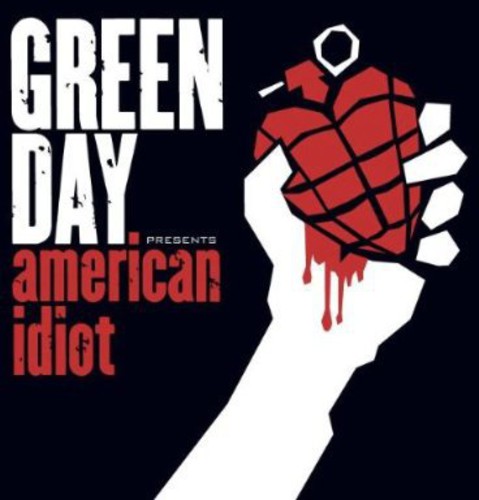
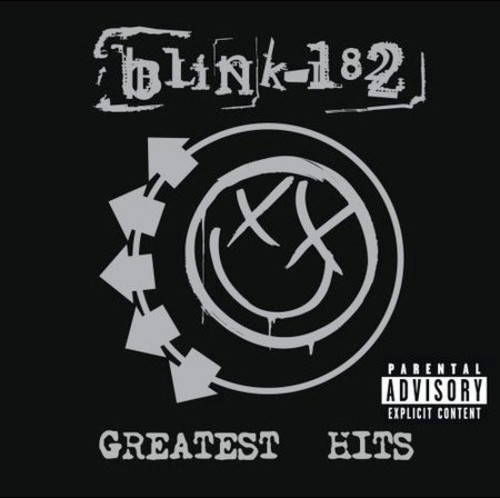
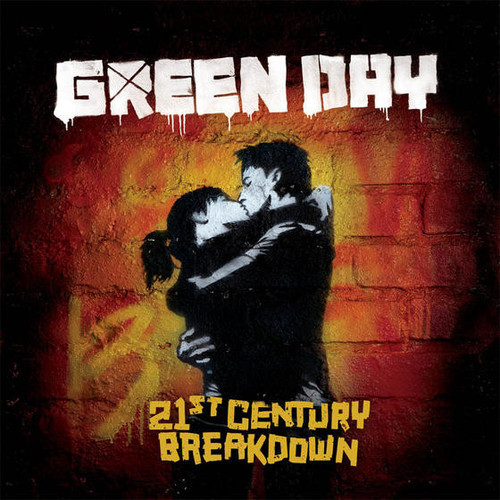
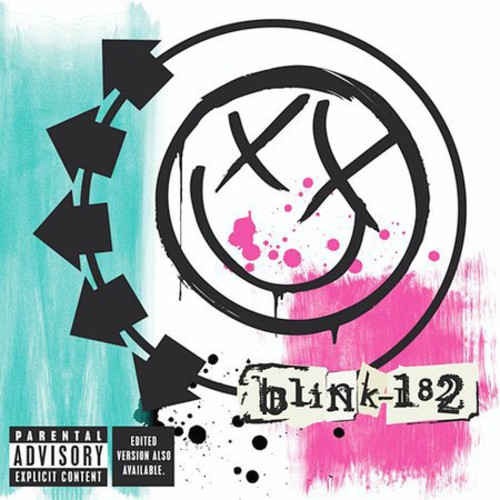
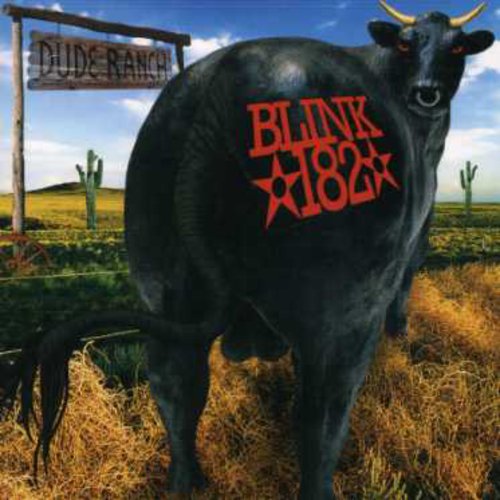
Pop-Punk & Alternative (1990s–2000s): Melodic and accessible — Green Day, Blink-182, The Offspring, Sum 41.
-
Modern & Post-Punk Revival: A mix of grit and groove — IDLES, Fontaines D.C., Paramore, Turnstile.
Each generation redefined rebellion — proving punk isn’t a phase; it’s a mindset.
The Meaning Behind the Mayhem
Punk is about freedom through simplicity. It rejects perfection in favor of honesty, trading polish for passion. Its lyrics speak of politics, alienation, love, and rage — but always with truth.
At its core, punk stands for empowerment: do it yourself, question authority, and live by your own rules.
It’s not about chaos — it’s about control of your own voice.
Our Picks – Essential Punk Albums & Artists
The Ramones – Ramones (1976)
Fast, simple, and iconic — the record that ignited punk’s global flame.
Sex Pistols – Never Mind the Bollocks, Here’s the Sex Pistols (1977)
Pure anarchy and attitude — a cultural revolution pressed to vinyl.
The Clash – London Calling (1979)
Political fire meets musical evolution — punk with purpose and soul.
Black Flag – Damaged (1981)
Hardcore rage and rebellion — the blueprint for underground aggression.
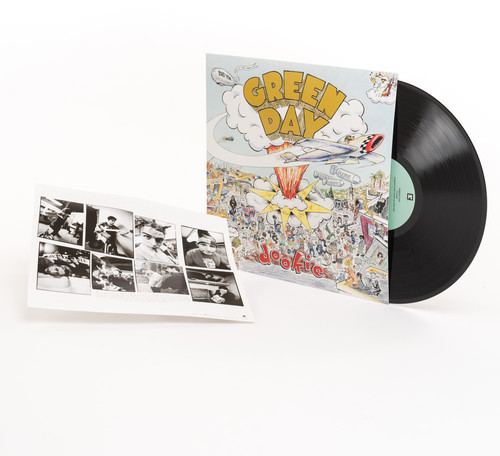
Green Day – Dookie (1994)
Pop-punk perfection — catchy, cynical, and endlessly influential.
Blink-182 – Enema of the State (1999)
Irreverent and infectious — youthful energy turned mainstream.
IDLES – Joy as an Act of Resistance (2018)
Modern punk power — raw emotion meets unity and strength.
Summary
Punk music is more than rebellion — it’s raw honesty turned into art. It:
-
Stripped music to its essentials and gave voice to the voiceless
-
Blended aggression with authenticity and purpose
-
Sparked a cultural revolution that still inspires new artists
-
Proved that imperfection is power and individuality is strength
Live loud, live real — browse our Punk Music collection and experience the energy, chaos, and freedom that made punk a movement that never dies.
FAQs
What defines punk music?
Fast tempos, simple chords, and rebellious lyrics — built on energy, emotion, and defiance rather than technical perfection.
When did punk music begin?
In the mid-1970s, with roots in garage rock and proto-punk acts like The Stooges and MC5, before exploding in New York and London.
Who are the most influential punk bands?
The Ramones, The Sex Pistols, and The Clash defined early punk, while Green Day and Blink-182 brought it to new generations.
What does punk stand for culturally?
DIY creativity, anti-establishment ideals, and self-expression — it’s about challenging norms and embracing authenticity.
Is punk music still alive today?
Absolutely — modern acts like IDLES, Turnstile, and Amyl and the Sniffers keep the punk spirit alive with fresh energy and purpose.


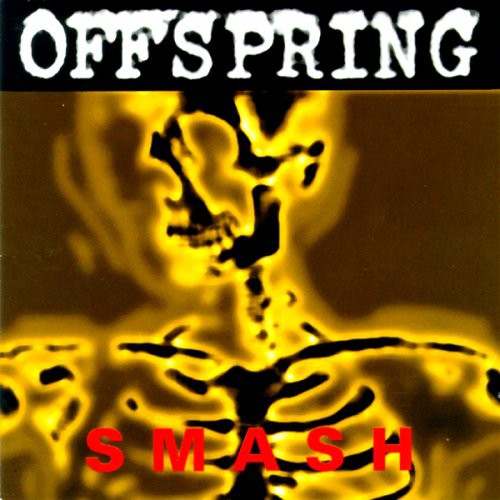
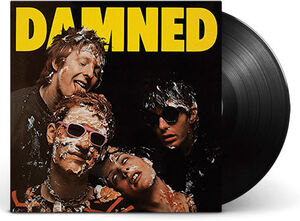
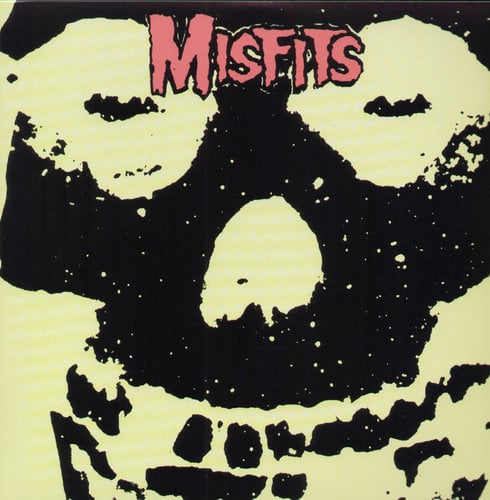
![Smash [Reissue] [Remastered]](https://img.surprisecastle.com/img/media/graphics/items/sdimages/a/500/2/4/7/2/1352742.jpg)









![American Idiot [With Poster]](https://img.surprisecastle.com/img/media/graphics/items/sdimages/a/500/3/1/9/8/1568913.jpg)



![Kerplunk [With 7" Single]](https://img.surprisecastle.com/img/mediacdn/prod-img/300/92/1418992-3457448.jpg)