Philosophy by Era
Explore our Philosophy by Era collection and examine the evolution of philosophical thought across distinct historical periods. This curated category brings together history of philosophy, ancient philosophy, medieval philosophy, and modern philosophy — offering structured access to foundational thinkers, intellectual movements, and transformative ideas. Whether studying academic philosophy or exploring core questions about knowledge, ethics, and existence, this collection provides clear chronological organization for deeper understanding.
From early metaphysical inquiry to Enlightenment rationalism and modern critical theory, these books trace the development of philosophical reasoning across centuries.
Why Readers Choose Philosophy by Era
Organizing philosophy by era helps readers understand how ideas evolved within historical and cultural contexts. Readers turn to this category to:
-
Study foundational philosophers in chronological order
-
Understand shifts in metaphysics, ethics, and political theory
-
Explore the influence of religion and science on philosophy
-
Compare ancient, medieval, and modern frameworks
-
Build structured academic reading plans
-
Gain historical perspective on contemporary debates
This format supports systematic learning and intellectual progression.
What Defines This Collection
The Philosophy by Era collection groups works according to major philosophical periods.
History of Philosophy
Comprehensive overviews tracing philosophical development across civilizations, outlining major thinkers, schools of thought, and key debates.
Ancient Philosophy
Works focused on classical Greek and Roman thinkers, including early metaphysics, virtue ethics, logic, and political philosophy.
Medieval Philosophy
Books examining philosophical thought shaped by religious tradition, scholasticism, and the integration of faith and reason.
Modern Philosophy
Titles exploring Enlightenment rationalism, empiricism, existentialism, critical theory, and contemporary analytical traditions.
Together, these eras illustrate the progression from classical foundations to modern intellectual frameworks.
Key Themes You’ll Discover
-
Nature of knowledge and truth
-
Ethics and moral responsibility
-
Political authority and justice
-
Faith and reason
-
Human nature and identity
-
Logic and critical inquiry
These themes demonstrate how philosophical questions persist while interpretations evolve.
5 Popular Titles in Philosophy by Era
Who These Books Are For
-
Philosophy students and scholars
-
Readers exploring intellectual history
-
Educators building structured curricula
-
Individuals interested in ethics and political theory
-
Lifelong learners seeking foundational texts
This collection provides chronological access to major philosophical traditions.
Summary
The Philosophy by Era collection organizes history of philosophy, ancient philosophy, medieval philosophy, and modern philosophy into a clear chronological framework. By grouping works according to historical development, this category supports structured study and deeper understanding of how philosophical ideas evolved over time. Designed for academic and personal exploration, these books illuminate the foundations of Western intellectual thought.
FAQ
What does philosophy by era mean?
Philosophy by era organizes books according to major historical periods of philosophical development.
What is included in ancient philosophy?
Ancient philosophy typically focuses on Greek and Roman thinkers addressing ethics, politics, metaphysics, and logic.
How is medieval philosophy different?
Medieval philosophy often integrates religious doctrine with classical philosophical reasoning.
What defines modern philosophy?
Modern philosophy includes Enlightenment thought, rationalism, empiricism, existentialism, and contemporary analytical approaches.
Is this category suitable for academic study?
Yes. Chronological organization supports structured coursework and philosophical research.


21618 Results
21618 Results


Along the Ramayana Trail: A Cultural Journey Across India and Sri Lanka





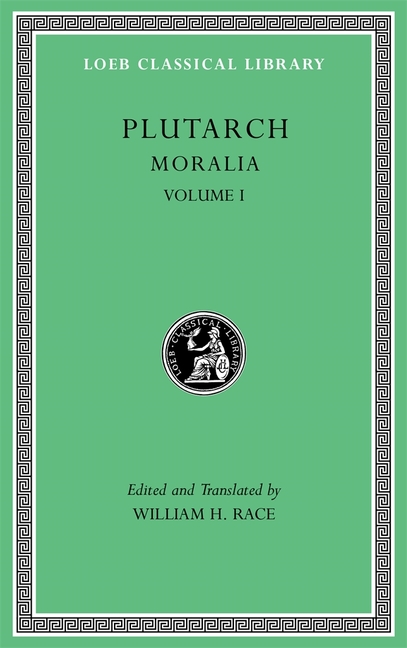
Moralia, Volume I: The Education of Children. How the Young Man Should Study Poetry. on Listening to Lectures. How to Tell a Flatterer from a Friend.

The Birth of Tragedy / Unpublished Basel Writings (Winter 1869/70-Fall 1873): Volume 1


The Way of the Warrior: The Way of the Samurai, the Art of War, the Book of Five Rings

Discourses of the Elders: The Aztec Huehuetlatolli a First English Translation


The Mathematical Principles of Natural Philosophy: Philosophiae Naturalis Principia Mathematica


Principles of Human Knowledge and Three Dialogues Between Hylas and Philonous


Descartes: Meditations on First Philosophy: With Selections from the Objections and Replies

Discourse on Voluntary Servitude: Why People Enslave Themselves to Authority