
Medieval Philosophy Books


897 Results
897 Results
Self-Help from the Middle Ages: What the Seven Deadly Sins Can Teach Us about Living
Self-Help from the Middle Ages: What the Seven Deadly Sins Can Teach Us about Living
$20.99
The Prophet: The Original 1923 Edition With Complete Illustrations (A Classics Kahlil Gibran Novel)
-25%
The Prophet: The Original 1923 Edition With Complete Illustrations (A Classics Kahlil Gibran Novel)
$5.99
$7.99




Lost Enlightenment: Central Asia's Golden Age from the Arab Conquest to Tamerlane
-28%
Lost Enlightenment: Central Asia's Golden Age from the Arab Conquest to Tamerlane
$17.99
$24.95


The Prophet: The Original 1923 Edition With Complete Illustrations (A Classics Kahlil Gibran Novel)
-26%
The Prophet: The Original 1923 Edition With Complete Illustrations (A Classics Kahlil Gibran Novel)
$13.99
$18.99


Aristotle's Children: How Christians, Muslims, and Jews Rediscovered Ancient Wisdom and Illuminated the Middle Ages
-23%
Aristotle's Children: How Christians, Muslims, and Jews Rediscovered Ancient Wisdom and Illuminated the Middle Ages
$16.99
$21.95

The Art of Knowing Everything: Ramon Llull's Medieval Learning Machines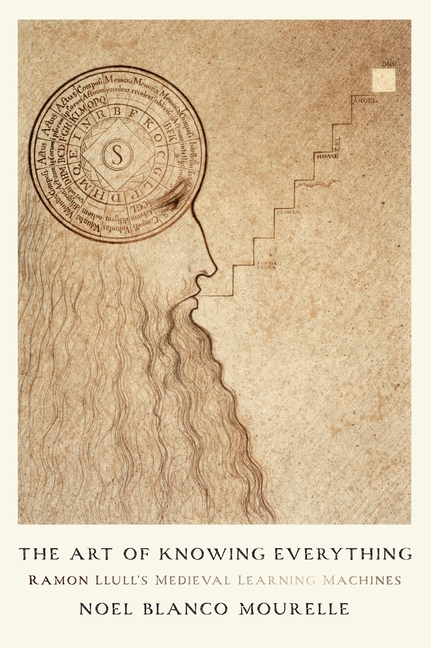
-2%
The Art of Knowing Everything: Ramon Llull's Medieval Learning Machines
$63.99
$65.00

Thomas Aquinas: Basic Philosophical Writing: From the Summa Theologiae and the Principles of Nature
Thomas Aquinas: Basic Philosophical Writing: From the Summa Theologiae and the Principles of Nature
$20.99
Socrates' Children: An Introduction to Philosophy from the 100 Greatest Philosophers: Volume II: Medieval Philosophers Volume 2
-25%
Socrates' Children: An Introduction to Philosophy from the 100 Greatest Philosophers: Volume II: Medieval Philosophers Volume 2
$14.99
$19.95


The Human Wisdom of St. Thomas: A Breviary of Philosophy from the Works of St. Thomas Aquinas
The Human Wisdom of St. Thomas: A Breviary of Philosophy from the Works of St. Thomas Aquinas
$7.99



Averroes' Tahafut Al-Tahafut: (The Incoherence of the Incoherence)
Averroes' Tahafut Al-Tahafut: (The Incoherence of the Incoherence)
$61.99


Medieval Number Symbolism: Its Sources, Meaning, and Influence on Thought and Expression
-20%
Medieval Number Symbolism: Its Sources, Meaning, and Influence on Thought and Expression
$11.99
$14.95


Maimonides and the Book That Changed Judaism: Secrets of the Guide for the Perplexed
-26%
Maimonides and the Book That Changed Judaism: Secrets of the Guide for the Perplexed
$25.99
$34.95
The Damascus Chronicle of the Crusades: Extracted and Translated from the Chronicle of Ibn Al-Qalanisi
-25%
The Damascus Chronicle of the Crusades: Extracted and Translated from the Chronicle of Ibn Al-Qalanisi
$14.99
$19.95
