Epistemology books explore the nature of knowledge: what it means to know something, how beliefs are justified, and how truth is determined. As a central branch of philosophy, epistemology examines perception, evidence, doubt, reason, and skepticism. If you’re interested in understanding how we form beliefs and distinguish knowledge from opinion, explore our Epistemology collection and discover books that investigate the foundations of truth and understanding.
Epistemology asks fundamental questions: How do we know what we know? Can knowledge ever be certain? What counts as reliable evidence? These inquiries shape science, ethics, politics, and everyday reasoning.
At its core, epistemology studies the limits and structure of human understanding.

Why Readers Turn to Epistemology Books
Readers choose epistemology books to examine how knowledge works beneath the surface. Common interests include:
-
The difference between belief and knowledge
-
The reliability of perception and memory
-
The role of reason and logic
-
Skepticism and doubt
These books encourage careful thinking about assumptions often taken for granted.
What Defines Epistemology
Epistemology focuses on the theory of knowledge. Books in this category are often defined by:
-
Analysis of justification and evidence
-
Exploration of truth and certainty
-
Study of skepticism and doubt
-
Examination of rationality and inquiry
The goal is clarity about how knowledge is formed and evaluated.
Epistemological Themes You’ll Find Here
This collection may include works covering major topics such as:
Justification and Evidence
What makes a belief reasonable or well-supported
Skepticism
Challenges to the possibility of certain knowledge
Empiricism and Rationalism
Experience versus reason as sources of knowledge
Truth and Belief
The relationship between reality and understanding
Together, these themes form the foundation of epistemological inquiry.
Perception and Reality
Many epistemology books explore how we perceive the world. Common questions include:
-
Can our senses be trusted?
-
How do illusions affect belief?
-
What is the relationship between appearance and reality?
-
How do science and observation interact?
Perception is often the starting point of knowledge.
Reason, Logic, and Inquiry
Epistemology also examines the role of reasoning. Topics often include:
Rational inquiry is central to justified belief.
Skepticism and the Limits of Knowledge
A key focus in epistemology is doubt. These books may explore:
Skepticism challenges what we assume to be true.

Popular Epistemology Books
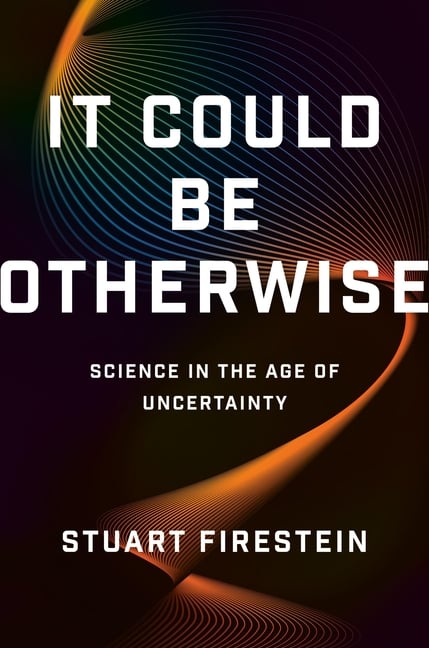
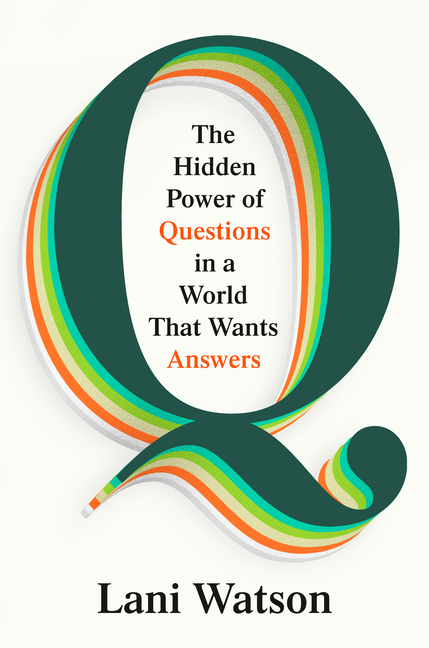
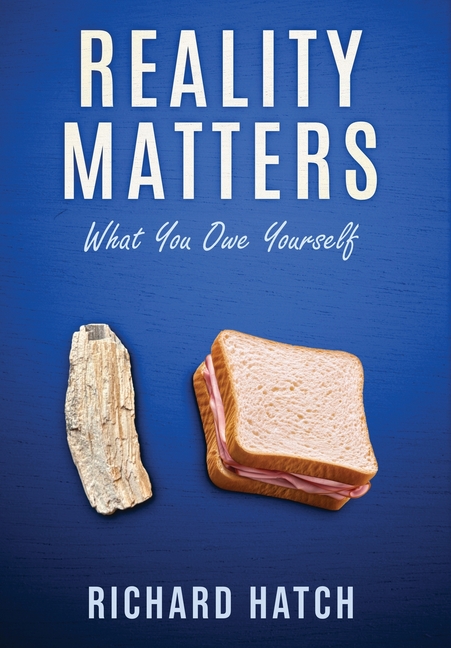
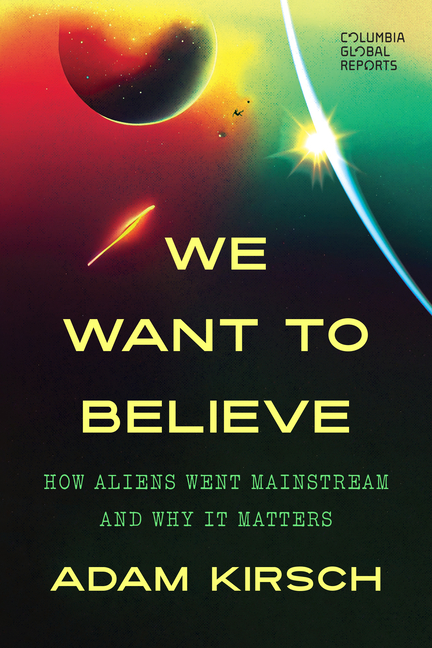
If you’re looking for influential and widely read works in epistemology, these titles are often recommended:
These works span foundational texts and modern analysis.
How to Choose the Right Epistemology Book
The right book depends on your familiarity and goals. Consider whether you’re seeking:
-
Classical philosophical texts
-
Introductory overviews
-
In-depth contemporary analysis
-
Exploration of skepticism
-
Connections between epistemology and science
Choosing by depth and approach can guide your reading.
Reading Epistemology Thoughtfully
Epistemology often requires slow, careful reading. Many readers find it helpful to:
-
Follow arguments step by step
-
Reflect on assumptions about knowledge
-
Compare empiricist and rationalist perspectives
-
Apply ideas to everyday reasoning
Understanding knowledge begins with questioning it.
Summary
Epistemology books examine how knowledge is formed, justified, and challenged.
-
Exploration of truth, belief, and evidence
-
Analysis of skepticism and certainty
-
Emphasis on rational inquiry and critical thinking
If you want to explore the foundations of how we know what we know, explore our Epistemology collection and discover books that examine knowledge with precision and depth.

FAQs
What is epistemology?
It is the branch of philosophy that studies knowledge and belief.
Is epistemology abstract or practical?
It is theoretical, but its ideas influence science, law, and everyday reasoning.
Do I need a philosophy background?
Not necessarily. Some books are accessible introductions.
What is skepticism in epistemology?
It questions whether certain knowledge is possible.
Why study epistemology?
Because understanding knowledge helps clarify how we form beliefs and evaluate truth.