
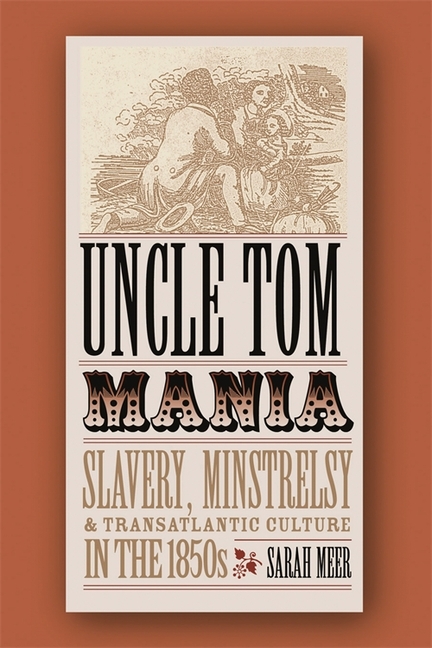
Uncle Tom Mania: Slavery, Minstrelsy, and Transatlantic Culture in the 1850s - Paperback
Pay over time for orders over $35.00 with
Offers & Perks
Earn 36 points with this purchase
Added to your rewards balance after checkout.
100 points welcome bonus
Create an account and start with extra points.
Titled after "Tom-Mania," the name a British newspaper gave to the international sensation attending the 1852 novel Uncle Tom's Cabin, this study looks anew at the novel and the songs, plays, sketches, translations, and imitations it inspired. In particular, Sarah Meer shows how the theatrical mode of blackface minstrelsy, the slavery question, and America's emerging cultural identity affected how Uncle Tom's Cabin was read, discussed, dramatized, merchandised, and politicized here and abroad.
Until Uncle Tom's Cabin, Meer says, little truly common ground existed on which the United States and Britain could debate slavery. In addition to cutting across class, gender, and national lines, the novel tapped into a huge, preexisting transatlantic appetite for blackface performance. Even as it condemned slavery, however, Uncle Tom's Cabin was ambiguous about racial equality, and it portrayed blacks in demeaning ways. This gave copycat novels and minstrel stagings leeway to stray from Harriet Beecher Stowe's intentions. Minstrel-show versions in particular had a huge influence on later incarnations of the Uncle Tom story, converting the character into "a comic, or worse, a proslavery stooge"--a scorned figure in our popular memory. To look at how and why Uncle Tom's Cabin "both advocated emancipation and licensed a plethora of racist imitators," Meer places it in the context of contemporary minstrel sketches, melodramas, songs, jokes, newspaper commentaries, slave narratives, travel writing, proslavery novels, and even Uncle Tom merchandise like china figurines and wallpaper. She goes on to discuss Harriet Beecher Stowe's travelogue Sunny Memories of Foreign Lands and her second novel, Dred. The publication of each unleashed the political energies of Uncle Tom's Cabin and its revisions yet again.Contributor(s)
Author
Free shipping on orders over $75. Standard shipping takes 3-7 business days. Returns accepted within 30 days of purchase.