Surprise Castle
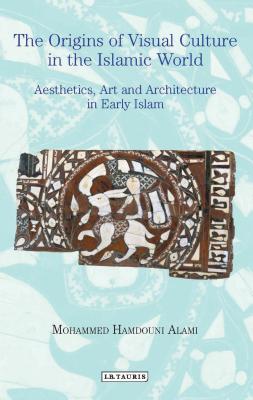
The Origins of Visual Culture in the Islamic World: Aesthetics, Art and Architecture in Early Islam

The Origins of Visual Culture in the Islamic World: Aesthetics, Art and Architecture in Early Islam - Hardcover

$192.99
Quantity
01

Pay over time for orders over $35.00 with

Offers & Perks

Earn 192 points with this purchase

Added to your rewards balance after checkout.

100 points welcome bonus

Create an account and start with extra points.

Join now
Languages:EnglishPublisher:I. B. Tauris & CompanyISBN-13:9781784530402ISBN-10:1784530409UPC:9781784530402Book Category:Art, ArchitectureBook Subcategory:Movements, History, Islamic & Middle EasternBook Topic:MedievalSize:8.68 x 5.56 x 0.56 inchesWeight:0.427Product ID:SCPNCEAET3
In tenth-century Iraq, a group of Arab intellectuals and scholars known as the Ikhwan al-Safa began to make their intellectual mark on the society around them. A mysterious organisation, the identities of its members have never been clear. But its contribution to the intellectual thought, philosophy, art and culture of the era - and indeed subsequent ones - is evident. In the visual arts, for example, Hamdouni Alami argues that the theory of human proportions which the Ikwan al-Safa propounded (something very similar to those of da Vinci), helped shape the evolution of the philosophy of aesthetics, art and architecture in the tenth and eleventh centuries CE, in particular in Egypt under the Fatimid rulers. With its roots in Pythagorean and Neoplatonic views on the role of art and architecture, the impact of this theory of specific and precise proportion was widespread. One of the results of this extensive influence is a historic shift in the appreciation of art and architecture and their perceived role in the cultural sphere. The development of the understanding of the interplay between ethics and aesthetics resulted in a movement which emphasised more abstract and pious contemplation of art, as opposed to previous views which concentrated on the enjoyment of artistic works (such as music, song and poetry). And it is with this shift that we see the change in art forms from those devoted to supporting the Umayyad caliphs and the opulence of the Abbasids, to an art which places more emphasis on the internal concepts of 'reason' and 'spirituality'.Using the example of Fatimid art and views of architecture (including the first Fatimid mosque in al-Mahdiyya, Tunisia), Hamdouni Alami offers analysis of the debates surrounding the ethics and aesthetics of the appreciation of Islamic art and architecture from a vital time in medieval Middle Eastern history, and shows their similarity with aesthetic debates of Italian Renaissance.
Languages:EnglishPublisher:I. B. Tauris & CompanyISBN-13:9781784530402ISBN-10:1784530409UPC:9781784530402Book Category:Art, ArchitectureBook Subcategory:Movements, History, Islamic & Middle EasternBook Topic:MedievalSize:8.68 x 5.56 x 0.56 inchesWeight:0.427Product ID:SCPNCEAET3

Mohammed Hamdouni Alami is Associate Researcher in the Archaeological Research Facility at the University of California, Berkeley, USA. He was formerly Professor of Architecture and Art History at the Ecole Nationale D'Architecture in Rabat and holds a PhD from the University of California, Berkeley. He is the author of Art and Architecture in the Islamic Tradition: Aesthetics, Politics and Desire in Early Islam (I.B.Tauris, 2010, 2013).


Publisher: I. B. Tauris & Company

Free shipping on orders over $75. Standard shipping takes 3-7 business days. Returns accepted within 30 days of purchase.