
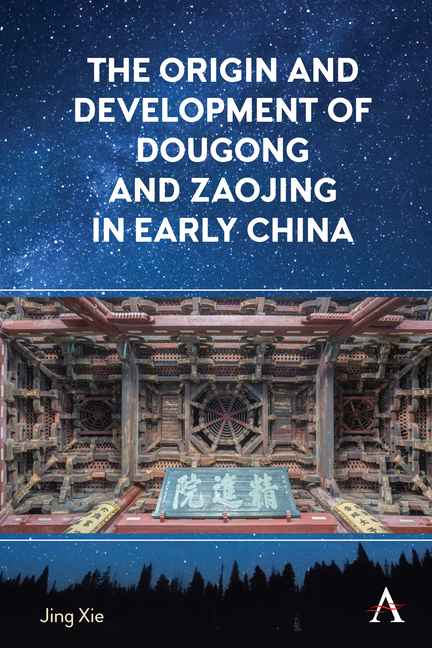
The Origin and Development of Dougong and Zaojing in Early China - Paperback
Pay over time for orders over $35.00 with
Offers & Perks
Earn 26 points with this purchase
Added to your rewards balance after checkout.
100 points welcome bonus
Create an account and start with extra points.
This book focuses on two significant architectural elements in traditional Chinese buildings, that is, Dougong and Zaojing. Dougong is a bracket set often sitting above columns and beams as a key component in the great buildings and tombs of imperial China. Zaojing is a special structure sunken into the ceiling, often profusely decorated with carvings and colorful paintings in various motifs. As sumptuary laws from imperial China stipulated, Dougong (in its multiple forms) and Zaojing used to be constructed only in the great halls of royal palaces and major religious temples.
There is ceaseless research on Dougong and Zaojing by modern architectural scholars. This is also facilitated by the heated architectural heritage conservation movement in contemporary China. As unique features that define the characteristics of traditional Chinese architecture, Dougong, and Zaojing not only widely appear in numerous counterfeit historic structures, but are also creatively revived in many cultural and commercial buildings.
This book inquires about the origin of Dougong and Zaojing in the Chinese Bronze Age, and their heavenly interpretation in the Han dynasty (206 BCE-220). Compared to their later technically oriented development during the Tang to the Qing dynasties (c. 618-1912), and their modern preservation and innovative reinterpretation, the rich cultural meanings originally embodied in Dougong and Zaojing have almost disappeared. If the important architectural elements dougong and zaojing are taken for granted as a defining identity of Chinese traditional architecture, then they are feebly reflected in modern architecture practice as a mere visual element. Considering the transcendental quality that dougong and zaojing had in the Han dynasty in effectively expressing a mystical and magical worldview, there is a tangible loss of Chinese architectural heritage today.
Jing Xie is an architectural historian with research interests in the architecture and urbanism of China. He is the author of Chinese Urbanism: Urban Form and Life in the Tang-Song Dynasties (2020) and Heritage-Led Urban Regeneration in China (2017, with Tim Heath).
Free shipping on orders over $75. Standard shipping takes 3-7 business days. Eligible items may be returned within 30 days of delivery. Conditions apply.