
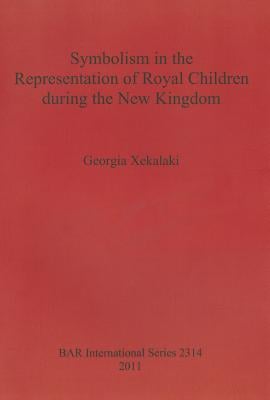
Symbolism in the Representation of Royal Children during the New Kingdom - Paperback
Pay over time for orders over $35.00 with
Offers & Perks
Earn 140 points with this purchase
Added to your rewards balance after checkout.
100 points welcome bonus
Create an account and start with extra points.
The subject of this work is the way that symbolism operates in official representations of the pharaohs' sons and daughters, during the historical period widely known as the New Kingdom (1550-1069 BC). The use of symbols in different expressions of Egyptian culture has been widely mentioned, and has been discussed from many different angles. Scholars have also analysed the identity and function of various royal children through historical and genealogical works. However, there has been little attempt to associate general ideas about visual and verbal symbolism with a socially homogeneous group such as the royal children. The author therefore aims to explore and explain what lies beneath the choice, the variation and the evolution of symbols used in the royal children's iconography and imagery. The area of Egyptian culture that was most affected by this symbolism is essentially the royal ideology. In the course of the five chapters of this work the author explains not only the role of royal children in analogies between divine and royal families, but also how the royal children became an official link between the king and leading non-royals.
Contributor(s)
Author
Free shipping on orders over $75. Standard shipping takes 3-7 business days. Eligible items may be returned within 30 days of delivery. Conditions apply.