
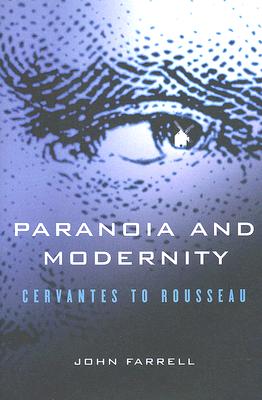
Paranoia and Modernity: Cervantes to Rousseau - Hardcover
Pay over time for orders over $35.00 with
Offers & Perks
Earn 68 points with this purchase
Added to your rewards balance after checkout.
100 points welcome bonus
Create an account and start with extra points.
"Don Quixote is the first great modern paranoid adventurer.... Grandiosity and persecution define the characters of Swift's Gulliver, Stendhal's Julien Sorel, Melville's Ahab, Dostoyevsky's Underground Man, Ibsen's Masterbuilder Solness, Strindberg's Captain (in The Father), Kafka's K., and Joyce's autobiographical hero Stephen Dedalus.... The all-encompassing conspiracy, very much in its original Rousseauvian cast, has become almost the normal way of representing society and its institutions since World War Two, giving impetus to heroic plots and counter-plots in a hundred films and in the novels of Burroughs, Heller, Ellison, Pynchon, Kesey, Mailer, DeLillo, and others."--from Paranoia and Modernity
Paranoia, suspicion, and control have preoccupied key Western intellectuals since the sixteenth century. Paranoia is a dominant concern in modern literature, and its peculiar constellation of symptoms--grandiosity, suspicion, unfounded hostility, delusions of persecution and conspiracy--are nearly obligatory psychological components of the modern hero.
How did paranoia come to the center of modern moral and intellectual consciousness? In Paranoia and Modernity, John Farrell brings literary criticism, psychology, and intellectual history to the attempt at an answer. He demonstrates the connection between paranoia and the long history of struggles over the question of agency--the extent to which we are free to act and responsible for our actions. He addresses a wide range of major authors from the late Middle Ages to the eighteenth century, among them Luther, Bacon, Cervantes, Descartes, Hobbes, Pascal, La Rochefoucauld, Swift, and Rousseau. Farrell shows how differently paranoid psychology looks at different historical junctures with different models of agency, and in the epilogue, "Paranoia and Postmodernism," he draws the implications for recent critical debates in the humanities.
John Farrell is Professor of Literature at Claremont McKenna College. He is also the author of Freud's Paranoid Quest: Psychoanalysis and Modern Suspicion.
Contributor(s)
Author
Free shipping on orders over $75. Standard shipping takes 3-7 business days. Eligible items may be returned within 30 days of delivery. Conditions apply.