
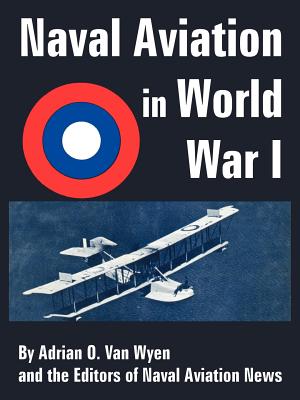
Naval Aviation in World War I - Paperback
$22.99
$24.95
-8%Quantity
01
Pay over time for orders over $35.00 with
Offers & Perks
Earn 22 points with this purchase
Added to your rewards balance after checkout.
100 points welcome bonus
Create an account and start with extra points.
Availability:In StockContributor:Adrian O. van Wyen, Naval Aviation NewsTheme:Chronological Period/1900-1919Publish date:6/22/2005Pages:96
Languages:EnglishPublisher:University Press of the PacificISBN-13:9781410223425ISBN-10:1410223426UPC:9781410223425Book Category:HistoryBook Subcategory:Military, Wars & ConflictsBook Topic:Naval, World War ISize:11.00 x 8.25 x 0.20 inchesWeight:0.236Product ID:SCHSHY84D1
When the call to battle sounded in April 1917, the Navy air arm could muster at its one air station only 48 officers and 239 enlisted men with some experience in aviation, and 54 aircraft none of which was fit for patrol service. The problems of building this small force to a effective fighting unit were enormous. Yet, the Armistice was signed 19 months later, there were 43 air stations in operation at home and abroad, an aircraft factory in production, and numerous schools, assembly plants, repair depots and other facilities providing the needed logistic support. Aviation personnel numbered over 39000, a figure nearly equal to the total in the entire Navy at the start of the war. Little has been published on the nature and extent of Naval air operations in the first World War until, in April 1967, Naval Aviation News began a series of monthly articles under the general title, "Naval Aviation in World War I." Using chronologies of significant events and narrative accounts of special phases of the war, this series told the story of how Naval Aviation met the challenge. The series was conceived by and completed under the direction of the Assistant for Aviation History, Mr. A. O. Van Wyen, who also wrote many of the articles and arranged for the writing of others. While not a definitive history, it is the first published word to deal specifically with the accomplishments of Naval Aviation in the first World War. Based on official sources as well as the recollections of participants, it is authoritatively presented through an interesting combination of official and personal accounts. It is also the history of a beginning made under stress of war---a beginning in which the men of Naval Aviation demonstrated the potential of aviation as an arm of sea power and set the course for its future growth. The success with which they carried out their task is in large measure responsible for the position of aviation at the forefront of Naval power today. T. F. Connoly Vice Admiral, USN Deputy Chief of Naval Operations (Air)
Languages:EnglishPublisher:University Press of the PacificISBN-13:9781410223425ISBN-10:1410223426UPC:9781410223425Book Category:HistoryBook Subcategory:Military, Wars & ConflictsBook Topic:Naval, World War ISize:11.00 x 8.25 x 0.20 inchesWeight:0.236Product ID:SCHSHY84D1
Publisher: University Press of the Pacific
Contributor(s)
Free shipping on orders over $75. Standard shipping takes 3-7 business days. Eligible items may be returned within 30 days of delivery. Conditions apply.