
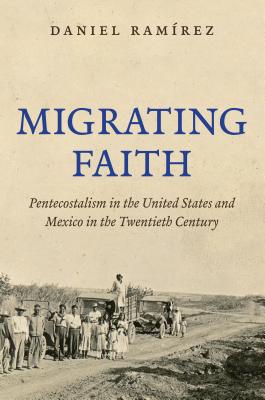
Migrating Faith: Pentecostalism in the United States and Mexico in the Twentieth Century - Paperback
Pay over time for orders over $35.00 with
Offers & Perks
Earn 39 points with this purchase
Added to your rewards balance after checkout.
100 points welcome bonus
Create an account and start with extra points.
Daniel Ramírez's history of twentieth-century Pentecostalism in the U.S.-Mexico borderlands begins in Los Angeles in 1906 with the eruption of the Azusa Street Revival. The Pentecostal phenomenon -- characterized by ecstatic spiritual practices that included speaking in tongues, perceptions of miracles, interracial mingling, and new popular musical worship traditions from both sides of the border -- was criticized by Christian theologians, secular media, and even governmental authorities for behaviors considered to be unorthodox and outrageous. Today, many scholars view the revival as having catalyzed the spread of Pentecostalism and consider the U.S.-Mexico borderlands as one of the most important fountainheads of a religious movement that has thrived not only in North America but worldwide.
Ramírez argues that, because of the distance separating the transnational migratory circuits from domineering arbiters of religious and aesthetic orthodoxy in both the United States and Mexico, the region was fertile ground for the religious innovation by which working-class Pentecostals expanded and changed traditional options for practicing the faith. Giving special attention to individuals' and families' firsthand accounts and tracing how a vibrant religious music culture tied transnational communities together, Ramírez illuminates the interplay of migration, mobility, and musicality in Pentecostalism's global boom.
Author
Free shipping on orders over $75. Standard shipping takes 3-7 business days. Eligible items may be returned within 30 days of delivery. Conditions apply.