
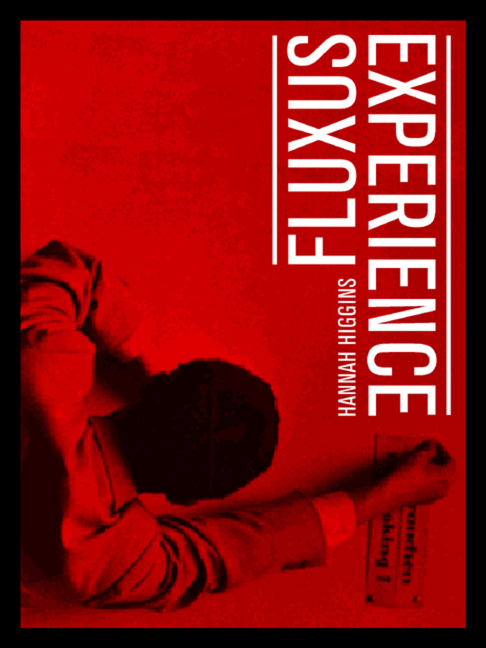
Fluxus Experience - Paperback
$40.99
Quantity
01
Pay over time for orders over $35.00 with
Offers & Perks
Earn 40 points with this purchase
Added to your rewards balance after checkout.
100 points welcome bonus
Create an account and start with extra points.
Availability:In StockContributor:Hannah HigginsTheme:Chronological Period/20th CenturyPublish date:12/12/2002Pages:278
Languages:EnglishPublisher:University of California PressISBN-13:9780520228672ISBN-10:0520228677UPC:9780520228672Book Category:ArtBook Subcategory:MovementsBook Topic:ModernismSize:8.00 x 6.00 x 0.80 inchesWeight:0.44Product ID:SC1320HSK1
In this groundbreaking work of incisive scholarship and analysis, Hannah Higgins explores the influential art movement Fluxus. Daring, disparate, contentious-Fluxus artists worked with minimal and prosaic materials now familiar in post-World War II art. Higgins describes the experience of Fluxus for viewers, even experiences resembling sensory assaults, as affirming transactions between self and world.
Fluxus began in the 1950s with artists from around the world who favored no single style or medium but displayed an inclination to experiment. Two formats are unique to Fluxus: a type of performance art called the Event, and the Fluxkit multiple, a collection of everyday objects or inexpensive printed cards collected in a box that viewers explore privately. Higgins examines these two setups to bring to life the Fluxus experience, how it works, and how and why it's important. She does so by moving out from the art itself in what she describes as a series of concentric circles: to the artists who create Fluxus, to the creative movements related to Fluxus (and critics' and curators' perceptions and reception of them), to the lessons of Fluxus art for pedagogy in general.
Although it was commonly associated with political and cultural activism in the 1960s, Fluxus struggled against being pigeonholed in these too-prescriptive and narrow terms. Higgins, the daughter of the Fluxus artists Alison Knowles and Dick Higgins, makes the most of her personal connection to the movement by sharing her firsthand experience, bringing an astounding immediacy to her writing and a palpable commitment to shedding light on what Fluxus is and why it matters.
Fluxus began in the 1950s with artists from around the world who favored no single style or medium but displayed an inclination to experiment. Two formats are unique to Fluxus: a type of performance art called the Event, and the Fluxkit multiple, a collection of everyday objects or inexpensive printed cards collected in a box that viewers explore privately. Higgins examines these two setups to bring to life the Fluxus experience, how it works, and how and why it's important. She does so by moving out from the art itself in what she describes as a series of concentric circles: to the artists who create Fluxus, to the creative movements related to Fluxus (and critics' and curators' perceptions and reception of them), to the lessons of Fluxus art for pedagogy in general.
Although it was commonly associated with political and cultural activism in the 1960s, Fluxus struggled against being pigeonholed in these too-prescriptive and narrow terms. Higgins, the daughter of the Fluxus artists Alison Knowles and Dick Higgins, makes the most of her personal connection to the movement by sharing her firsthand experience, bringing an astounding immediacy to her writing and a palpable commitment to shedding light on what Fluxus is and why it matters.
Languages:EnglishPublisher:University of California PressISBN-13:9780520228672ISBN-10:0520228677UPC:9780520228672Book Category:ArtBook Subcategory:MovementsBook Topic:ModernismSize:8.00 x 6.00 x 0.80 inchesWeight:0.44Product ID:SC1320HSK1
Hannah Higgins is Associate Professor in the Department of Art History at the University of Illinois, Chicago.
Publisher: University of California Press
Contributor(s)
Author
Free shipping on orders over $75. Standard shipping takes 3-7 business days. Eligible items may be returned within 30 days of delivery. Conditions apply.