
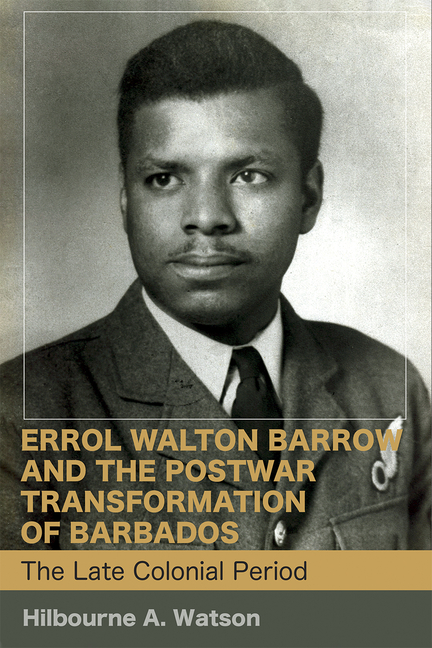
Errol Walton Barrow and the Postwar Transformation of Barbados (Vol. 1): The Late Colonial Period - Paperback
Pay over time for orders over $35.00 with
Offers & Perks
Earn 49 points with this purchase
Added to your rewards balance after checkout.
100 points welcome bonus
Create an account and start with extra points.
Britain freed the colonies in ways that reflected its own subordination to US hegemony under the rubric of the Cold War, which served as the geopolitical strategy for liberal internationalism. Watson's analysis concentrates on the roles played by the labour movement, political parties, capitalist interests, and working-class and other popular organizations in Barbados and the British Caribbean, with support from Caribbean-American groups in New York that forged alliances with those black American organizations which saw their freedom struggles in an international context. Practically all the decolonizing (nationalist) elites in Barbados and other British Caribbean territories endorsed a British and American prescription for decolonization and self-government based on territorial primacy and at the expense of a strong West Indian federation that prioritized the working class. This move sidelined the working class and its interests also set back the struggle for self-determination, liberty and sovereignty.
Watson situates the role Errol Barrow played in the transformation of Barbados in the wider Caribbean and international context. His study draws on archival records from Britain and Barbados, interviews and other sources, and he pays close attention to how the racialization of social life around nature, culture, history, the state, class, gender, politics, poverty and other factors conditioned the colonial experience.
Contributor(s)
Author
Free shipping on orders over $75. Standard shipping takes 3-7 business days. Eligible items may be returned within 30 days of delivery. Conditions apply.