Surprise Castle
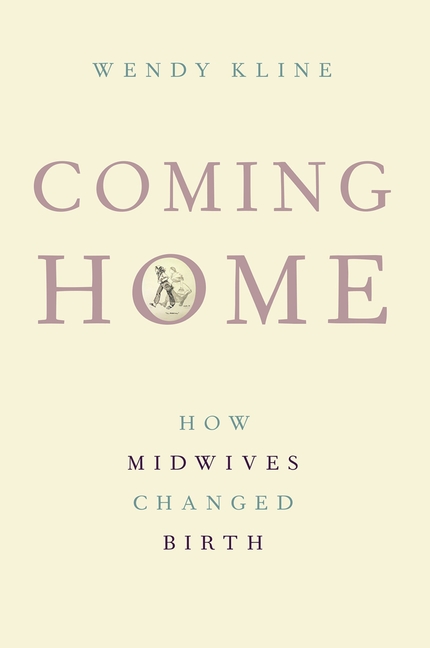
Coming Home: How Midwives Changed Birth

Coming Home: How Midwives Changed Birth - Paperback

$35.99
Quantity
01

Pay over time for orders over $35.00 with

Availability:In StockContributor:Wendy KlinePublish date:2021-01-01Pages:260
Language:EnglishPublisher:Oxford University PressISBN-13:9780197563380ISBN-10:197563384UPC:9780197563380Book Category:History, MedicalBook Subcategory:Women, Social History, HistorySize:9.10 x 6.10 x 0.90 inchesWeight:1.1508Product ID:SC67YA7B4B
By the mid-twentieth century, two things appeared destined for extinction in the United States: the practice of home birth and the profession of midwifery. In 1940, close to half of all U.S. births took place in the hospital, and the trend was increasing. By 1970, the percentage of hospital births reached an all-time high of 99.4%, and the obstetrician, rather than the midwife, assumed nearly complete control over what had become an entirely medicalized procedure. Then, seemingly out of nowhere, an explosion of new alternative organizations, publications, and conferences cropped up, documenting a very different demographic trend; by 1977, the percentage of out-of-hospital births had more than doubled. Home birth was making a comeback, but why? The executive director of the American College of Obstetricians and Gynecologists publicly noted in 1977 the "rising tide of demand for home delivery," describing it as an "anti-intellectual-anti-science revolt." A quiet revolution spread across cities and suburbs, towns and farms, as individuals challenged legal, institutional and medical protocols by choosing unlicensed midwives to catch their babies at home. Coming Home analyzes the ideas, values, and experiences that led to this quiet revolution and its long-term consequences for our understanding of birth, medicine, and culture.

Who were these self-proclaimed midwives and how did they learn their trade? Because the United States had virtually eliminated midwifery in most areas by the mid-twentieth century, most of them had little knowledge of or exposure to the historic practice, drawing primarily on obstetrical texts, trial and error, and sometimes instruction from aging home birth physicians to learn their craft. While their constituents were primarily drawn from the educated white middle class, their model of care (which ultimately drew on the wisdom and practice of a more diverse, global pool of midwives) had the potential to transform birth practices for all women, both in and out of the hospital.
Language:EnglishPublisher:Oxford University PressISBN-13:9780197563380ISBN-10:197563384UPC:9780197563380Book Category:History, MedicalBook Subcategory:Women, Social History, HistorySize:9.10 x 6.10 x 0.90 inchesWeight:1.1508Product ID:SC67YA7B4B
Wendy Kline is Dema G. Seelye Chair in the History of Medicine in the Department of History at Purdue University. She is the author of Building a Better Race: Gender, Sexuality, and Eugenics from the Turn of the Century to the Baby Boom and Bodies of Knowledge: Sexuality, Reproduction, and Women's Health in the Second Wave.
Publisher: Oxford University Press

Contributor(s)

Wendy Kline

Free shipping on orders over $75. Standard shipping takes 3-7 business days. Returns accepted within 30 days of purchase.

Recently Viewed

View All