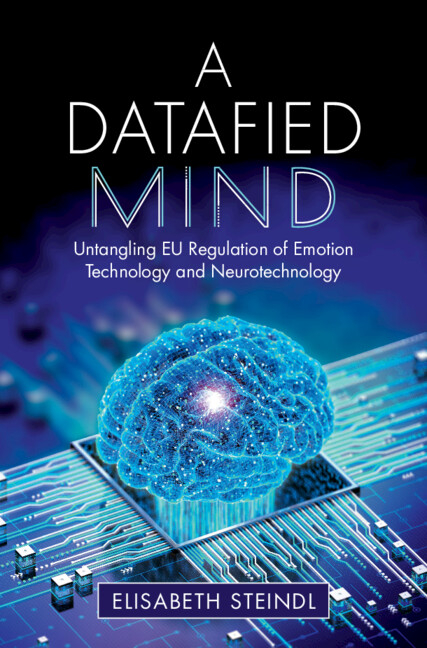
Language:EnglishPublisher:Cambridge University PressISBN-13:9781009671620ISBN-10:1009671626UPC:9781009671620Book Category:LawBook Subcategory:MilitarySize:9.00 x 6.00 x 0.56 inchesWeight:1.0516Product ID:SCVQJPH7YP
The fast-paced evolution of emotion technology and neurotechnology, along with their commercial potential, raises concerns about the adequacy of existing legal frameworks. International organizations have begun addressing these technologies in policy papers, and initial legislative responses are underway. This book offers a comprehensive legal analysis of EU legislation regulating these technologies. It examines four key use cases frequently discussed in media, civil society, and policy debates: mental health and well-being, commercial advertising, political advertising, and workplace monitoring. The book assesses current legal frameworks, highlighting the gaps and challenges involved. Building on this analysis, it presents potential policy responses, exploring a range of legal instruments to address emerging issues. Ultimately, the book aims to offer valuable insights for legal scholars, policymakers, and other stakeholders, contributing to ongoing governance debates and fostering the responsible development of these technologies.
Language:EnglishPublisher:Cambridge University PressISBN-13:9781009671620ISBN-10:1009671626UPC:9781009671620Book Category:LawBook Subcategory:MilitarySize:9.00 x 6.00 x 0.56 inchesWeight:1.0516Product ID:SCVQJPH7YP
Steindl, Elisabeth: - Elisabeth Steindl is a legal scholar with an interdisciplinary background. Holding doctorates in both law and comparative literature, she brings a multidimensional approach to complex legal questions. Her research, focused on the regulatory and ethical implications of digital technologies and innovation, is guided by a global outlook and a commitment to fresh perspectives on the rapidly evolving landscape of emerging technologies.
Free shipping on orders over $75. Standard shipping takes 3-7 business days. Returns accepted within 30 days of purchase.
The fast-paced evolution of emotion technology and neurotechnology, along with their commercial potential, raises concerns about the adequacy of existing legal frameworks. International organizations have begun addressing these technologies in policy papers, and initial legislative responses are underway. This book offers a comprehensive legal analysis of EU legislation regulating these technologies. It examines four key use cases frequently discussed in media, civil society, and policy debates: mental health and well-being, commercial advertising, political advertising, and workplace monitoring. The book assesses current legal frameworks, highlighting the gaps and challenges involved. Building on this analysis, it presents potential policy responses, exploring a range of legal instruments to address emerging issues. Ultimately, the book aims to offer valuable insights for legal scholars, policymakers, and other stakeholders, contributing to ongoing governance debates and fostering the responsible development of these technologies.
Steindl, Elisabeth: - Elisabeth Steindl is a legal scholar with an interdisciplinary background. Holding doctorates in both law and comparative literature, she brings a multidimensional approach to complex legal questions. Her research, focused on the regulatory and ethical implications of digital technologies and innovation, is guided by a global outlook and a commitment to fresh perspectives on the rapidly evolving landscape of emerging technologies.