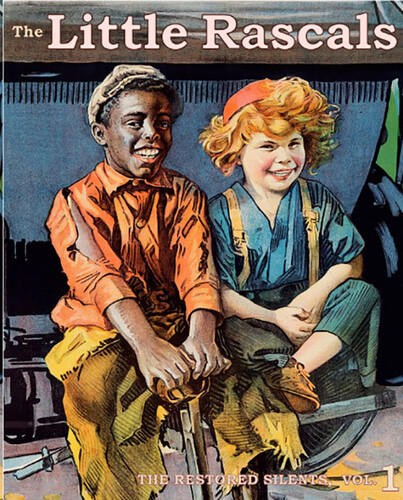
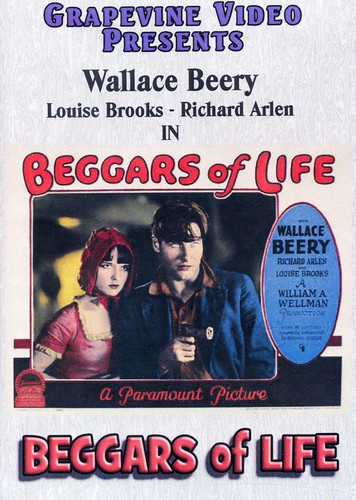
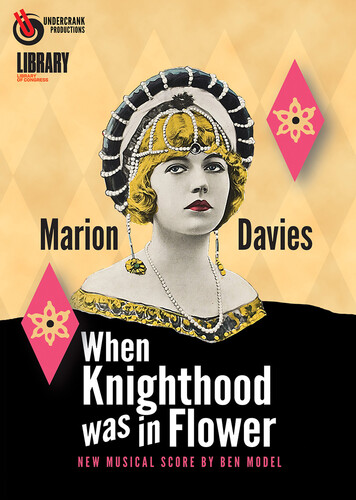
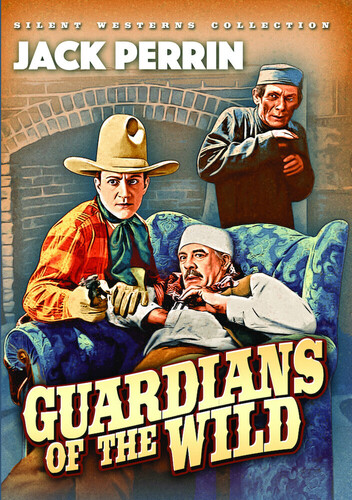
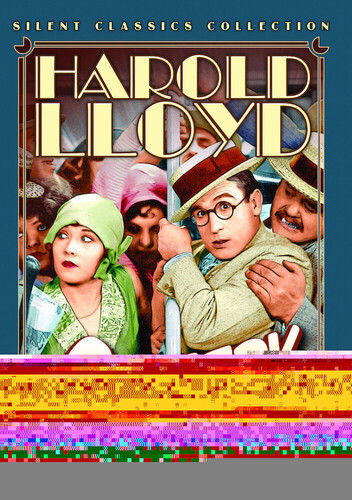
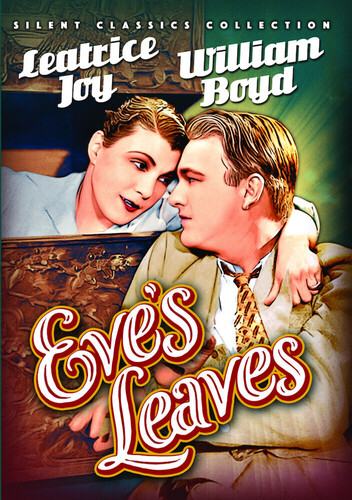
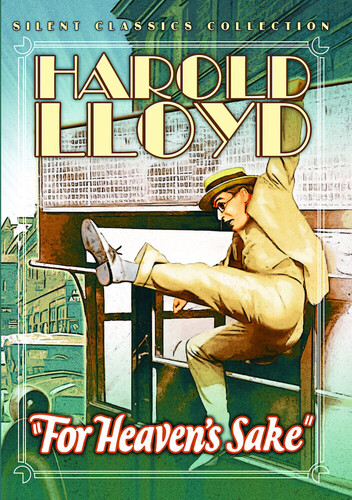
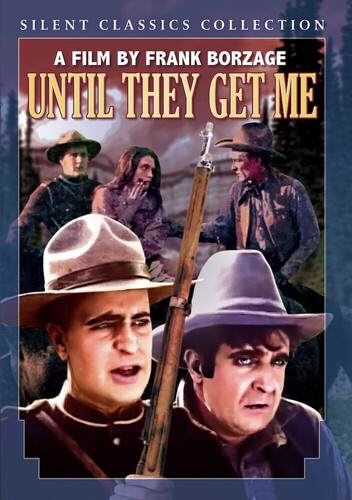
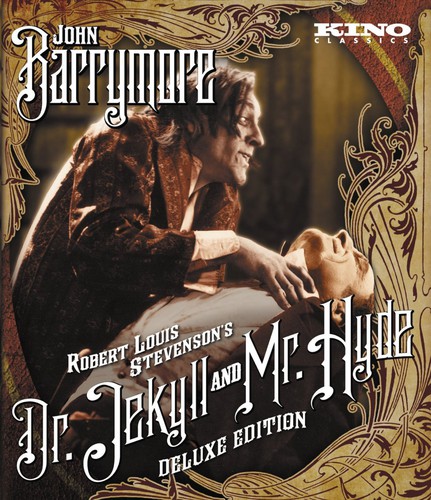
Silent films capture cinema’s earliest artistry through expressive performances, visual storytelling, and timeless emotion. Explore silent films to discover groundbreaking classics, influential directors, and unforgettable moments that shaped the foundation of filmmaking and continue to inspire audiences today.
More than a century later, silent films remain essential viewing because they:
-
Showcase the origins of cinematic storytelling and innovation
-
Reveal universal human emotion without spoken language
-
Blend visual artistry with live or orchestral music
-
Capture a time of experimentation, discovery, and bold creativity
Every frame was composed to communicate feeling — making silent cinema both technically brilliant and emotionally resonant.
Early Experimentation (1890s–1910s)
Cinema began as a novelty, but quickly evolved into art. Pioneers like Georges Méliès brought imagination to life through early special effects, while directors such as D.W. Griffith and Alice Guy-Blaché shaped narrative filmmaking as we know it.
The Peak of Storytelling (1920s)
By the 1920s, silent film had become a global phenomenon. Studios perfected lighting, set design, and editing to create works of stunning visual sophistication. International directors — from Germany’s F.W. Murnau to Russia’s Sergei Eisenstein — pushed the medium’s emotional and artistic limits.
The Transition to Sound (Late 1920s–1930s)
When The Jazz Singer (1927) introduced synchronized dialogue, Hollywood changed forever. Yet the silent era’s influence never disappeared — its visual precision and emotional depth still guide modern filmmakers.
Silent cinema produced legends who shaped not just the medium, but global culture:
-
Charlie Chaplin – The Tramp’s humor and humanity transcended generations.
-
Buster Keaton – A master of timing, stunts, and visual ingenuity.
-
Clara Bow – The original “It Girl,” symbolizing the Roaring Twenties.
-
Rudolph Valentino – The world’s first romantic screen idol.
-
F.W. Murnau – A visionary of atmosphere and expression, from Sunrise to Nosferatu.
These artists turned silent film into poetry in motion — emotion without words, beauty without sound.
The General (1926)
A Buster Keaton triumph — physical comedy and breathtaking stunts with impeccable timing.
Metropolis (1927)
A futuristic masterpiece of design and ambition — one of cinema’s most visually striking achievements.
City Lights (1931)
Chaplin’s heartfelt blend of humor and pathos — silent emotion at its purest.
Nosferatu (1922)
A haunting adaptation of Dracula that still defines horror atmosphere today.
The Passion of Joan of Arc (1928)
Renée Falconetti’s transcendent performance — one of the most powerful close-ups in film history.
The Gold Rush (1925)
Chaplin’s perfect balance of comedy, survival, and hope in the frozen wilderness.
Silent films represent the soul of cinema — where images, not words, carried the story. They:
-
Invented the techniques that define modern filmmaking
-
Express emotion through gesture, rhythm, and composition
-
Continue to inspire directors, animators, and visual artists today
-
Offer timeless beauty that transcends language and era
Browse Silent Films to experience cinema in its purest form — timeless artistry that continues to move audiences without a single spoken word.