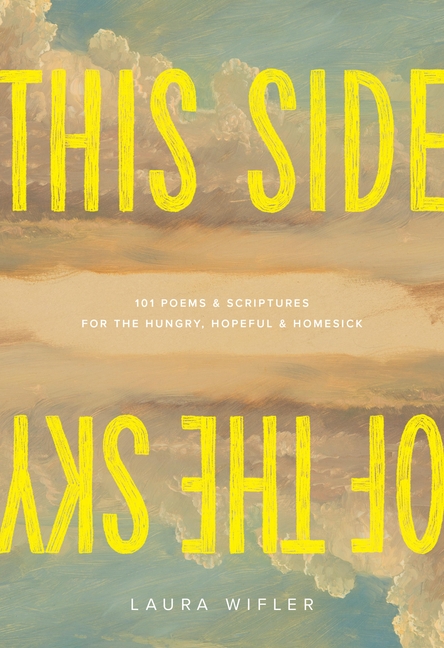
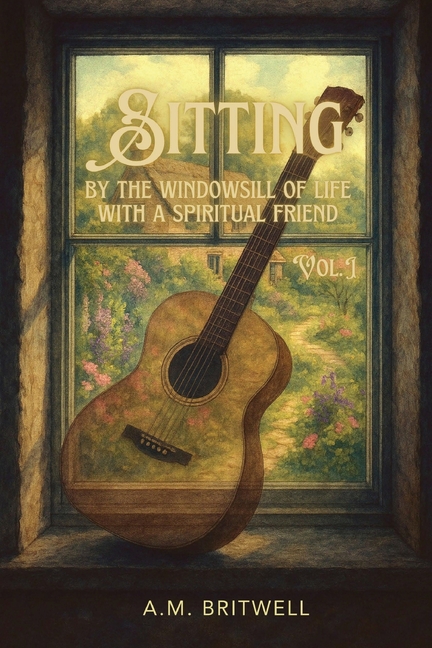
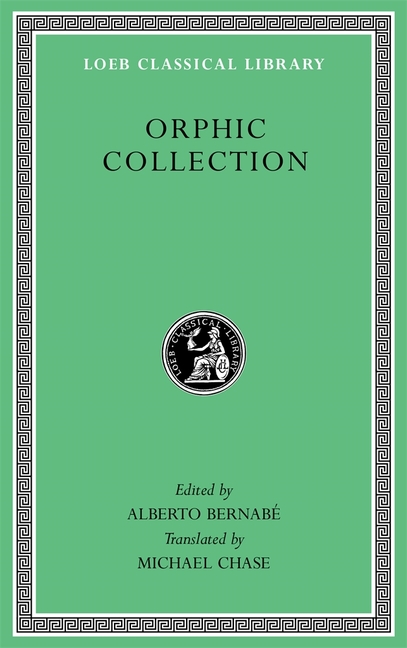
Religious poetry books give voice to faith, devotion, doubt, and reverence through carefully chosen words. These poems are rooted in spiritual traditions and belief systems, offering readers a way to reflect on God, the divine, morality, and the human relationship with the sacred. If you’re seeking poetry that speaks directly to belief, worship, and spiritual reflection, explore our Religious Poetry Books collection and discover verses shaped by faith across centuries.
Religious poetry has existed as long as written language itself. Across cultures and religions, poets have turned to verse to express praise, prayer, longing, repentance, gratitude, and awe. Some poems are deeply personal, others communal or liturgical, but all are grounded in a sense of the sacred and the desire to connect with something higher.
From ancient hymns and psalms to devotional poetry and theological reflection, religious poetry transforms belief into art.

Why Readers Love Religious Poetry Books
Religious poetry resonates because it speaks to faith in a deeply emotional way. Readers are drawn to this genre for:
-
Poetry rooted in spiritual belief and devotion
-
Language that supports prayer, worship, and reflection
-
A sense of continuity with sacred traditions
-
Words that offer comfort, guidance, and meaning
These poems are often read slowly, reverently, and repeatedly.
What Defines Religious Poetry
At its core, religious poetry is an expression of faith. These works are often defined by:
-
Direct engagement with God, the divine, or sacred truth
-
Themes of worship, obedience, humility, and devotion
-
Moral and spiritual reflection
-
Use of symbolism drawn from religious texts and traditions
Religious poetry does not aim to persuade — it aims to praise, reflect, and bear witness.
Traditions Found in Religious Poetry
Religious poetry spans centuries and belief systems, shaped by diverse spiritual traditions. Within this collection, you’ll find poetry influenced by:
-
Christian Religious Poetry
Hymns, psalms, devotional verse, and theological reflection
-
Islamic and Sufi Poetry
Poems expressing devotion, surrender, and divine love
-
Jewish Religious Poetry
Liturgical poems, psalms, and spiritual reflection
-
Hindu and Eastern Sacred Poetry
Verse rooted in devotion, dharma, and transcendence
-
Interfaith and Sacred Verse
Poetry focused on universal devotion and shared belief
Each tradition brings its own language, imagery, and spiritual focus.

Themes Central to Religious Poetry
Religious poetry often returns to enduring themes of faith and belief. Common topics include:
-
Praise and worship of the divine
-
Prayer, repentance, and humility
-
Faith tested by doubt or suffering
-
Obedience, grace, and redemption
-
Moral guidance and spiritual discipline
-
Hope, salvation, and eternal life
These poems often function as both art and devotion.
Poetry as Prayer and Worship
Many religious poems are written to be spoken aloud. These works often serve as:
Sound, rhythm, and repetition play a vital role in their power.
Faith, Doubt, and Spiritual Struggle
Religious poetry does not always present certainty. Many poets explore:
This honesty deepens the spiritual impact of the verse.

Language, Symbolism, and Sacred Imagery
Religious poetry relies heavily on sacred symbolism. Common imagery includes:
-
Light and darkness
-
Fire, water, and breath
-
Shepherds, paths, and journeys
-
Sacred spaces and rituals
These images connect poetry to scripture and tradition.
Religious Poetry Across History
Religious poetry has played a central role in literary history. These works offer insight into:
-
How faith shaped cultures and societies
-
The evolution of religious language
-
The relationship between belief and art
-
Spiritual life across different eras
Reading religious poetry is also a way of engaging with history.
Popular Religious Poetry Books
If you’re looking for foundational works that define religious poetry, these books are widely respected and read:
These works show the depth and diversity of religious poetry.
How to Choose the Right Religious Poetry Book
The right religious poetry book depends on your spiritual background and intention. Consider these approaches:
-
Scripture-based or liturgical poetry
-
Devotional poetry for prayer and reflection
-
Theological poetry exploring belief and doctrine
-
Mystical religious poetry focused on divine union
-
Cross-cultural or interfaith sacred verse
Religious poetry invites readers to engage at their own pace and depth.
Reading Religious Poetry as Practice
Many readers approach religious poetry as part of spiritual life. These books are often used for:
-
Daily prayer or devotion
-
Meditation and contemplation
-
Religious study and reflection
-
Moments of spiritual grounding
The act of reading becomes an expression of faith.

Summary
Religious Poetry Books give voice to belief through verse.
-
Poetry rooted in faith, worship, and devotion
-
Sacred language shaped by tradition and belief
-
Words that comfort, challenge, and inspire
Whether used for prayer, reflection, or study, religious poetry connects readers to centuries of spiritual expression and enduring faith.
If you’re ready to engage with poetry shaped by devotion and sacred meaning, explore our Religious Poetry Books collection and let faith speak through verse.
FAQs
What is religious poetry?
Religious poetry is verse that expresses faith, devotion, worship, or reflection on the divine.
Is religious poetry always tied to scripture?
Not always. Some poems are inspired by scripture, while others are personal expressions of belief.
Can religious poetry include doubt or struggle?
Yes. Many religious poems explore faith tested by hardship or uncertainty.
Is religious poetry meant to be read aloud?
Often yes. Sound and rhythm are important, especially in hymns and prayers.
Can non-religious readers appreciate religious poetry?
Yes. Many readers value religious poetry for its language, symbolism, and emotional depth.