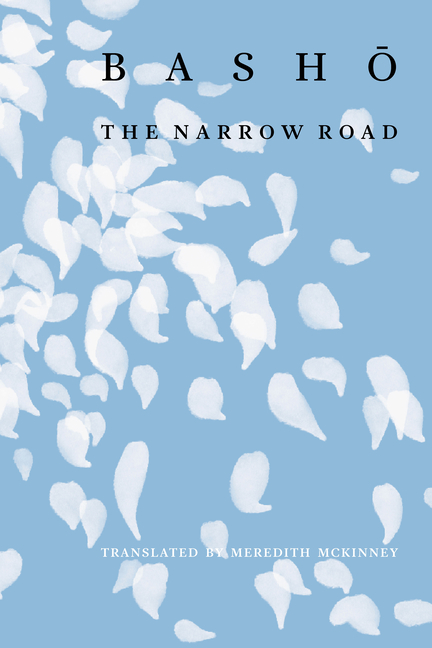
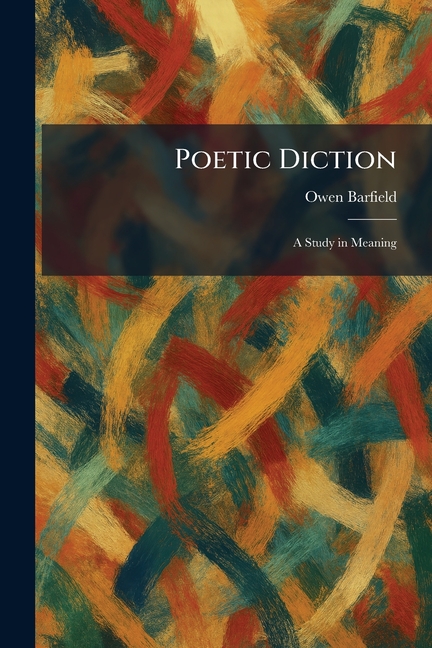
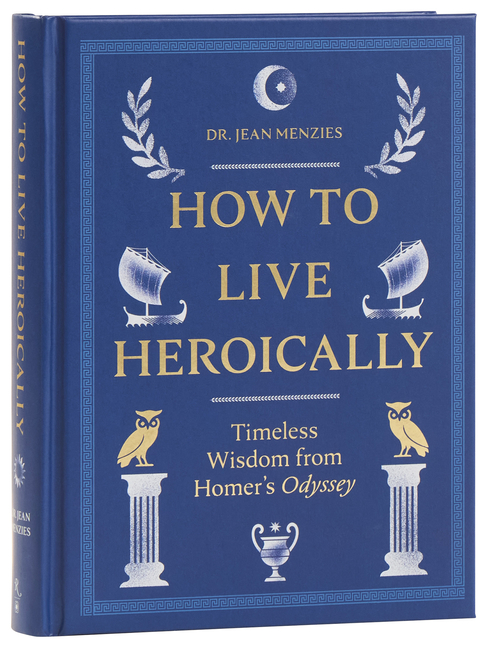
Philosophical poetry books explore life’s deepest questions through language that is both emotional and precise. These poems don’t rush toward answers — they linger in doubt, wonder, faith, despair, and reflection. If you’re drawn to poetry that challenges how you think and feel about existence, explore our Philosophical Poetry Books collection and sit with verses that ask what it truly means to be human.
Philosophical poetry blends literary beauty with intellectual inquiry. Poets use metaphor, rhythm, and imagery to examine consciousness, time, morality, death, identity, and the nature of reality itself. The poems may be subtle or confrontational, spiritual or skeptical, but they all invite readers into contemplation rather than certainty.
From ancient verse to modern reflections, philosophical poetry turns thought into art.

Why Readers Love Philosophical Poetry Books
Philosophical poetry resonates with readers who enjoy reflection as much as emotion. People are drawn to this genre for:
-
Poems that explore meaning rather than simple narrative
-
Language that rewards slow, thoughtful reading
-
Emotional depth paired with intellectual curiosity
-
Verses that raise questions instead of resolving them
These poems stay with readers long after the page is turned.
What Defines Philosophical Poetry
At the heart of philosophical poetry is inquiry. These works are often defined by:
-
Exploration of existence, self, and consciousness
-
Engagement with moral, spiritual, or metaphysical questions
-
Symbolic and metaphorical language
-
An invitation to reflection rather than instruction
Philosophical poetry doesn’t argue — it contemplates.
Traditions and Styles in Philosophical Poetry
Philosophical poetry appears across cultures and literary movements. Within this collection, you’ll encounter poems shaped by traditions such as:
-
Metaphysical Poetry
Wit, paradox, and intellectual play exploring faith, love, and reason
-
Existential Poetry
Reflections on isolation, freedom, absurdity, and responsibility
-
Spiritual and Mystical Poetry
Poems examining the divine, transcendence, and inner awakening
-
Romantic Philosophical Poetry
Nature and emotion as paths to understanding truth
-
Modernist and Postmodern Poetry
Fragmented reflections on identity, language, and meaning
Each style approaches philosophy differently — through belief, doubt, or wonder.

Core Themes Explored in Philosophical Poetry
Philosophical poetry returns again and again to certain enduring questions. Common themes include:
-
What it means to exist
-
The passage of time and inevitability of death
-
The nature of truth and perception
-
Faith, doubt, and transcendence
-
Identity, selfhood, and consciousness
These poems don’t seek conclusions — they seek clarity through reflection.
Emotion and Thought Intertwined
Unlike formal philosophy, philosophical poetry speaks to both mind and heart. These poems often achieve depth through:
-
Emotional resonance rather than argument
-
Symbolism instead of definition
-
Contradiction embraced rather than resolved
-
Language that invites feeling as a form of knowing
Understanding often arrives through intuition rather than logic.
Poetry as a Space for Uncertainty
One of the strengths of philosophical poetry is its comfort with ambiguity. These works allow space for:
Philosophical poetry trusts readers to think for themselves.
Philosophy Across Cultures and Eras
Philosophical poetry is not limited to one tradition. Across time and geography, poets have explored similar questions through different lenses, including:
-
Ancient Eastern and Western poetic traditions
-
Medieval spiritual verse
-
Enlightenment-era reflection
-
Modern existential and postwar poetry
This diversity enriches the conversation about what it means to live.

Popular Philosophical Poetry Books
If you’re looking for defining works that embody philosophical inquiry through poetry, these books are widely regarded as essential:
These works show how poetry can think — not just feel.
How to Choose the Right Philosophical Poetry Book
The best philosophical poetry book depends on what kind of reflection you’re seeking. Consider these approaches:
-
Spiritual or mystical poetry focused on transcendence
-
Existential poetry grappling with meaning and freedom
-
Modern philosophical poetry exploring identity and language
-
Classical metaphysical poetry blending intellect and emotion
-
Short, meditative poems ideal for quiet reflection
There’s no wrong entry point — only different paths inward.
Reading Philosophical Poetry
Philosophical poetry rewards a different kind of reading. Many readers find it helpful to:
-
Read slowly and revisit poems often
-
Sit with uncertainty rather than seeking answers
-
Read aloud to feel rhythm and emphasis
-
Reflect on how meaning changes over time
These poems evolve as the reader evolves.
Summary
Philosophical Poetry Books transform questions into art.
-
Poems that explore existence, meaning, and selfhood
-
Language that blends emotion with thought
-
Works that invite reflection rather than resolution
Whether spiritual, existential, or metaphysical, philosophical poetry offers a space to think deeply — and feel deeply — at the same time.
If you’re ready to engage with poetry that challenges and expands your perspective, explore our Philosophical Poetry Books collection and enter a conversation that has lasted for centuries.

FAQs
What is philosophical poetry?
Philosophical poetry explores questions about existence, meaning, morality, and consciousness through verse.
Is philosophical poetry difficult to read?
It can be challenging, but it rewards slow reading and personal reflection rather than full understanding.
Does philosophical poetry include spiritual themes?
Often yes. Many poems explore faith, doubt, transcendence, and the divine.
Can modern poetry be philosophical?
Absolutely. Many modern and contemporary poets engage deeply with philosophical ideas.
Do philosophical poetry books need to be read in order?
No. Many readers dip in and out, allowing individual poems to guide reflection.