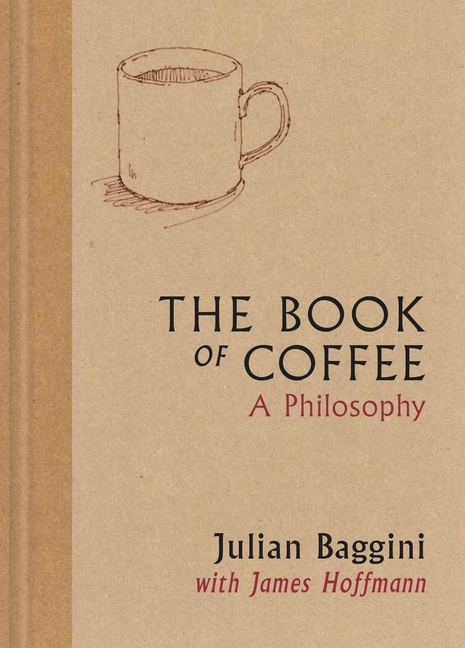
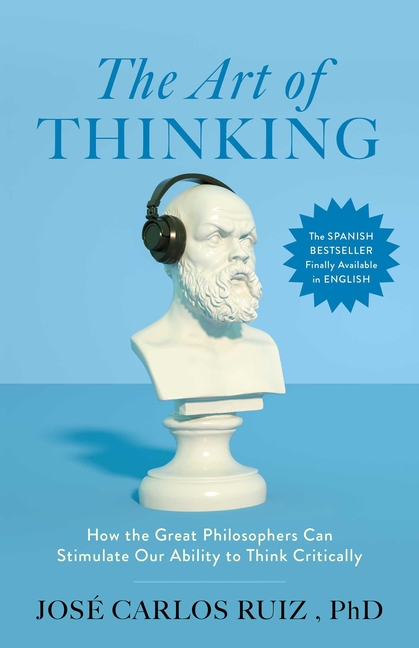
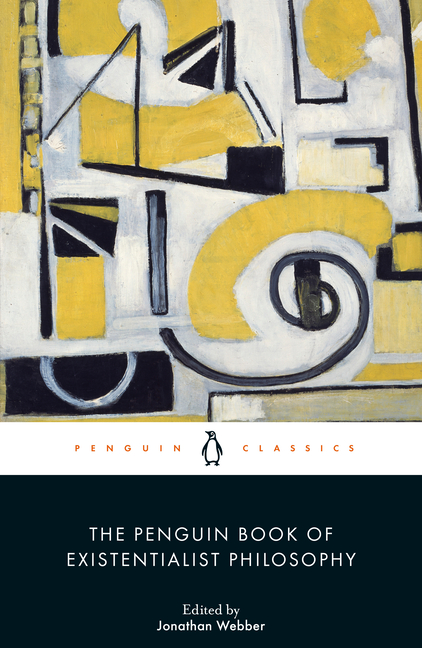
Philosophical movements books explore the major schools of thought that have shaped intellectual history. Rather than focusing on a single thinker, this category examines broader traditions — how ideas develop, evolve, and influence culture, politics, ethics, and science. If you want to understand how different philosophical movements have shaped the way we think about truth, knowledge, morality, and reality, explore our Philosophical Movements collection and discover books that map the evolution of ideas across time.
Philosophy is not static. Movements emerge in response to historical events, cultural shifts, and earlier schools of thought. Studying them reveals how intellectual debates build on one another across centuries.
Ideas form lineages — and movements show how they connect.

Why Readers Turn to Philosophical Movements Books
Readers choose this category to gain structured insight into the development of philosophy. Common interests include:
-
Understanding how philosophical schools differ
-
Exploring historical intellectual change
-
Comparing worldviews across eras
-
Studying the context behind influential thinkers
These books provide frameworks rather than isolated arguments.
What Defines a Philosophical Movement
A philosophical movement typically includes shared themes, methods, or assumptions among multiple thinkers. Books in this category are often defined by:
-
Exploration of foundational texts within a school
-
Historical and cultural context
-
Comparative analysis across movements
-
Examination of influence and legacy
Movements show philosophy as conversation, not monologue.
Philosophical Movements You’ll Find Here
This collection may include works covering major traditions such as:
Existentialism
Freedom, responsibility, meaning, and individuality
Stoicism
Virtue, resilience, and rational self-discipline
Enlightenment Thought
Reason, liberty, and the foundations of modern democracy
Marxism and Critical Theory
Power, class, ideology, and social structures
Postmodernism
Language, knowledge, and skepticism toward grand narratives
Together, these movements reflect philosophy’s evolving concerns.

Ideas in Historical Context
Many books in this category examine how philosophy responds to its time. Common themes include:
-
Intellectual reactions to political change
-
Scientific developments and philosophical shifts
-
Cultural movements influencing thought
-
Dialogue between competing schools
Philosophy is shaped by its historical moment.
Comparing Schools of Thought
Philosophical movements books often explore contrasts, such as:
-
Rationalism vs. empiricism
-
Individualism vs. collectivism
-
Determinism vs. free will
-
Realism vs. relativism
Understanding differences sharpens perspective.
Influence Beyond Philosophy
These books may also examine how philosophical movements influence:
Philosophy rarely stays confined to academia.
Popular Books on Philosophical Movements
If you’re looking for accessible and widely read books exploring philosophical traditions, these titles are often recommended:
These books range from comprehensive surveys to focused studies.

How to Choose the Right Philosophical Movements Book
The right book depends on your goals. Consider whether you’re seeking:
-
Broad historical overviews
-
In-depth study of a specific movement
-
Comparative analysis
-
Introductory summaries
-
Academic or accessible approaches
Choosing based on scope and complexity will guide your reading.
Reading Philosophical Movements Thoughtfully
Philosophical traditions benefit from structured reading. Many readers find it helpful to:
-
Follow movements chronologically
-
Compare contrasting schools
-
Connect ideas to historical context
-
Reflect on contemporary relevance
Understanding philosophy often means understanding its evolution.
Summary
Philosophical Movements books explore how major schools of thought develop and influence the world.
-
Insight into key intellectual traditions
-
Historical and comparative analysis
-
Emphasis on the evolution of ideas
If you want to see philosophy as an unfolding conversation across centuries, explore our Philosophical Movements collection and discover books that map the development of human thought.

FAQs
What is a philosophical movement?
A philosophical movement is a group of thinkers sharing related ideas or approaches within a historical context.
Are these books academic?
Some are scholarly, while others are written for general readers.
Do I need prior philosophy knowledge?
Not necessarily. Many overview books introduce key movements clearly.
Do these books focus on Western philosophy only?
Some do, but others include global traditions.
Why study philosophical movements?
Because understanding intellectual history helps clarify how modern ideas developed.