Modern Philosophy Books
Modern philosophy books explore the major ideas that emerged from the 17th century onward, a period that reshaped thinking about knowledge, reality, politics, science, and human nature. From rationalism and empiricism to enlightenment thought and early existentialism, modern philosophy laid the groundwork for many debates that still shape intellectual life today. If you want to understand the ideas that bridge classical philosophy and contemporary theory, explore our Modern Philosophy collection and discover books that trace the foundations of modern thought.
Modern philosophy marked a shift toward reason, individual inquiry, and systematic doubt. Thinkers began questioning inherited authority and exploring new methods for understanding knowledge, morality, and governance.
This period redefined how we think about truth, freedom, and society.

Why Readers Turn to Modern Philosophy Books
Readers choose modern philosophy books to explore the origins of many contemporary debates. Common interests include:
-
The development of rationalism and empiricism
-
The rise of political liberalism and social contract theory
-
Questions of knowledge and skepticism
-
Shifts in moral and scientific thinking
These works provide context for modern intellectual traditions.
What Defines Modern Philosophy
Modern philosophy is often defined by:
-
Emphasis on reason and systematic inquiry
-
Skepticism toward tradition and authority
-
Development of scientific and empirical methods
-
Exploration of individual rights and political theory
It represents a turning point between medieval and contemporary thought.
Modern Philosophy Movements and Themes
This collection may include works related to major movements such as:
Rationalism
Knowledge derived from reason and innate ideas
Empiricism
Experience and observation as the foundation of knowledge
Enlightenment Thought
Liberty, equality, and the power of human reason
Early Idealism and Existential Inquiry
Consciousness, freedom, and individuality
Together, these themes shaped the intellectual foundations of modern society.

Knowledge, Doubt, and Certainty
Many modern philosophers focused on epistemology. Common questions include:
-
Can we achieve certain knowledge?
-
What is the role of doubt in inquiry?
-
How do reason and experience interact?
-
What are the limits of understanding?
Systematic doubt became a tool for clarity.
Political Philosophy and Rights
Modern philosophy also transformed political thought. Topics often include:
-
Social contract theory
-
Individual liberty and rights
-
Democratic governance
-
Authority and legitimacy
These ideas continue to influence political systems today.
Morality and Human Nature
Modern philosophers reexamined ethics and human behavior. Themes may include:
-
Moral reasoning independent of tradition
-
Universal principles and duty
-
Human motivation and autonomy
-
The relationship between freedom and responsibility
Ethics became increasingly systematic and secular.
Popular Modern Philosophy Books
If you’re looking for foundational and widely read works from modern philosophy, these titles are often recommended:
-
Meditations on First Philosophy – René Descartes
Doubt, reason, and the search for certainty -
An Enquiry Concerning Human Understanding – David Hume
Empiricism and skepticism -
Critique of Pure Reason – Immanuel Kant
Limits and structure of human knowledge -
Leviathan – Thomas Hobbes
Political authority and social contract -
Two Treatises of Government – John Locke
Individual rights and governance
These works represent core texts of the modern era.

How to Choose the Right Modern Philosophy Book
The right book depends on your interests and familiarity. Consider whether you’re seeking:
-
Foundational epistemology
-
Political theory and rights
-
Moral philosophy
-
Comparative studies of rationalism and empiricism
-
Introductory surveys or primary texts
Choosing by theme and depth can guide your reading.
Reading Modern Philosophy Thoughtfully
Modern philosophical texts can be dense and structured. Many readers find it helpful to:
-
Read slowly and analyze arguments step by step
-
Clarify key definitions
-
Compare different philosophers’ approaches
-
Connect ideas to contemporary debates
Modern philosophy rewards careful study.
Summary
Modern Philosophy books explore the intellectual foundations of reason, rights, and inquiry.
-
Development of rationalism and empiricism
-
Transformation of political and moral thought
-
Emphasis on doubt, method, and individual reasoning
If you want to understand how many modern ideas about knowledge, freedom, and governance emerged, explore our Modern Philosophy collection and discover books that shaped the foundations of contemporary thought.

FAQs
What period does modern philosophy cover?
Typically from the 17th to the 19th century.
Is modern philosophy different from contemporary philosophy?
Yes. Modern philosophy precedes contemporary philosophical movements.
Are these books difficult to read?
Some primary texts are complex, but many introductions are accessible.
Do modern philosophers focus on science?
Many engaged deeply with emerging scientific methods and inquiry.
Why study modern philosophy?
Because it shaped current ideas about knowledge, politics, and individual rights.
7615 Results
7615 Results

Knowledge, Culture And Power: International Perspectives On Literacy As Policy And Practice



The Golden Age of Russian Literature and Thought

The 'Improper' Feminine: The Women's Sensation Novel and the New Woman Writing



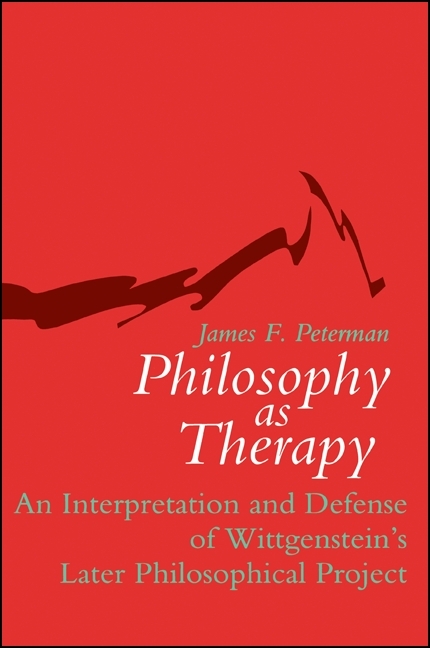
Philosophy as Therapy: An Interpretation and Defense of Wittgenstein's Later Philosophical Project



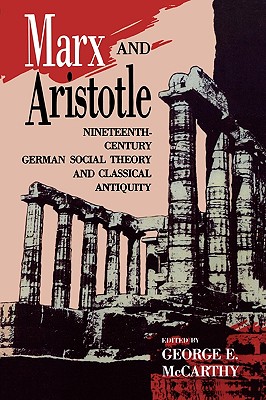
Marx and Aristotle: Nineteenth-Century German Social Theory and Classical Antiquity




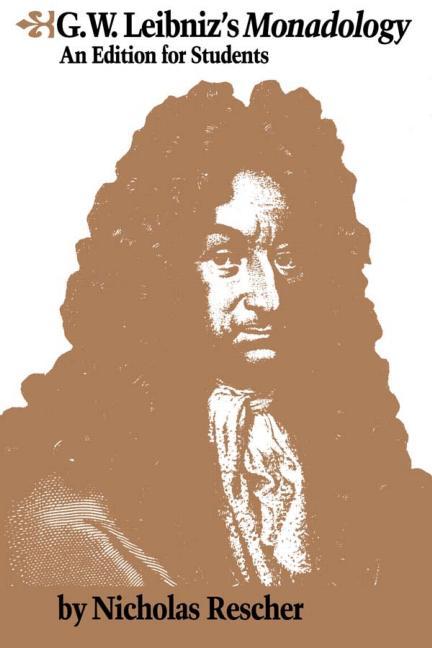

Wittgenstein's Philosophical Investigations: Text and Context


Life and the Doctrines of Philippus Theophrastus Bombast of Hohenheim Known as Paracelsus


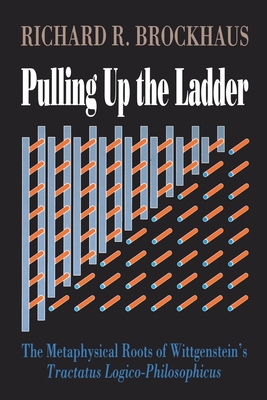


Husserlian Phenomenology in a New Key: Intersubjectivity, Ethos, the Societal Sphere, Human Encounter, Pathos Book 2 Phenomenology in the World Fifty



The Immaterial Self: A Defence of the Cartesian Dualist Conception of the Mind

Wittgenstein in Florida: Proceedings of the Colloquium on the Philosophy of Ludwig Wittgenstein, Florida State University, 7-8 August 1989


Appearance and Sense: Phenomenology as the Fundamental Science and Its Problems



Intimations of Mortality: Time, Truth, and Finitude in Heidegger's Thinking of Being



Zeitgeist in Babel: The Postmodernist Controversy


Metaphysics and the Philosophy of Mind: Collected Philosophical Papers, Volume 2


Last Writings on the Phiosophy of Psychology: Preliminary Studies for Part II of Philosophical Investigations, Volume 1
Heidegger S Confrontation with Modernity: Technology, Politics, and Art