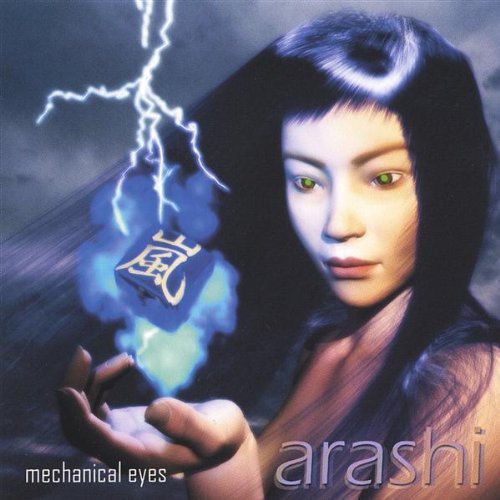
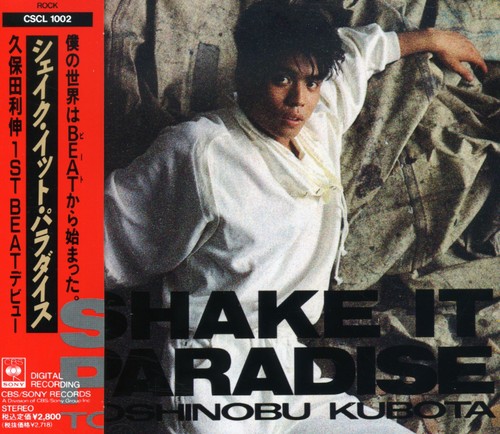
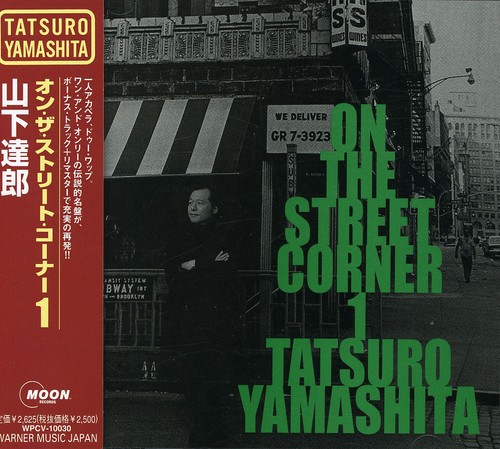
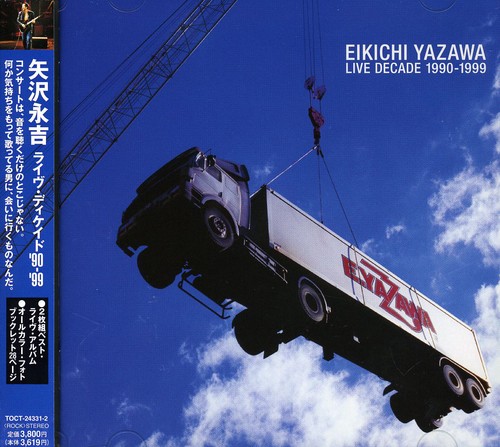
Japanese music blends rich tradition, modern innovation, and diverse styles that span generations and genres. Explore Japanese music to discover timeless folk sounds, contemporary pop, and influential artists who shape the country’s unique and evolving musical landscape.
The Sound of Japan
Japanese music is built on contrast — calm and chaos, minimalism and complexity, silence and emotion. It reflects the nation’s philosophy of harmony while embracing modern evolution.
-
Traditional & Folk Music – Taiko drumming, shamisen, and gagaku (court music) — spiritual, ceremonial, and deeply cultural.
-
Enka & Ballads – Emotional storytelling through voice — songs of love, nostalgia, and devotion.
-
J-Rock & Pop – Modern creativity that connects Japan to the global stage.
-
Jazz & Fusion – From the 1960s Tokyo scene to today’s innovators blending East and West.
-
Electronic & Ambient – Ryuichi Sakamoto, Yellow Magic Orchestra, and other pioneers redefining sound.
-
Soundtracks & Instrumental Works – Studio Ghibli scores, anime compositions, and cinematic music that move hearts worldwide.
Why Listeners Love Japanese Music
-
Cultural Depth – A bridge between tradition and technology.
-
Emotional Beauty – Minimalist melodies and expressive performance.
-
Global Impact – Influencing everything from electronic music to film scoring.
-
Timeless Spirit – A sound shaped by nature, art, and human emotion.
Our Picks – Highlights in Japanese Music
Ryuichi Sakamoto – Async
Experimental and reflective — modern minimalism from one of Japan’s greatest composers.
Joe Hisaishi – Studio Ghibli Soundtracks
Whimsical, emotional, and unforgettable — the sound of cinematic magic.
Kodo – Heartbeat Drummers of Japan
Traditional taiko rhythms with contemporary power — pure performance energy.
Yellow Magic Orchestra – Solid State Survivor
Playful, pioneering, and influential — the roots of Japan’s electronic revolution.
Hikaru Utada – Fantôme
Melancholy, melody, and meaning — modern Japanese pop at its most refined.
Summary
Japanese music is a journey through time — from ancient rhythms and traditional instruments to modern innovation and emotional storytelling. It:
-
Combines centuries of musical artistry with new technology
-
Spans genres including folk, jazz, pop, electronic, and film music
-
Embodies Japan’s balance of discipline, creativity, and emotion
-
Connects listeners to culture through sound that transcends borders
Discover the sound of harmony and invention — browse Japanese Music and experience how tradition meets transformation in every note.
FAQs
What makes Japanese music unique?
Its blend of ancient tradition and modern experimentation — often minimalist yet emotionally powerful.
What are Japan’s traditional instruments?
The koto, shamisen, taiko drums, and shakuhachi are central to Japan’s musical heritage.
Is Japanese music only traditional?
Not at all — it also includes modern genres like J-Pop, jazz, electronic, and film music.
Who are Japan’s most influential composers?
Ryuichi Sakamoto, Joe Hisaishi, and Tōru Takemitsu are internationally acclaimed for their innovation.
Why is Japanese music loved worldwide?
Because it connects emotional simplicity with sonic creativity — a rare balance of heart and precision.