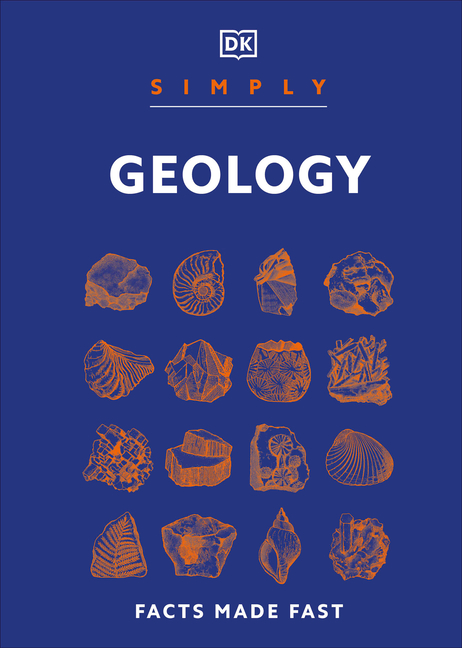
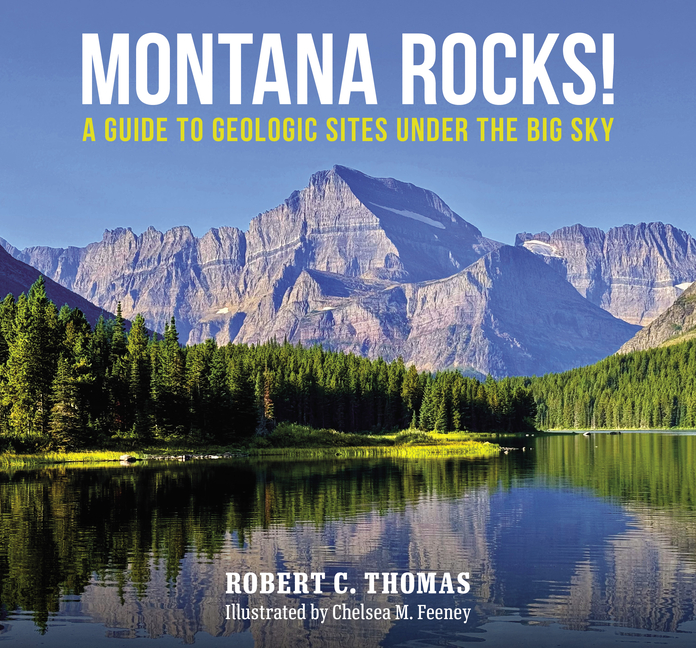
Geology books explore the structure, history, and processes of the Earth beneath our feet. Rather than simply describing rocks and minerals, this category examines how mountains form, continents shift, volcanoes erupt, and landscapes evolve over millions of years. If you're fascinated by earthquakes, fossils, plate tectonics, or Earth’s deep history, discover our Geology Books collection and explore expert works that reveal the dynamic forces shaping our planet.
Geology connects physics, chemistry, and environmental science to explain how Earth works as a system. From the formation of rocks to the movement of tectonic plates, geology helps us understand both ancient history and modern natural hazards.
The ground beneath us is constantly changing.

Why Readers Turn to Geology Books
Readers choose geology books to better understand Earth’s structure and long-term evolution. Common interests include:
-
Plate tectonics and continental drift
-
Volcanoes and earthquakes
-
Rock and mineral identification
-
Fossils and Earth’s prehistoric past
-
Natural resources and environmental geology
These books combine scientific theory with real-world applications, from hazard prediction to resource management.
What Defines Geology
Geology is typically divided into several core areas:
-
Physical Geology
Study of rocks, minerals, volcanoes, earthquakes, and surface processes
-
Historical Geology
Earth’s formation and the timeline of geological events
-
Structural Geology
Deformation of rocks and tectonic structures
-
Sedimentology and Stratigraphy
Layers of rock and interpretation of Earth’s past environments
Together, these fields explain how Earth formed, transformed, and continues to evolve.
Key Themes in Geology Books
This collection may include works exploring themes such as:
-
Plate Tectonics
Movement of Earth’s lithospheric plates and continental drift
-
Volcanism and Seismic Activity
Causes and impacts of eruptions and earthquakes
-
Deep Time
Geological timescales spanning billions of years
-
Rock Cycle and Mineral Formation
How rocks are created, transformed, and recycled
-
Landscape Evolution
Erosion, weathering, glaciers, and river systems
These themes reveal geology as both a historical and dynamic science.

Earth’s Dynamic Processes
A major focus of geology books is understanding Earth’s internal and surface processes. Topics often include:
-
Mantle convection and plate boundaries
-
Mountain building and orogeny
-
Fault systems and seismic zones
-
Weathering and erosion
-
Formation of sedimentary basins
Geology explains how invisible forces create visible landscapes.
Fossils and Earth’s Ancient Past
Geology also overlaps with paleontology and Earth history. Many books explore:
-
Fossil formation and preservation
-
Mass extinctions and evolutionary change
-
The age of the Earth
-
Geological time periods
-
Climate shifts across eras
Understanding Earth’s past helps interpret present environmental change.
Natural Resources and Environmental Geology
Geology plays a critical role in resource management and sustainability. Books in this field often examine:
-
Oil, gas, and mineral deposits
-
Groundwater systems
-
Soil formation
-
Environmental impact assessment
-
Sustainable resource extraction
Geological knowledge supports both economic development and environmental protection.
5 Popular Geology Books
If you’re looking for influential and widely read titles in geology, these books are frequently recommended:
These titles range from engaging popular science to academic foundations.

How to Choose the Right Geology Book
The right geology book depends on your interests and experience level. Consider whether you’re seeking:
-
Introductory geology textbooks
-
Field guides for rocks and minerals
-
Earth history and paleontology studies
-
Environmental and climate-related geology
-
Narrative science writing
Choosing by topic focus and depth will help narrow your selection.
Reading Geology Thoughtfully
Geology books benefit from analytical and observational thinking. Many readers find it helpful to:
-
Connect geological theory to real landscapes
-
Study maps and cross-sections carefully
-
Compare geological timescales
-
Relate Earth processes to modern environmental issues
-
Reflect on humanity’s place in deep time
Geology expands perspective beyond human timescales.
Summary
Geology books explore the structure, processes, and history of the Earth.
-
Study of plate tectonics, earthquakes, and volcanoes
-
Examination of rocks, minerals, and the rock cycle
-
Insight into fossils and deep geological time
-
Analysis of natural resources and environmental systems
If you want to understand how Earth formed and continues to change, discover our Geology Books collection and explore works that reveal the powerful forces shaping the planet.

FAQs
What is geology?
Geology is the scientific study of Earth’s physical structure, materials, processes, and history.
Are geology books only for professionals?
No. Many geology books are accessible to beginners and general readers.
Do geology books cover climate change?
Yes. Many modern geology texts examine past climate patterns and current environmental changes.
What’s the difference between geology and geography?
Geology focuses on Earth’s physical materials and processes, while geography studies spatial patterns and human-environment interaction.
Why is geology important?
Geology helps us understand natural hazards, resource management, environmental sustainability, and Earth’s long-term evolution.