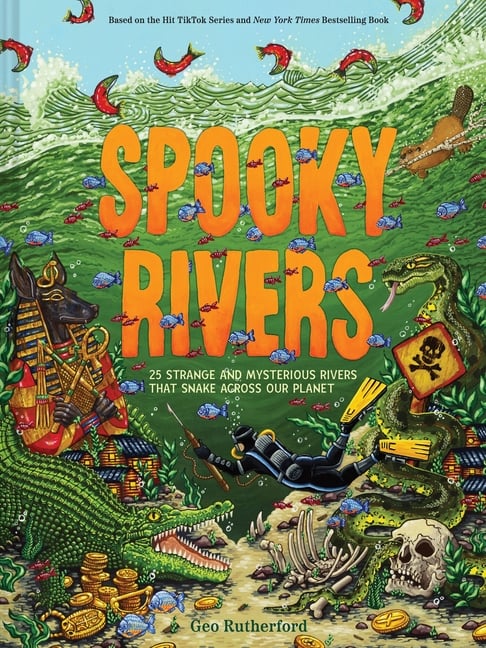
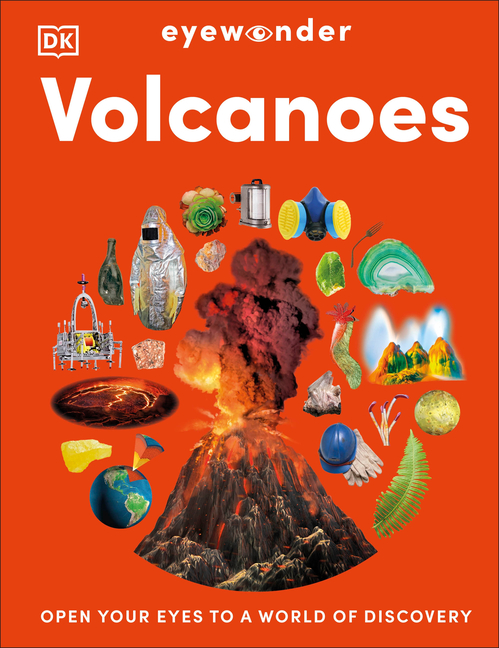
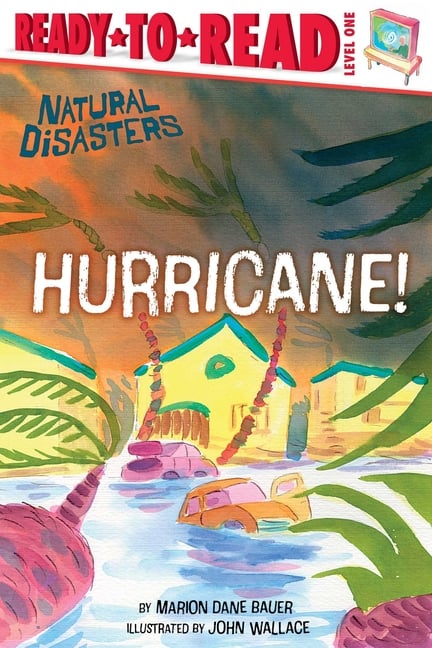
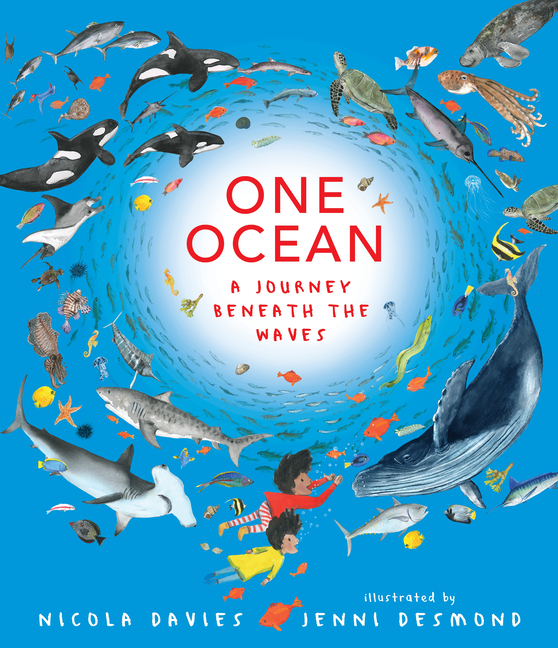
Earth science books explore the systems and processes that shape our planet — from the atmosphere and oceans to the solid Earth and biosphere. Rather than focusing on a single discipline, this category integrates geology, meteorology, oceanography, and environmental science into one comprehensive view of Earth as a dynamic system. If you're curious about climate patterns, natural disasters, planetary processes, or environmental change, discover our Earth Science Books collection and explore expert works that explain how our planet functions as a connected whole.
Earth science examines how land, water, air, and life interact over time. It helps us understand everything from earthquakes and hurricanes to climate change and sustainability.
Earth is not static — it is an evolving system.

Why Readers Turn to Earth Science Books
Readers choose earth science books to gain a broad understanding of planetary systems and environmental processes. Common interests include:
-
Climate and weather systems
-
Plate tectonics and earthquakes
-
Ocean currents and marine processes
-
Natural resources and sustainability
-
Environmental change and human impact
These books provide both scientific foundations and real-world context.
What Defines Earth Science
Earth science is an umbrella field that typically includes:
-
Geology
Study of rocks, minerals, tectonics, and Earth’s structure
-
Meteorology
Weather patterns, atmospheric systems, and climate
-
Oceanography
Ocean currents, chemistry, and marine ecosystems
-
Environmental Science
Human interaction with natural systems
Together, these disciplines explain how Earth’s systems interact and influence one another.
Key Themes in Earth Science Books
This collection may include works exploring themes such as:
-
Climate Systems
Global warming, atmospheric circulation, and carbon cycles
-
Natural Hazards
Earthquakes, volcanic eruptions, hurricanes, and floods
-
Earth’s History
Geological time, mass extinctions, and planetary evolution
-
Water and Energy Cycles
Hydrologic cycle and energy balance
-
Sustainability and Resources
Renewable energy, soil systems, and environmental protection
These themes emphasize Earth as an interconnected system.

Climate and Atmospheric Processes
A central focus of many earth science books is the atmosphere and climate. Topics often include:
-
Greenhouse gases and global warming
-
Jet streams and air circulation
-
Extreme weather events
-
Climate modeling and prediction
-
Seasonal and regional climate variation
Understanding atmospheric science is critical to addressing environmental challenges.
Earth’s Interior and Surface Processes
Earth science also explores the structure and behavior of the solid planet. Books in this field examine:
-
Plate tectonics and continental drift
-
Mountain formation and erosion
-
Fault systems and seismic zones
-
Rock formation and the rock cycle
-
Soil development and landforms
These processes shape landscapes and influence human settlement.
Environmental Change and Human Impact
Modern earth science books frequently address sustainability and global change. Common topics include:
Earth science provides the foundation for informed environmental decision-making.

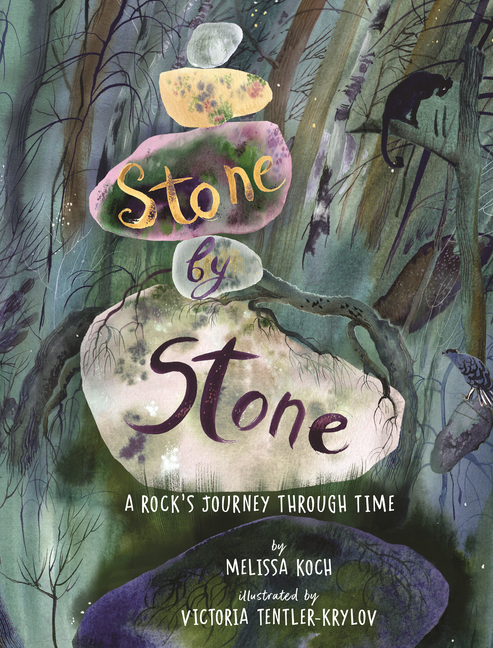
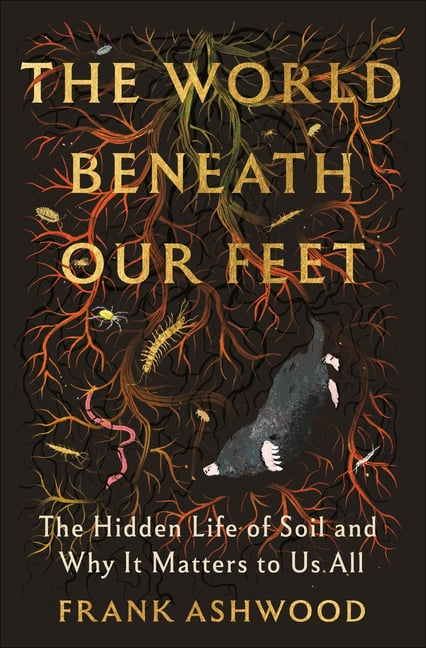
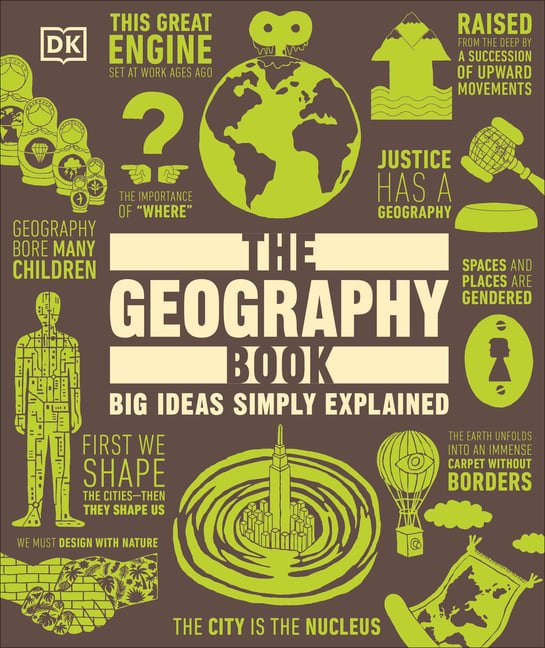
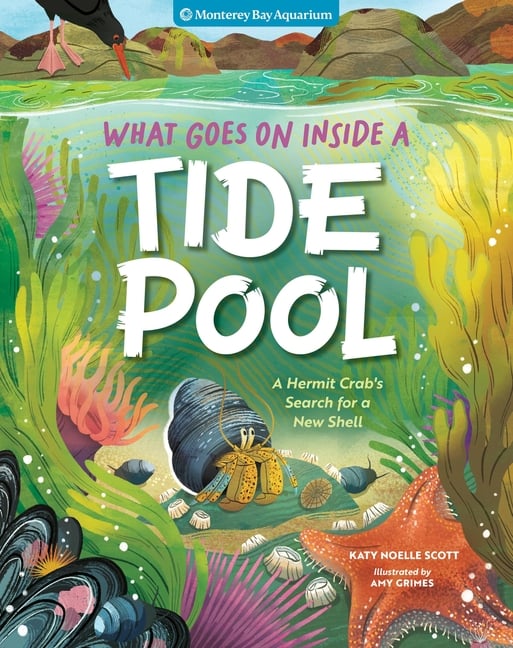
5 Popular Earth Science Books
If you’re looking for influential and widely read titles in this category, these books are frequently recommended:
These titles range from academic textbooks to accessible environmental analyses.
How to Choose the Right Earth Science Book
The right earth science book depends on your focus and background. Consider whether you’re seeking:
-
Introductory Earth system textbooks
-
Climate science and environmental change
-
Natural disaster and hazard analysis
-
Integrated sustainability studies
-
Popular science overviews
Choosing based on topic depth and specialization can help guide your selection.
Reading Earth Science Thoughtfully
Earth science books encourage interdisciplinary thinking. Many readers benefit from:
-
Connecting climate science to geology and oceanography
-
Comparing historical and modern environmental data
-
Studying diagrams and system models carefully
-
Relating scientific principles to current events
-
Reflecting on long-term planetary change
Understanding Earth requires seeing how systems interact.
Summary
Earth science books explore the systems, processes, and interactions that shape our planet.
-
Study of atmosphere, oceans, and solid Earth
-
Examination of climate systems and natural hazards
-
Insight into geological history and planetary evolution
-
Analysis of sustainability and environmental change
If you want a comprehensive understanding of how Earth’s systems work together, discover our Earth Science Books collection and explore works that explain the science behind our dynamic planet.

FAQs
What is earth science?
Earth science is the study of the planet’s physical systems, including geology, meteorology, oceanography, and environmental science.
Are earth science books suitable for beginners?
Yes. Many titles provide accessible introductions alongside more advanced academic texts.
Do earth science books cover climate change?
Yes. Climate systems and global warming are major topics within modern earth science.
What’s the difference between earth science and geology?
Geology focuses specifically on Earth’s solid materials and processes, while earth science includes atmosphere, oceans, and environmental systems as well.
Why is earth science important?
Earth science helps us understand natural hazards, climate change, resource management, and the long-term sustainability of the planet.