
Computer Science Books
Computer science books explore the theory, design, and application of computing systems — from algorithms and programming languages to artificial intelligence and data structures. Rather than focusing only on coding, this category examines the principles that make modern technology possible. If you're interested in software development, machine learning, cybersecurity, or computational theory, discover our Computer Science Books collection and explore expert works that explain the foundations of the digital world.
Computer science combines mathematics, logic, engineering, and problem-solving to design systems that process information efficiently and securely. It shapes everything from smartphones and websites to cloud computing and artificial intelligence.
Computing is not just technology — it is structured logic applied at scale.

Why Readers Turn to Computer Science Books
Readers choose computer science books to deepen technical knowledge or build practical skills. Common interests include:
-
Programming languages and software development
-
Algorithms and data structures
-
Artificial intelligence and machine learning
-
Cybersecurity and encryption
-
Databases and distributed systems
These books range from theoretical foundations to hands-on technical guides.
What Defines Computer Science
Computer science typically includes several major areas:
-
Algorithms and Data Structures
Efficient problem-solving and computational optimization -
Software Engineering
Designing, testing, and maintaining complex systems -
Artificial Intelligence
Machine learning, neural networks, and automation -
Systems and Networking
Operating systems, cloud infrastructure, and distributed computing
Together, these fields form the backbone of modern computing.
Key Themes in Computer Science Books
This collection may include works exploring themes such as:
-
Computational Thinking
Breaking problems into logical, solvable components -
Efficiency and Optimization
Time complexity and performance analysis -
Security and Privacy
Cryptography and digital protection -
Data and Information Systems
Storage, retrieval, and big data processing -
Emerging Technologies
Quantum computing, blockchain, and AI development
These themes highlight both foundational theory and cutting-edge innovation.

Programming and Software Development
Many computer science books focus on coding and software architecture. Topics often include:
-
Object-oriented and functional programming
-
Version control and collaboration
-
Debugging and testing methodologies
-
API design and system integration
-
Agile and scalable development practices
Understanding programming principles supports long-term technical growth.
Artificial Intelligence and Machine Learning
AI has become one of the most influential areas of computer science. Books in this field examine:
-
Neural networks and deep learning
-
Natural language processing
-
Computer vision
-
Data modeling and predictive systems
-
Ethical considerations in AI
These topics reflect the expanding role of automation and intelligent systems.
Theory and Foundations
Beyond practical coding, computer science includes deep theoretical foundations. Many books explore:
-
Computability and complexity theory
-
Formal languages and automata
-
Logic and discrete mathematics
-
Algorithmic proofs and analysis
-
The limits of computation
Theoretical knowledge strengthens advanced technical problem-solving.
5 Popular Computer Science Books
If you’re looking for influential and widely read titles in this field, these books are frequently recommended:
-
Introduction to the Theory of Computation – Michael Sipser
Comprehensive overview of computational theory -
Structure and Interpretation of Computer Programs – Harold Abelson & Gerald Jay Sussman
Foundational programming concepts and abstraction -
Clean Code – Robert C. Martin
Best practices in software craftsmanship -
Artificial Intelligence: A Modern Approach – Stuart Russell & Peter Norvig
Leading textbook on AI theory and practice -
The Pragmatic Programmer – Andrew Hunt & David Thomas
Practical guidance for professional developers
These titles range from academic theory to professional development resources.

How to Choose the Right Computer Science Book
The right computer science book depends on your goals and background. Consider whether you’re seeking:
-
Beginner programming guides
-
Advanced algorithm theory
-
AI and machine learning specialization
-
Software engineering best practices
-
Cybersecurity and systems design
Choosing based on skill level and specialization will help narrow your options.
Reading Computer Science Thoughtfully
Computer science books often require active engagement. Many readers benefit from:
-
Practicing coding exercises
-
Implementing algorithms independently
-
Reviewing mathematical foundations
-
Comparing theoretical and practical approaches
-
Applying concepts to real-world projects
Hands-on application reinforces understanding.
Summary
Computer science books explore the theory and practice of computing systems.
-
Study of algorithms, programming, and system design
-
Examination of AI, machine learning, and cybersecurity
-
Insight into computational theory and complexity
-
Guidance for software engineering and development
If you want to understand the foundations behind modern technology and digital innovation, discover our Computer Science Books collection and explore works that shape the future of computing.

FAQs
What is computer science?
Computer science is the study of computation, algorithms, programming, and information systems.
Are computer science books only for programmers?
No. Some focus on theory and concepts, while others teach practical coding skills.
Do I need advanced math to read computer science books?
Introductory books require minimal math, but advanced topics like algorithms and AI often involve mathematics.
What’s the difference between computer science and IT?
Computer science focuses on theory and system design, while IT centers on implementation and maintenance of technology systems.
Why study computer science?
Computer science provides the foundation for software development, artificial intelligence, cybersecurity, and nearly all modern digital technologies.
4403 Results
4403 Results

Datenfernverarbeitung: Außenstelle -- Datenfernübertragung Rechenzentrum -- Betriebsabwicklung Eine Einführung
Logics of Programs: Workshop, Yorktown Heights, Ny, USA
Fundamentals of Computation Theory: Proceedings of the 1981 International Fct-Conference, Szeged, Hungaria, August 24-28, 1981
Automata, Languages and Programming: Eighth Colloquium, Acre (Akko), Israel, July 13-17, 1981
Distributed Systems - Architecture and Implementation: An Advanced Course
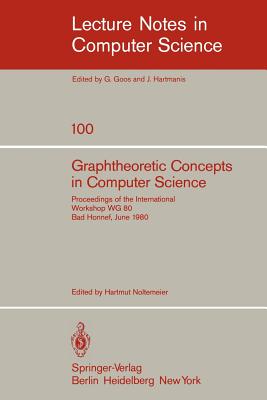
Graphtheoretic Concepts in Computer Science: Proceedings of the International Workshop Wg 80 Bad Honnef, June 15-18, 1980
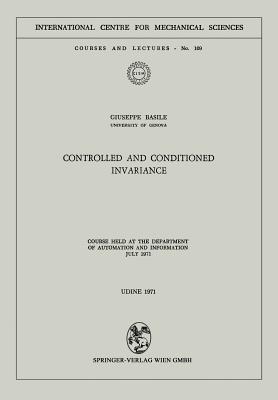
Controlled and Conditioned Invariance: Course Held at the Department of Automation and Information July 1971
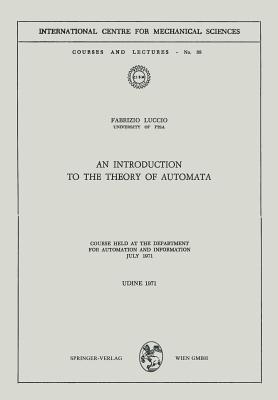
An Introduction to the Theory of Automata: Course Held at the Department for Automation and Information July 1971

Mathematical Foundations of Computer Science 1978: 7th Symposium Zakopane, Poland, September 4-8, 1978. Proceedings
Encyclopedia of Computer Science and Technology, Volume 9: Generative Epistemology of Problem Solving to Laplace and Geometric Transforms

Revised Report on the Algorithmic Language ALGOL 68
Mathematical Foundations of Computer Science 1974: 3rd Symposium at Jadwisin Near Warsaw, June 17 - 22, 1974

Gi-Bifoa Internationale Fachtagung: Informationszentren in Wirtschaft Und Verwaltung: Gesellschaft Für Informatik E.V., Fachausschuß 8 Methoden Der In
GI - 3. Fachtagung Über Programmiersprachen: Gesellschaft Für Informatik E.V., Kiel, 5.-7. März 1974
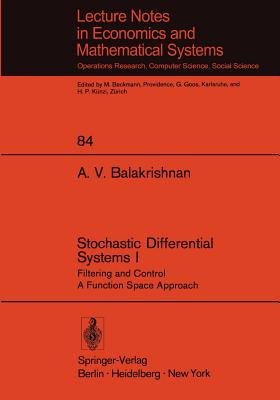
Stochastic Differential Systems I: Filtering and Control a Function Space Approach

Analytical Decision Making and Data Envelopment Analysis: Advances and Challenges

Technology is Dead: The Path to a More Human Future

Technology is Dead: The Path to a More Human Future


Procurement Analytics: Data-Driven Decision-Making in Procurement and Supply Management

Programming-Based Formal Languages and Automata Theory: Design, Implement, Validate, and Prove

Methods and Applications of Autonomous Experimentation


Programs as Diagrams: From Categorical Computability to Computable Categories


Computational Intelligence: A Methodological Introduction


Graph Neural Networks: Foundations, Frontiers, and Applications


Biomedical Informatics: Computer Applications in Health Care and Biomedicine


Applications of Cloud Computing: Approaches and Practices


