Comedy TV series bring laughter, sharp wit, and feel-good moments to every episode. Explore comedy series to discover clever writing, memorable characters, and lighthearted stories that brighten your day and keep you coming back for more.
Why We Love Comedy Shows
Comedy TV connects people like few genres can. It breaks tension, brightens days, and sometimes even helps us understand the world a little better. Fans love comedy series because they:
-
Provide comfort, positivity, and escape
-
Use humor to explore real-life challenges and relationships
-
Feature memorable characters we grow to love like friends
-
Deliver rewatchable joy that never loses its charm
Whether silly, clever, or heartfelt, comedy television helps us laugh our way through life’s ups and downs.
The Evolution of Television Comedy
The Classic Era (1950s–1980s)
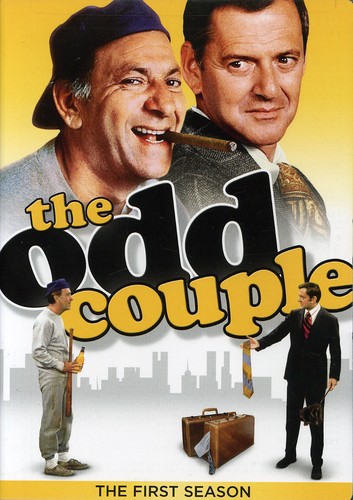
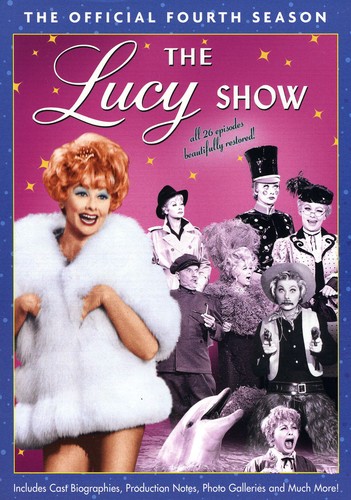
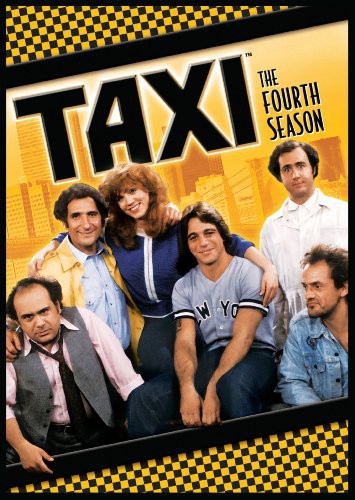
Early television comedy introduced beloved formats and enduring characters. Series like I Love Lucy, MASH*, and Cheers shaped sitcom history — blending slapstick, charm, and warmth in front of live audiences.
The Modern Sitcom Revolution (1990s–2010s)
The ‘90s and early 2000s brought sharper humor and cultural commentary through hits like Friends, Seinfeld, Frasier, and The Office. These shows focused on relationships, work, and the hilarity of ordinary life.
The Streaming Age (2010s–Present)
Comedy evolved once again, embracing creative freedom and diverse voices. Modern gems like Brooklyn Nine-Nine, Ted Lasso, and Fleabag combine humor with humanity — balancing laughs with emotional resonance.
Subgenres of Comedy Television
No matter the tone, comedy is about truth — finding light in life’s imperfections.
What Makes Great Comedy Work
-
Timing & Chemistry: The right delivery turns good jokes into unforgettable moments.
-
Relatability: The funniest stories often come from everyday situations.
-
Heart & Humanity: The best comedies balance humor with emotional depth.
-
Creativity: Clever writing and risk-taking make modern comedies stand out.
Laughter lands best when it’s honest — and when it feels like it’s laughing with us, not at us.
Our Picks – Must-Watch Comedy TV Series
The Office (US)
A workplace full of chaos, charm, and heart — a modern classic of awkward humor and human connection.
Parks and Recreation
Optimism, friendship, and absurd bureaucracy — proof that kindness can be hilarious.
Friends
Timeless humor and unforgettable chemistry — six friends, countless laughs.
Fleabag
Bold, brutally honest, and brilliantly written — a masterpiece of dark humor and emotional truth.
Ted Lasso
A perfect blend of heart and humor — an uplifting story about positivity, empathy, and leadership.
Brooklyn Nine-Nine
A clever mix of action and laughs — crime-fighting has never been this fun or heartwarming.
Summary
Comedy TV series remind us to laugh at life, love, and ourselves. They:
-
Bring joy and connection through humor and warmth
-
Reflect everyday realities in funny, relatable ways
-
Balance entertainment with heart and sincerity
-
Continue to evolve through new voices and modern storytelling
From witty one-liners to heartfelt moments, browse Comedy titles that prove laughter never goes out of style — it just keeps finding new ways to bring us together.
FAQs
What makes a comedy TV series great?
Memorable characters, sharp writing, and emotional balance — humor that feels real and stays rewatchable.
Why do people rewatch comedies so often?
Because comfort, familiarity, and laughter never lose their charm — comedy helps us unwind and reset.
Are modern comedies different from classic ones?
Yes. Modern comedies often blend humor with deeper themes like identity, mental health, and belonging.
What’s the difference between sitcoms and comedy dramas?
Sitcoms focus on situational humor and short arcs, while comedy dramas (dramedies) explore emotional stories with wit.
Which comedy shows should I start with?
Try The Office or Parks and Recreation for workplace humor, Fleabag for smart modern writing, or Friends for timeless charm.