1970s movies marked a powerful shift in cinema, embracing bold themes, fresh voices, and groundbreaking styles. Explore 1970s movies to discover influential classics, visionary directors, and unforgettable stories that transformed filmmaking and defined a new era.
A New Kind of Filmmaking
The studio system was fading, and a new generation of filmmakers — the “New Hollywood” — emerged. They told personal, provocative stories with authenticity and edge.
The result? Movies that felt alive, unpredictable, and often unsettling. The heroes weren’t perfect, the endings weren’t neat, and audiences couldn’t look away.
This was the decade when film became reflection — of society, rebellion, and human complexity.
The Defining Spirit of 1970s Cinema
-
Realism Over Glamour: Stories rooted in grit and truth (Taxi Driver, The Deer Hunter).
-
Auteur Filmmaking: Directors as visionaries — Scorsese, Coppola, Kubrick, Spielberg.
-
Cultural Revolution: Films mirrored social unrest, freedom, and counterculture ideals.
-
Birth of the Blockbuster: Jaws and Star Wars changed entertainment forever.
-
Psychological Depth: Complex characters replaced archetypes, emotion replaced fantasy.
The ‘70s were cinema’s great awakening — where art met truth and never looked back.
The Look and Mood of the 1970s
Visually, the 1970s were raw, textured, and alive with experimentation. Filmmakers used grain, shadow, and handheld cameras to make audiences feel like participants, not observers.
Every frame reflected the tension of its time — political change, war, and shifting values — yet the emotion and storytelling remain timeless.
From neon-lit cityscapes to desert landscapes, the era was a showcase of unfiltered vision.
Our Picks – Defining Movies of the 1970s
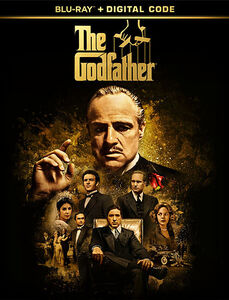
The Godfather (1972)
A monumental saga of family, loyalty, and corruption — both epic and intimate in equal measure.
Taxi Driver (1976)
A dark, haunting descent into isolation and obsession — Scorsese’s masterpiece of psychological realism.
Star Wars (1977)
The film that reinvented imagination — blending mythology, adventure, and innovation into cinematic history.
Jaws (1975)
The first true summer blockbuster — suspense, terror, and storytelling precision.
One Flew Over the Cuckoo’s Nest (1975)
A rebellion against conformity — both heartbreaking and liberating.
Apocalypse Now (1979)
A hypnotic, hallucinatory journey into the madness of war — as ambitious as cinema gets.
Rocky (1976)
An underdog story for the ages — raw, emotional, and endlessly inspiring.
Summary
1970s movies changed everything — breaking rules, challenging audiences, and setting the standard for all that followed. They:
-
Introduced realism, risk, and moral depth to mainstream cinema
-
Gave birth to iconic filmmakers and genres that still define Hollywood
-
Balanced social commentary with unforgettable storytelling
-
Proved that truth could be just as captivating as fantasy
Step back into the decade that made modern cinema possible — browse our 1970s movie collection and bring home the stories that shaped generations of film lovers.
FAQs
Why is the 1970s called the golden age of modern film?
Because it marked a creative revolution — directors gained artistic freedom, and storytelling became more personal, political, and psychological.
Which 1970s movies defined the decade?
The Godfather, Taxi Driver, Star Wars, and Apocalypse Now stand as the era’s cinematic landmarks.
How did audiences respond to darker themes in the ‘70s?
Viewers embraced realism and imperfection — finding authenticity more compelling than escapism.
What new genres emerged during this time?
Psychological thrillers, crime dramas, and socially conscious storytelling became dominant — alongside the rise of the blockbuster.
How did technology evolve in 1970s filmmaking?
Advances in sound design, camera mobility, and special effects paved the way for modern filmmaking techniques.