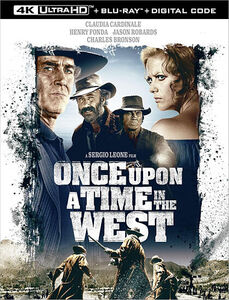
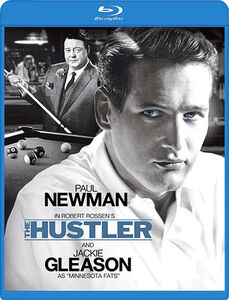
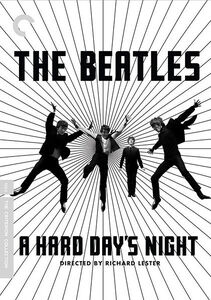
1960s movies captured a decade of cultural change through innovative storytelling, bold genres, and unforgettable performances. Explore 1960s movies to discover influential classics, stylish favorites, and defining films that shaped modern cinema and reflected a transformative era.
Cinema in Transition
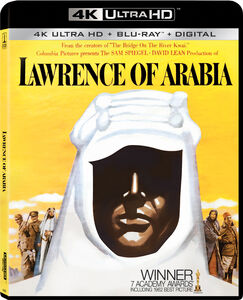
The 1960s began with grandeur and ended with revolution. Studios still produced lavish spectacles like Lawrence of Arabia and Cleopatra, but independent filmmakers and new global voices were changing the rules.
Movies became more personal, political, and provocative — mirroring the social and cultural upheaval of the time.
From France’s New Wave to America’s shifting moral codes, the decade became a canvas for artistic freedom.
The Defining Spirit of the 1960s
-
From Studio to Auteur: Directors emerged as creative leaders — Kubrick, Godard, Antonioni, Hitchcock.
-
Cultural Revolution: Films explored sexuality, war, and rebellion (Bonnie and Clyde, Easy Rider).
-
Visual Grandeur: Cinemascope epics and vivid color redefined the moviegoing experience.
-
Social Realism: New voices brought class and political struggle to the screen (Kes, Midnight Cowboy).
-
International Expansion: European, Japanese, and British cinema gained global acclaim.
The ’60s didn’t just reflect change — it was change, projected on the silver screen.
A New Kind of Storytelling
Filmmakers in the 1960s abandoned formula and embraced ambiguity. Heroes became antiheroes, endings turned tragic, and dialogue carried political weight. The camera became a voice — experimenting with movement, rhythm, and realism.
This was the decade that gave us some of the most visually daring and emotionally complex films ever made.
Our Picks – Essential Movies of the 1960s
Lawrence of Arabia (1962)
A visual masterpiece of ambition and isolation — a film that defined epic cinema.
Psycho (1960)
Alfred Hitchcock’s shocking reinvention of horror — suspense, psychology, and pure cinematic craft.
The Graduate (1967)
A generational coming-of-age classic — witty, disillusioned, and unforgettable.
2001: A Space Odyssey (1968)
Kubrick’s visionary odyssey into time, evolution, and the unknown — both science and philosophy in motion.
Bonnie and Clyde (1967)
Stylish, violent, and rebellious — the film that shattered Hollywood’s old rules.
West Side Story (1961)
Vibrant, tragic, and timeless — a musical that turned love and conflict into poetry.
Dr. Strangelove (1964)
Dark humor meets nuclear paranoia — satire at its sharpest and smartest.
Summary
1960s movies reshaped cinema from the ground up — challenging the establishment, expanding global influence, and blending art with provocation. They:
-
Turned film into a tool for social and creative expression
-
Balanced beauty, rebellion, and emotional truth
-
Gave rise to modern directors and international storytelling
-
Blurred the line between entertainment and art
Step into a decade of bold ideas and iconic storytelling — browse our 1960s movie collection and rediscover the films that revolutionized what cinema could be.
FAQs
Why are 1960s films considered revolutionary?
They broke old studio rules — focusing on realism, politics, and personal vision instead of formula and fantasy.
Which 1960s movies defined the era?
Lawrence of Arabia, The Graduate, and 2001: A Space Odyssey are among the most influential works of the decade.
How did international cinema shape the 1960s?
Movements like the French New Wave and British New Cinema inspired filmmakers worldwide to experiment with narrative and style.
What genres dominated the 1960s?
Epic adventure, political drama, musical romance, and psychological thrillers captured audiences across generations.
How did technology evolve during this time?
Widescreen formats, color cinematography, and bold editing styles gave filmmakers new ways to create emotional impact.